


Mapping Language Recovery Patterns in Aphasia Following Stroke
Approximately one-third of stroke survivors in Australia experience aphasia, a language disorder that disrupts speaking, comprehension, reading, and writing. The condition arises when blood flow to the dominant cerebral hemisphere is compromised, most often through occlusion of the left middle cerebral artery.
Recovery rarely follows a single trajectory. It reflects the interplay between lesion characteristics, neurobiological repair, therapy intensity, and the social environment surrounding the person. Across Australian rehabilitation units, multidisciplinary teams treat aphasia recovery as a long-term, evolving process rather than a fixed outcome measured at hospital discharge.
Neurobiological Foundations of Language Restoration
Two overlapping mechanisms drive recovery from post-stroke aphasia: repair of damaged neural tissue through neuroplasticity and recruitment of alternative networks. In the early days after stroke, resolution of oedema and re-establishment of perfusion around the ischaemic penumbra can restore partially compromised neurons. Over subsequent weeks, synaptic reorganisation becomes the dominant driver, with perilesional tissue in the left hemisphere often taking on roles formerly held by damaged cortex.
Functional imaging studies conducted at centres such as Neuroscience Research Australia (NeuRA) in Randwick show that lasting recovery generally correlates with reintegration of left-hemisphere language networks rather than exclusive reliance on right-sided activation. This finding encourages clinicians to design tasks that engage residual left-hemisphere capacity wherever possible.
Recognising Patterns Across Aphasia Subtypes
Speech pathologists in Australian hospitals routinely classify post-stroke aphasia using the Boston or Western Aphasia Battery frameworks. Global aphasia, characterised by profound impairment across all language modalities, often appears immediately after a large left-hemisphere stroke. Over the first three to six months, many individuals evolve toward Broca's, anomic, or conduction profiles as different facets of language recover at different rates.
Wernicke's aphasia, marked by fluent but empty speech and impaired comprehension, tends to follow a different arc, with comprehension improving faster than word retrieval. Anomia, the persistent difficulty finding words, remains the most common residual complaint regardless of initial subtype. Bilingual Australians, particularly those speaking Mandarin, Cantonese, Italian, or Greek alongside English, may show dissociated recovery patterns depending on age of acquisition, prompting clinicians at places like Liverpool Hospital to assess each language separately.
The Timeline of Spontaneous and Therapy-Driven Gains
The most rapid spontaneous recovery occurs within the first two to eight weeks after stroke, when neurobiological repair is at its peak. Gains between three and twelve months reflect a combination of continued biological recovery and the cumulative effect of speech therapy. Beyond twelve months, improvement tends to slow, though many people continue to make meaningful gains for years, especially when therapy intensity is maintained or self-directed practice is consistent.
Australian clinicians reference the AusTOMs framework when tracking progress, a tool familiar to allied health teams across metropolitan and regional settings. Telehealth coordinated through services such as the Australian Aphasia Association has expanded access in the bush, where travelling to a specialist therapist in Perth, Adelaide, or Brisbane can mean a round trip of several hundred kilometres.
Contemporary Approaches to Aphasia Rehabilitation
Evidence supports high-intensity, repetitive, task-oriented therapy delivered soon after stroke. Constraint-induced aphasia therapy, melodic intonation therapy, and word-finding drills anchored to personally relevant vocabulary all carry varying levels of supporting data. Group programs, such as the Living with Aphasia sessions run through Australian universities, complement individual sessions by offering conversation practice, identity reinforcement, and peer support.
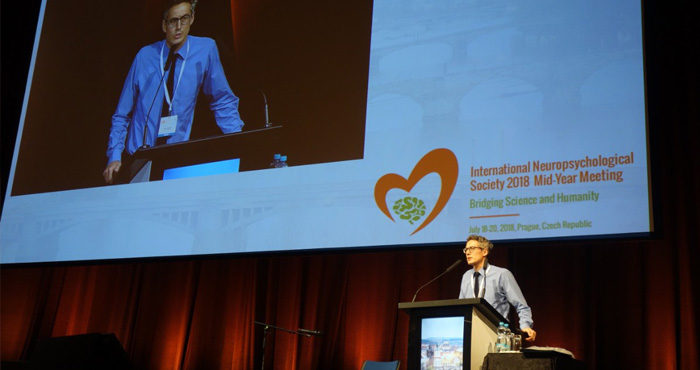
Many clinicians stay current by attending international meetings where the latest trial results are shared. Colleagues planning to travel to the Prague mid-year meeting in July can review the programme and complete their conference registration before locking in flights.
Measuring Recovery Beyond the Clinic Walls
Traditional aphasia assessments capture performance in a structured setting, yet real-world communication tells a more nuanced story. Clinicians increasingly turn to wearable devices and ecological momentary assessment to gather data on how people with aphasia manage conversations, phone calls, and community interactions throughout an ordinary arvo in their local neighbourhood. Heart rate sensors, GPS-equipped phones, and repeated brief digital tasks all provide streams of information that complement conventional testing.
A review examined how wearable sensors can capture real-world cognition in neurological populations, highlighting both the promise and the methodological challenges of integrating this data into clinical reasoning. For aphasia, where effortful speech and social withdrawal can mask improvements seen in formal testing, this approach offers a more authentic window onto recovery.
Australian Pathways for Long-Term Support
Recovery continues long after inpatient rehabilitation ends, and Australian services recognise this through structured community-based pathways. The National Disability Insurance Scheme funds ongoing speech pathology for eligible participants, while Medicare arrangements support sessions with allied health professionals in private practice. Peer-led groups and aphasia programs in Melbourne, Launceston, and on the Gold Coast provide ongoing opportunities for communication practice in social settings.
Family education remains essential, since communication partners shape recovery as much as clinicians do. Speech Pathology Australia offers resources for partners, children, and colleagues, helping them learn supportive conversation techniques such as allowing extra time, using written keywords, and confirming understanding through paraphrasing. With coordinated clinical care, community engagement, and emerging technologies, language recovery after stroke can unfold meaningfully across the lifespan.
General Information
Important information about the meetingIndustry
Support and exhibition opportunitiesCzech Republic
Beautiful country situated in the very heart of EuropeContact
How can we help you?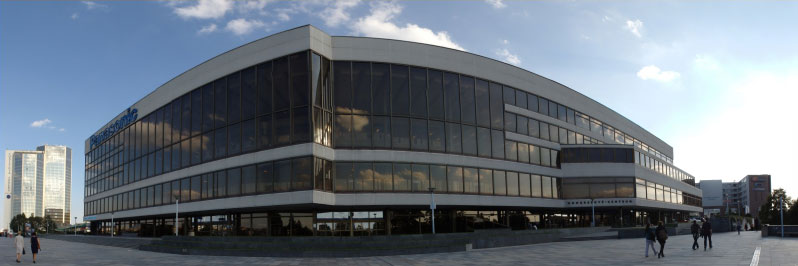
Prague Congress Centre (KCP)
5.května 65140 21 Prague 4
Czech Republic
Phone: +420 261 171 111
Website: www.kcp.cz