



Using Wearable Sensors to Assess Real-World Cognitive Performance
Cognitive ability is often measured in a quiet clinic, with standardised instructions and few distractions. Everyday life is different. People make decisions while commuting, shopping, preparing meals, managing medication and responding to unexpected events. Wearable sensors can help researchers observe how cognition operates within these changing conditions.
Smartwatches, activity bands, smartphones and lightweight physiological monitors can capture movement, sleep, heart rate, location and patterns of daily interaction. These signals do not measure memory or attention directly, yet they can reveal changes associated with mental fatigue, executive dysfunction, slowed processing or reduced independence.
For neuropsychologists, the value lies in combining sensor data with established assessments. A brief laboratory task may show whether someone can sustain attention, while passively collected information can indicate whether that ability transfers to a busy Sydney train journey or a demanding workday in Melbourne.
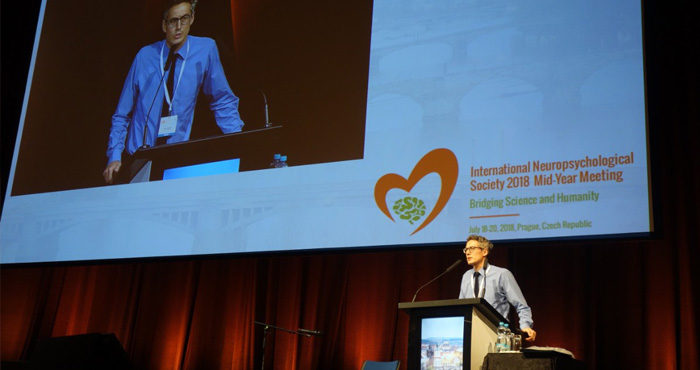
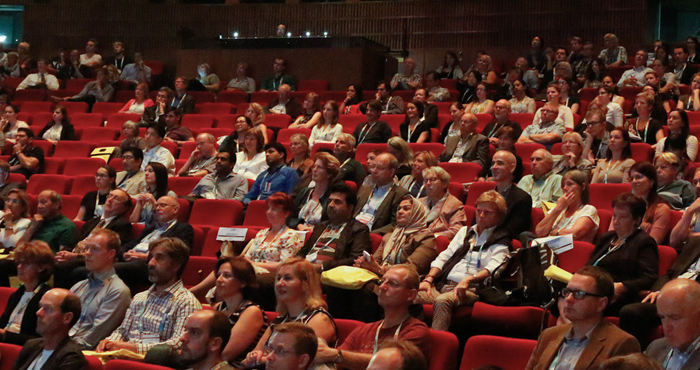
This approach reflects the wider aims of the International Neuropsychological Society meeting held in Prague from July 18–20, 2018. Its emphasis on neuroscience, clinical practice, cultural context and humane care remains relevant as digital measurement enters homes, hospitals and community services.
From Laboratory Tasks To Daily Behaviour
Traditional neuropsychological tests provide controlled and comparable results. They are essential for identifying patterns of impairment, but a single appointment may not represent performance across a full week. Wearable technology adds ecological validity by recording behaviour in familiar settings and at multiple time points.
Researchers may examine walking variability, sleep regularity, response speed on a phone task or changes in activity after a cognitively demanding event. These measures can complement tests of memory, attention and executive function rather than replace them.
What Wearable Sensors Can Measure
Accelerometers and gyroscopes can identify gait changes, pauses and fine-motor instability. Heart-rate and skin-conductance sensors may provide information about arousal during stressful or complex situations. GPS and smartphone interaction data can describe routines, navigation and community participation, provided collection is transparent and proportionate.
A person with early neurological disease might perform adequately during a consultation yet become slower, less active or more disorganised later in the day. Repeated digital observations can help distinguish a stable limitation from fluctuations linked to sleep, medication timing or environmental demands.
Designing Studies For Australian Conditions
Australian researchers must account for long travel distances, regional access and substantial differences between metropolitan and rural communities. A participant in Brisbane may walk outdoors year-round, while someone in Hobart may show different activity patterns during colder months. Heat, humidity and bushfire smoke can also affect movement and sleep data.
Local routines matter too. A wearable study should consider school-hour traffic, weekend sport, shift work and the social habits surrounding a backyard barbecue. Devices need reliable battery life, clear instructions and affordable support, especially when participants live far from major centres or have limited digital confidence.
Clinical Value And Personalised Monitoring
Real-world cognitive monitoring may help clinicians track recovery after concussion, observe functional change in dementia or evaluate the effects of Parkinson’s disease treatment. It can also support rehabilitation by showing whether strategies used in a clinic are applied at home, work or in the community.
Interpretation must remain clinically grounded. Reduced movement could reflect depression, pain, unsafe weather or transport limitations rather than cognitive decline. In Parkinson’s research, cognitive and sensory systems may interact in complex ways; related background reading on olfactory neuropsychology illustrates why a single sensor stream cannot explain the whole patient experience.
Privacy, Consent And Data Ownership
Sensor data can reveal intimate details, including sleep times, frequent locations and periods of inactivity. Participants should know exactly what is collected, how long it is retained and who can access it. Consent should be revisited when a project expands from research into clinical care or commercial development.
The Australian market includes global smartwatch brands, local digital-health providers and devices sold through pharmacies and direct-to-consumer channels. Researchers need to check data storage arrangements, subscription costs and compatibility with Australian privacy obligations rather than assuming that a popular device is suitable for every participant.
Making Measurements Clinically Meaningful
A strong protocol begins with a clear clinical question. If the goal is to assess divided attention, a study might pair a phone-based task with movement and heart-rate data during a normal commute. If the focus is independence, researchers could examine navigation, medication routines and changes in daily activity.
Algorithms should be tested against clinical ratings and meaningful outcomes, such as return to work or safe community participation. Large datasets do not automatically produce accurate interpretations. Calibration across age, language, culture, disability and device type is necessary to reduce misleading results.
Connecting Science With Humane Care
Participants are more likely to engage when technology is comfortable, understandable and useful to them. A person should be able to pause monitoring, ask for technical assistance and receive an explanation of relevant findings. The goal is to support autonomy rather than turn daily life into a continuous examination.
Conference logistics can influence participation as much as research design. Clear travel and accommodation information, such as the Prague hotel options, helps delegates exchange ideas across disciplines. The same principle applies to sensor studies: practical support allows sophisticated neuroscience to remain connected to real people and their everyday lives.
General Information
Important information about the meetingIndustry
Support and exhibition opportunitiesCzech Republic
Beautiful country situated in the very heart of EuropeContact
How can we help you?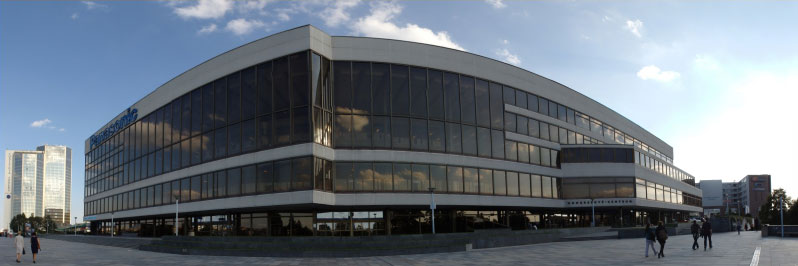
Prague Congress Centre (KCP)
5.května 65140 21 Prague 4
Czech Republic
Phone: +420 261 171 111
Website: www.kcp.cz