




The Neuropsychology of Olfactory Function in Parkinson’s Disease
Loss of smell is often treated as a minor sensory complaint, yet it can be an early and clinically meaningful feature of Parkinson’s disease. The neuropsychology of olfactory function in Parkinson’s Disease connects smell identification, memory, attention, mood and everyday safety, giving clinicians a broader view of how the condition affects a person.
For Australian practitioners, this perspective is especially useful across movement-disorder clinics, community neurology services and private neuropsychology practices. A patient in Sydney, Melbourne or regional Queensland may describe the problem plainly: “Food tastes like cardboard,” or “I can’t smell the gas anymore.” Those comments can open a structured assessment rather than being dismissed as an ordinary part of ageing.
Why smell loss matters clinically
Reduced olfactory ability, known as hyposmia, may occur before the familiar motor signs of Parkinson’s disease. Difficulty detecting, discriminating or identifying odours can reflect changes in olfactory pathways and wider neural networks involved in reward, memory and decision-making.
Smell testing cannot diagnose Parkinson’s disease on its own. Allergic rhinitis, chronic sinus disease, smoking, head injury, medication effects and respiratory infections may produce similar complaints. Its value increases when findings are interpreted alongside motor symptoms, sleep disturbances, autonomic changes and cognitive performance.
The cognitive systems behind odour
Odour identification requires more than an intact nose. A person must notice a stimulus, maintain it briefly, access stored knowledge and select a verbal label. These steps draw on attention, working memory, semantic knowledge and executive control, which may become less efficient in Parkinson’s disease.
This is why a patient may detect coffee or eucalyptus but struggle to name it. Neuropsychological testing can distinguish a basic sensory reduction from a broader problem with retrieval or recognition. In Australia, familiar local odours such as tea tree, lemon myrtle or Vegemite can make assessment more culturally and personally relevant, provided the task is standardised carefully.
Links with memory and executive change
Olfactory impairment has been associated with cognitive decline and may be more pronounced in people who later develop dementia with Lewy bodies or Parkinson’s disease dementia. Poor performance can signal the need for closer monitoring, although it should never be treated as a certain forecast for an individual.
Executive difficulties may also affect how people respond to smell tests. They may rush, perseverate, misunderstand forced-choice options or become frustrated by unfamiliar odours. Recording response style, effort and error patterns gives the neurologist more useful information than a single total score.
Mood, motivation and quality of life
Smell contributes to appetite, emotional memory and social experience. When odours fade, meals may become less enjoyable and a person may lose interest in cooking or eating. Depression can further reduce motivation and alter the way sensory complaints are reported.
Clinicians should ask about weight change, food enjoyment, household routines and social participation. A person who no longer notices flowers in a Brisbane garden, weekend barbecues or the aroma of a curry may be experiencing a real reduction in quality of life, even when standard cognitive scores look relatively stable.
Safety and everyday independence
Olfactory loss creates practical risks. Smoke, spoiled food, leaking gas and chemical fumes may go unnoticed. Australian homes commonly use electric appliances, gas cooking or outdoor barbecues, so risk planning should be tailored to the household rather than delivered as generic advice.
Useful compensatory strategies include functioning smoke alarms, checking food dates, involving a family member in gas safety and using visual or tactile cues. For someone living alone in a regional town, telehealth follow-up may help maintain support between specialist appointments, while local occupational therapists can assess the home environment.
Cultural and clinical interpretation
Odour familiarity is shaped by language, migration history, diet and community. An assessment developed elsewhere may contain items that are unfamiliar to Aboriginal and Torres Strait Islander Australians, people from multicultural communities or patients whose everyday foods differ from the test sample. Clinicians should document cultural and linguistic factors rather than assuming that an incorrect answer reflects impaired cognition.
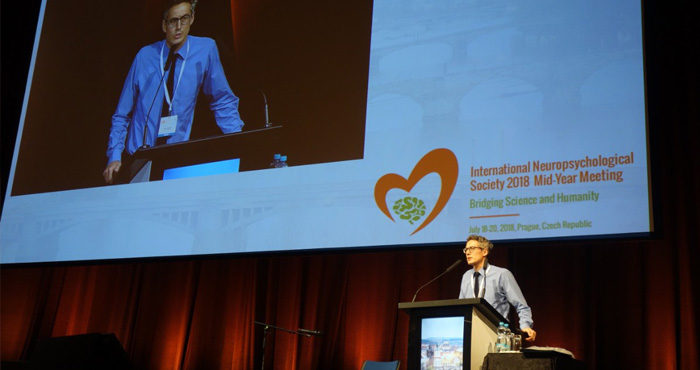
The wider setting can influence engagement as well. Conference delegates considering how science meets humane care could explore Prague’s historic venues, a reminder that clinical knowledge is always exchanged within cultural places and human relationships. That principle applies equally in Australian services, from an urban hospital to a small outreach clinic.
Building a useful assessment pathway
A practical pathway combines a brief olfactory history, validated smell testing, neurological examination and targeted neuropsychological measures. Attention, verbal learning, executive function, mood and activities of daily living should be considered together, with repeat assessment when symptoms or functioning change.
Australian services also need to account for access and cost. Public waiting lists, private fees, travel from outer suburbs and long distances between regional communities can delay assessment. Clear referral letters and shared-care communication between GPs, neurologists, psychologists and allied health professionals make the process more efficient.
Practical priorities for Australian services
Clinicians can make smell complaints more clinically useful by treating them as part of a broader functional profile:
- Ask when the change began and whether it followed infection, injury, medication changes or sinus problems.
- Pair smell findings with cognitive, mood, sleep and motor assessments.
- Check household safety, nutrition and changes in cooking or social routines.
- Use culturally familiar examples while preserving the validity of standardised measures.
- Explain that olfactory impairment is informative, but cannot independently confirm a Parkinson’s diagnosis.
A careful approach respects the science while keeping the patient’s daily life at the centre. Smell may be invisible to other people, but its loss can reveal important changes in cognition, wellbeing and independence.
General Information
Important information about the meetingIndustry
Support and exhibition opportunitiesCzech Republic
Beautiful country situated in the very heart of EuropeContact
How can we help you?
Prague Congress Centre (KCP)
5.května 65140 21 Prague 4
Czech Republic
Phone: +420 261 171 111
Website: www.kcp.cz