




Assessing Visual Perception in Posterior Cortical Atrophy
Posterior cortical atrophy (PCA) is a neurodegenerative syndrome in which visual processing becomes impaired even when routine eye examinations may appear relatively normal. The pattern often begins with difficulty interpreting objects, space, motion or written information, then affects everyday activities such as reading, dressing, cooking and navigating familiar environments.
A careful assessment of visual perception helps distinguish PCA from ocular disease, typical amnestic Alzheimer’s disease, dementia with Lewy bodies, stroke and other neurological conditions. For Australian clinicians, the process also needs to reflect cultural background, driving expectations, Medicare pathways, private neuropsychology services and the practical realities of care across metropolitan and regional communities.
Recognising the Early Visual Pattern
People with PCA may report blurred or confusing vision, although visual acuity does not fully explain their difficulties. Common features include simultanagnosia, impaired visual search, crowding, object agnosia, face-recognition problems, spatial disorientation and trouble judging depth. Reading may become slow because letters are difficult to locate or arrange, rather than because language comprehension has initially declined.
The history should examine when symptoms occur and what makes them worse. Supermarkets, busy railway stations in Sydney or Melbourne, patterned flooring and crowded rooms can expose visual crowding and poor figure-ground discrimination. Asking a patient to describe a familiar route, identify household objects or copy a simple design can reveal functional problems that a standard eye test misses.
Building a Multimodal Examination
Assessment should combine neurological examination, ophthalmology or optometry review, cognitive testing and targeted neuropsychological measures. Visual acuity, contrast sensitivity, colour vision, ocular motility and visual fields help identify treatable eye conditions. Neuropsychological testing can then explore visuospatial construction, perception of form, visual memory, attention, executive control and language.
The clinician should interpret scores alongside behaviour. A patient may perform poorly on a complex figure because of spatial analysis difficulties, motor planning problems or an inability to organise the page. Tests that minimise verbal and motor demands are useful, especially when English is not the person’s first language. Culturally appropriate examples and an interpreter can prevent language familiarity from being mistaken for perceptual impairment.
Separating PCA From Similar Conditions
PCA may overlap with Alzheimer’s pathology, Lewy body disease, corticobasal degeneration or less common posterior brain disorders. MRI can show posterior parietal or occipital changes, while functional imaging and biomarker studies may support the suspected disease process. Clinical reasoning remains essential because imaging findings must match the person’s symptoms and progression.
A history of head injury can complicate interpretation. Persistent visual discomfort, slowed processing and concentration problems after concussion may resemble early cognitive decline, so clinicians should review the timing, recovery pattern and neurological context; research presented in post-concussion findings provides useful background for this differential assessment. Progressive deterioration over months or years points towards a neurodegenerative process rather than an isolated post-concussion syndrome.
Translating Findings Into Daily Support
Neuropsychological results should be explained in functional terms. A person with impaired visual search may need uncluttered worktops, high-contrast labels and one item presented at a time. Someone with visuospatial disorientation may benefit from consistent furniture placement, stronger lighting, contrasting stair edges and simplified routes through the home.
Australian services must account for distance and access. A patient in regional Queensland, Western Australia or Tasmania may need telehealth review, coordinated local occupational therapy and fewer but better-timed specialist appointments. In metropolitan Brisbane, Perth or Adelaide, transport planning may focus on bus interchanges and unfamiliar shopping centres. Driving advice should follow Australian state or territory licensing requirements and be documented clearly.
Practical Assessment Checklist
A structured interview helps connect test performance with safety and participation. Clinicians should record examples from home, employment, study, shopping and community travel rather than relying on a single overall cognitive score.
Useful areas to document include:
- Reading, writing, face recognition and object identification
- Navigation in familiar and unfamiliar places
- Reaching, dressing, cooking and handling medication
- Visual triggers such as glare, crowds, patterns and low contrast
Support planning should include the person and their family or carers. In Australia, occupational therapy, low-vision services, dementia organisations, private clinics and public hospital teams may all contribute, while NDIS eligibility depends on individual circumstances and the nature of functional disability.
Practical recommendations can include:
- Brighter, even lighting with reduced glare
- High-contrast markings on steps, taps and switches
- Clear storage systems with tactile or written labels
- Supervision for driving, cooking and unfamiliar travel
Monitoring Change Over Time
PCA assessment is most useful when repeated at appropriate intervals. Serial testing can show whether visual perception, attention, memory or executive functions are changing at different rates. Alternate forms, consistent procedures and careful notation of fatigue help distinguish genuine decline from practice effects or fluctuating performance.
Follow-up should include real-world outcomes, not only test scores. Changes in falls, missed appointments, shopping errors, social withdrawal or dependence on family members may signal progression. Quiet public spaces and green settings can also reduce sensory overload during recovery and adjustment; Prague’s gardens and parks offer a relevant example of how calmer outdoor spaces may support orientation and wellbeing when planned safely.
General Information
Important information about the meetingIndustry
Support and exhibition opportunitiesCzech Republic
Beautiful country situated in the very heart of EuropeContact
How can we help you?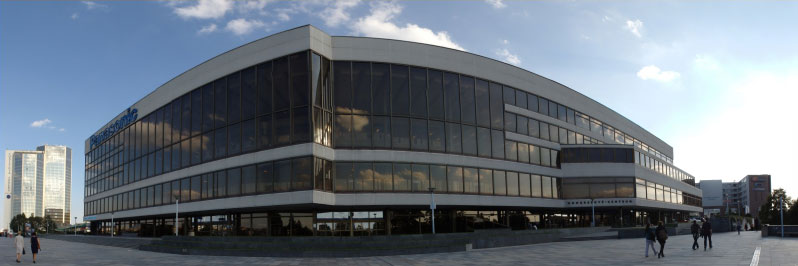
Prague Congress Centre (KCP)
5.května 65140 21 Prague 4
Czech Republic
Phone: +420 261 171 111
Website: www.kcp.cz