



Post-Concussion Syndrome: Latest Research Presented at INS 2018
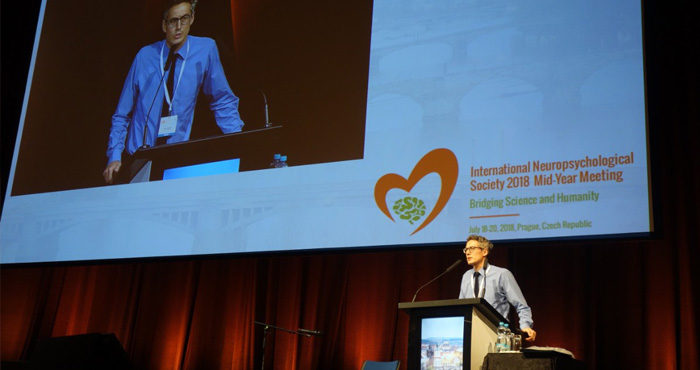
The International Neuropsychological Society mid-year meeting in Prague brought together research and clinical perspectives on recovery after mild traumatic brain injury. A central concern was how to understand patients whose symptoms continue well beyond the expected healing period.
Post-concussion syndrome remains a complex clinical picture rather than a single disease. Headache, dizziness, slowed thinking, sleep disruption, fatigue, anxiety, and sensitivity to light or noise may appear in different combinations, making diagnosis and treatment highly individual.
The research presented around this topic at INS 2018 reflected a broader shift in neuropsychology: clinicians were encouraged to connect neuroscience with humane care, cultural awareness, and practical rehabilitation. That approach remains valuable for patients whose symptoms are persistent, fluctuating, or difficult to measure.
Persistent Symptoms Require A Broader View
A mild head injury can produce a substantial functional burden even when conventional scans show no obvious structural damage. Conference discussions emphasized that symptom severity should not be dismissed simply because a patient appears well or has a normal neurological examination.
Post-concussion complaints often overlap with migraine, vestibular disorders, depression, anxiety, sleep problems, and pre-existing pain. A careful history therefore matters as much as a brief cognitive screen. Clinicians need to examine symptom timing, previous injuries, medication use, work demands, and changes in everyday functioning.
Cognitive Testing Needs Clinical Context
Neuropsychological assessment can identify weaknesses in attention, processing speed, memory, and executive functioning. However, test scores are most useful when interpreted alongside education, language, cultural background, effort, fatigue, and the patient’s baseline abilities.
Research discussed at the meeting also supported repeated assessment when recovery is prolonged. A single evaluation may capture the effects of headache, poor sleep, or emotional distress on one particular day. Tracking change over time can distinguish gradual recovery from a stable impairment or a pattern requiring referral to another specialist.
Brain Science And Patient Experience
Advances in functional imaging, electrophysiology, and other biomarkers offered promising ways to study concussion-related changes. These methods may reveal altered networks or physiological responses that are invisible on routine imaging, yet they were not presented as stand-alone diagnostic solutions.
The practical message was more measured. Brain-based findings should complement clinical judgment rather than replace it. A patient’s report of difficulty returning to work, managing family responsibilities, or tolerating busy environments remains essential evidence when planning care.
| Research focus | Potential clinical value | Important limitation |
|---|---|---|
| Cognitive performance | Identifies attention, memory, and processing-speed difficulties | Results are influenced by fatigue, mood, language, and baseline ability |
| Vestibular and balance testing | Clarifies dizziness and motion sensitivity | Symptoms may have several overlapping causes |
| Functional neuroimaging | Investigates changes in brain networks | Findings are not yet a universal diagnostic test |
| Symptom inventories | Tracks severity and recovery over time | Self-report requires thoughtful clinical interpretation |
| Rehabilitation outcomes | Measures practical improvement in daily life | Success depends on individualized goals and follow-up |
Rehabilitation Should Be Individualized
The emerging model favored active, tailored rehabilitation over prolonged inactivity. Depending on the symptom profile, treatment may include graded physical activity, vestibular therapy, cognitive strategies, sleep regulation, headache management, and psychological support.
This does not mean that every patient should follow the same exercise schedule or return-to-work plan. Progression needs to reflect symptom tolerance and real-world demands. Small, measurable goals can help patients regain confidence while allowing clinicians to adjust treatment when symptoms flare.
Culture Shapes Recovery And Care
Cultural expectations influence how people describe pain, fatigue, memory problems, and emotional distress. They can also affect access to specialists, family support, workplace accommodations, and rehabilitation services. These considerations were consistent with the meeting’s wider emphasis on culturally responsive neuropsychology.
The Prague setting reinforced the international character of the event. Attendees planning their visit could consult practical Prague meeting information, including local orientation and venue-related guidance. For concussion care, the broader lesson is that assessment tools and treatment advice should be adapted to language, health beliefs, and the patient’s social environment.
Translating Research Into Better Decisions
The most useful research does not simply identify a biological difference; it improves a decision. Clinicians need evidence that helps determine when to reassure, when to investigate dizziness or sleep disruption, and when to coordinate care across neurology, psychology, physiotherapy, and primary care.
Several principles support that translation:
- Combine symptom history, examination, and functional assessment rather than relying on one measure.
- Screen for sleep disturbance, migraine, mood symptoms, vestibular problems, and medication effects.
- Use graded return-to-school, work, exercise, and daily activity plans.
- Repeat assessment when symptoms persist or the patient’s functional demands change.
- Explain uncertainty clearly while validating the patient’s experience.
Research since the Prague meeting has continued to refine these ideas, but the central clinical challenge remains familiar: separating overlapping contributors without reducing the patient to a score. Recovery is best judged by meaningful improvements in participation, independence, and quality of life.
The INS 2018 perspective remains a useful reference for anyone studying prolonged concussion symptoms. Clinicians, researchers, and students can revisit the meeting’s scientific and practical themes to strengthen assessment, rehabilitation planning, and compassionate communication with people navigating a difficult recovery.
General Information
Important information about the meetingIndustry
Support and exhibition opportunitiesCzech Republic
Beautiful country situated in the very heart of EuropeContact
How can we help you?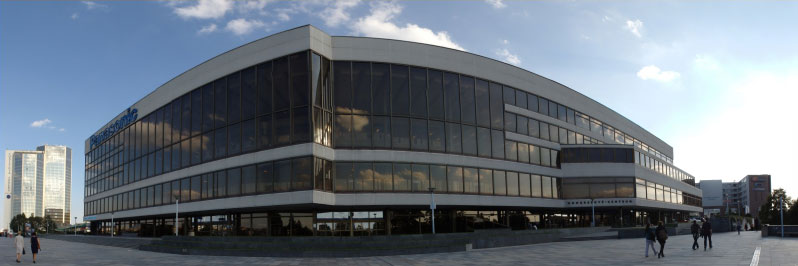
Prague Congress Centre (KCP)
5.května 65140 21 Prague 4
Czech Republic
Phone: +420 261 171 111
Website: www.kcp.cz