



Screening for Cognitive Problems in Primary Care: What Works
Cognitive impairment touches hundreds of thousands of Australian families, yet often goes unrecognised in its early stages when intervention matters most. General practitioners are usually the first clinician an older patient or worried family member turns to, whether in a suburban Sydney clinic, a Melbourne bulk-billing practice, or a remote Northern Territory service. With dementia now the leading cause of disability among Australians over 65, primary care is the natural place for systematic case finding.
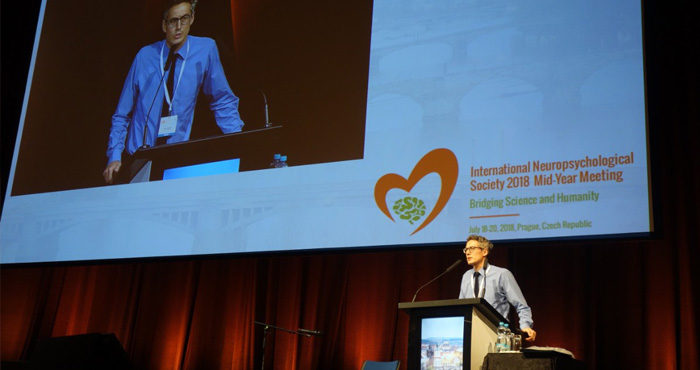
Australian GPs work within tight 15-minute consultations and serve communities that are culturally and linguistically diverse. Confidence with brief cognitive tools varies, and many practitioners feel unsure about next steps after a positive screen. This review summarises what the evidence says about screening approaches that work in real Australian practice, drawing on local guidelines and international research shared at meetings such as INS 2018 in Prague.
What follows covers the choice of validated instruments, adapting screening for diverse patients, fitting it into a realistic workflow, Medicare pathways that support it, and thresholds for referring to specialist services.
The scale of cognitive concerns in Australian primary care
Dementia prevalence rises sharply after 75, and Australian general practice carries much of the responsibility for early detection. Patients often present with vague memory complaints, a driving near-miss, or trouble managing medications. These signs are easy to attribute to normal ageing, busy lives, or depression.
Early identification opens the door to advanced care planning, driving assessment, family education, and treatment of reversible contributors such as polypharmacy, sleep apnoea, thyroid dysfunction, or vitamin B12 deficiency.
Choosing a brief cognitive tool for the consult
Several short instruments are validated for general practice. The GPCOG was developed in Australia and combines a patient component with a brief informant interview, suiting busy Brisbane or Perth clinics where collateral history matters. The Mini-Cog takes only a few minutes and works when no informant is available. The MoCA is more sensitive to mild impairment but requires more time. The MMSE remains widely used, though copyright restrictions and cultural ceiling effects complicate its application.
For most Australian GPs, the GPCOG or Mini-Cog strikes the best balance between brevity and accuracy within a standard appointment.
Adapting screening for cultural and linguistic diversity
In Melbourne and Sydney, patients may speak Mandarin, Vietnamese, Greek or Italian at home. In the Northern Territory and parts of Western Australia, Aboriginal and Torres Strait Islander patients require culturally safe assessment that respects kinship structures, the role of community elders, and historical mistrust of mainstream services.
Use professionally translated instructions where available, engage interpreters rather than family members, and be cautious about interpreting education- or literacy-dependent items. Telehealth has expanded access in rural and remote communities since recent reforms, but rapport still benefits from culturally appropriate face-to-face contact.
Building screening into realistic workflows
A 15-minute consult rarely allows spontaneous cognitive assessment. Successful clinics embed screening into routine cycles, using practice nurses to administer brief tools before the GP enters, or sending short questionnaires via SMS or the practice app. Electronic records prompt clinicians when patients over 75 have not been screened in the past year.
Medicare-funded health assessments for people aged 75 and over, and for Aboriginal and Torres Strait Islander patients from 55, create a natural opening for cognitive screening alongside blood pressure, medication review, and falls assessment.
Funding, training and system supports
Beyond the 75+ health assessment, the Medicare Benefits Schedule supports chronic disease management and mental health reviews that can incorporate cognitive screening. The Royal Australian College of General Practitioners publishes guidance on dementia diagnosis, and Dementia Australia provides patient and family resources. Primary Health Networks such as Brisbane North and Western Sydney run local education sessions for practice teams.
My Health Record allows screening results to be shared with specialists and hospitals, reducing duplication when patients move between providers.
Thresholds and pathways for specialist referral
Refer when the diagnosis is uncertain, when symptoms appear before 65, when there is rapid progression, or when behavioural and psychological symptoms dominate the picture. Public geriatric medicine and neurology services accept GP referrals, often expecting a structured summary including medication history and screening scores. Private neuropsychologists provide comprehensive profiling for capacity assessments. For younger patients with cognitive disability, the National Disability Insurance Scheme may fund ongoing support. Clinicians wanting to refine their referral letters and reports may find a report writing workshop useful for structuring feedback to GPs.
Learning from international collaboration
Australian practice benefits from cross-cultural research shared at meetings such as INS 2018 in Prague, where neuropsychologists and physicians compared screening protocols across health systems. Delegates travelling from Australia can find visa and passport guidance on the conference portal. Local journal clubs and university continuing professional development programs extend that international conversation into everyday clinical work.
| Tool | Typical time | Informant needed | Sensitivity to mild impairment |
|---|---|---|---|
| GPCOG | 4-6 minutes | Yes | Moderate |
| Mini-Cog | 3-5 minutes | No | Moderate |
| MoCA | 10-15 minutes | No | High |
| MMSE | 10 minutes | No | Moderate |
Putting it into practice
- Train practice nurses to administer the GPCOG or Mini-Cog before the GP enters the room.
- Schedule cognitive screening into the annual 75+ health assessment cycle.
- Build a local referral list covering geriatric medicine, neurology, and private neuropsychology.
- Keep translated instructions accessible within the practice software for common community languages.
General Information
Important information about the meetingIndustry
Support and exhibition opportunitiesCzech Republic
Beautiful country situated in the very heart of EuropeContact
How can we help you?
Prague Congress Centre (KCP)
5.května 65140 21 Prague 4
Czech Republic
Phone: +420 261 171 111
Website: www.kcp.cz