




Writing Neuropsychological Reports That Guide Patient Care
A neuropsychological report is more than a record of test scores. It is a clinical communication tool that translates complex cognitive, emotional, and behavioral findings into clear information for patients, families, physicians, educators, and rehabilitation teams.
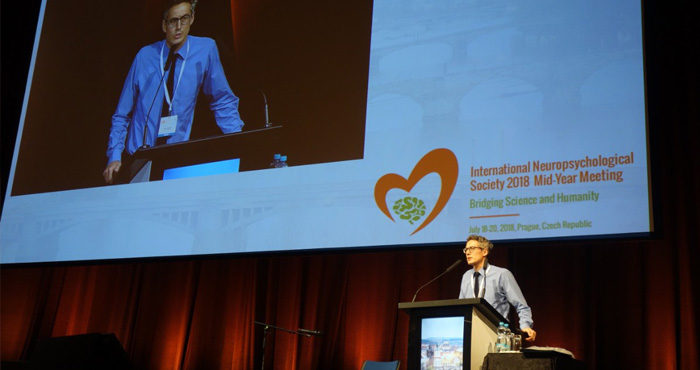
The workshop theme associated with the INS 2018 meeting in Prague reflects a central responsibility of modern neuropsychology: connecting scientific rigor with humane care. Effective report writing requires accurate interpretation, cultural awareness, practical recommendations, and language that respects the person behind the data.
From Assessment Data to Clinical Meaning
A strong report does not simply list scores from memory, attention, language, executive function, or emotional measures. It explains what the pattern means in relation to the referral question, the patient’s history, observed behavior, and everyday functioning.
Interpretation should distinguish between evidence and inference. A low score may reflect neurological impairment, fatigue, language differences, limited education, mood symptoms, or unfamiliarity with testing procedures. The report becomes clinically useful when it explains these possibilities without overstating certainty.
Organizing the Report Around the Referral Question
The referral question should shape the entire document. Whether the evaluation concerns cognitive decline, acquired brain injury, developmental learning needs, capacity, or return to work, each section should contribute to answering that specific concern.
A practical structure usually includes identifying information, reason for referral, relevant history, behavioral observations, procedures, results, interpretation, diagnostic impressions, and recommendations. The order may vary, but the logic should remain easy to follow for a busy clinician who needs the central findings quickly.
Balancing Technical Precision With Readability
Neuropsychological terminology has value when it communicates a precise concept, yet unexplained jargon can make a report inaccessible. Terms such as “executive dysfunction,” “processing speed weakness,” or “variable encoding” should be connected to observable consequences in daily life.
Clear writing does not mean oversimplifying the findings. It means defining technical ideas and using concrete examples. Instead of stating that a patient has impaired working memory, explain that the person may lose track of multistep instructions, struggle to hold information while solving a problem, or need written reminders.
A report can also preserve nuance through carefully chosen qualifiers. Words such as “suggests,” “is consistent with,” and “cannot be ruled out” help communicate uncertainty while avoiding vague or evasive conclusions.
Connecting Scores With Culture and Context
Cultural and linguistic factors affect test performance, symptom reporting, communication style, and expectations about illness. A responsible clinician considers whether available norms adequately represent the patient and whether an interpreter, bilingual examiner, or adapted measure is needed.
The broader INS 2018 program emphasized the relationship between neuroscience, clinical practice, and humane patient care. Resources connected with the meeting, including information about cultural and ethical perspectives, provide a useful reminder that standardized scores must be interpreted within the person’s social and cultural context.
| Report element | Less effective approach | Clinically useful approach |
|---|---|---|
| Test results | Lists scores without explanation | Describes patterns and functional implications |
| Diagnostic language | Presents one cause as certain | Weighs alternatives and states limitations |
| Recommendations | Gives generic advice | Links each action to a documented difficulty |
| Cultural factors | Mentions them briefly or not at all | Explains how language, norms, and background affect interpretation |
| Patient communication | Uses dense professional jargon | Uses respectful, understandable wording |
Turning Findings Into Practical Recommendations
Recommendations should be specific, prioritized, and realistic. A patient with slowed processing may benefit from extra response time and reduced multitasking, while someone with memory difficulties may need written instructions, structured routines, and external reminder systems.
Recommendations are strongest when they identify who should act, what should change, and why. “Follow up with rehabilitation” is less helpful than “Occupational therapy may assist with compensatory strategies for medication management and scheduling.” The report should also distinguish immediate supports from longer-term interventions.
Useful recommendations often address several settings:
- Medical care, medication routines, and safety monitoring
- School, workplace, or vocational accommodations
- Memory aids, planners, alarms, and written instructions
- Speech-language, occupational, psychological, or cognitive rehabilitation
- Family education and follow-up assessment when clinically indicated
Reviewing the Report Before It Leaves the Office
Revision is part of assessment quality. Before signing, the clinician should check that the report answers the referral question, explains inconsistent findings, identifies limitations, and avoids conclusions unsupported by the evidence.
A careful review should also remove duplicated information and contradictory statements. Confirm that recommendations are connected to documented weaknesses and that the tone remains respectful. Patients may read these reports during stressful periods, so language should describe challenges without reducing the individual to a diagnosis.
The final document should allow different readers to find what they need. Physicians may focus on diagnostic impressions, families may look for practical guidance, and patients may need an understandable explanation of their strengths and difficulties. A concise summary near the end can serve all three audiences.
A well-written neuropsychological report carries assessment findings into real decisions. Use the principles of structured interpretation, contextual reasoning, accessible language, and targeted recommendations to revise your next report and make every clinical page more useful to the people it is meant to serve.
General Information
Important information about the meetingIndustry
Support and exhibition opportunitiesCzech Republic
Beautiful country situated in the very heart of EuropeContact
How can we help you?
Prague Congress Centre (KCP)
5.května 65140 21 Prague 4
Czech Republic
Phone: +420 261 171 111
Website: www.kcp.cz