



Goal Attainment Scaling in Modern Neuropsychological Rehabilitation
Goal Attainment Scaling offers a flexible, patient-centred way to capture meaningful change after brain injury. Rather than relying solely on standardised test scores, the method converts individual priorities into a five-point scale that documents whether a person has achieved, partially achieved, or fallen short of an agreed target. In rehabilitation units across Sydney, Melbourne, and Brisbane, clinicians increasingly use this approach to bridge the gap between psychometric findings and lived recovery.
The technique emerged in the late 1960s, yet its value has grown as Australian funding bodies demand evidence of functional gain. Stroke and traumatic brain injury programs have embraced Goal Attainment Scaling because it speaks the language of both clinicians and the people they treat. It produces quantitative data that satisfies auditors without reducing recovery to a single number.
What Goal Attainment Scaling Actually Measures
At its core, GAS transforms a personalised goal into a measurable outcome. Clinicians and clients collaborate to define a clear target, then anticipate outcomes along a continuum from much worse than expected to much better than expected. The middle point represents the expected level of achievement after the intervention period.
This structure allows for tailored measurement. A neuropsychologist working with a stroke survivor in Adelaide might set a goal around returning to volunteer work at a community garden, then scale that aspiration into observable steps. The resulting score captures progress that generic cognitive batteries often miss, particularly when fatigue or environmental barriers shape real-world performance.
Why GAS Resonates with Australian Clinical Practice
Australian rehabilitation services operate within a blend of public and private funding, including Medicare, the National Disability Insurance Scheme, and state-based schemes such as the Transport Accident Commission in Victoria. Each system asks practitioners to demonstrate functional improvement, and standardised tests alone rarely tell the full story.
GAS fits this landscape because it produces a numerical outcome tied to personally meaningful activities. When a clinician in Perth documents that a client has progressed from unable to prepare a simple meal to preparing a two-course dinner for family, the data carries weight in funding reviews. The approach also aligns with the Australian Commission on Safety and Quality in Health Care's emphasis on person-centred care.
Building Goals That Reflect the Person, Not Just the Deficit
Effective GAS begins with collaborative goal setting. Rather than selecting targets from a fixed menu, clinicians should invite clients to describe what matters most in their day. For a young adult rebuilding life after an acquired brain injury in Hobart, this might mean studying part-time, while for a retiree in Cairns it could involve resuming fishing trips with grandchildren.
Cultural awareness shapes this process. Practitioners working with Aboriginal and Torres Strait Islander clients in the Northern Territory need to consider community obligations, connection to Country, and family decision-making structures. Resources from the cultural neuropsychology satellite workshop can guide clinicians who want to deepen this aspect of their practice.
Scoring and Tracking Progress Over Time
Scoring happens at predetermined intervals, often six or twelve weeks after goal setting. The same scale is applied again, generating a score that reflects movement from baseline. Aggregation across multiple goals produces a T-score, allowing teams to summarise progress without losing the richness of individual targets.
Electronic documentation has made this easier than it once was. Many Australian services now embed GAS prompts into outcome platforms, and private practices in Brisbane and Sydney use template libraries to streamline the process. Consistent scoring across raters requires training, so regular calibration meetings remain essential.
Integrating GAS with Existing Funding Frameworks
Funding submissions often determine whether a client receives ongoing therapy. GAS provides a defensible record when requesting additional sessions under the NDIS or extensions through compensable schemes. Reports that pair GAS data with standardised assessments tend to receive favourable consideration because they demonstrate both statistical and functional change.
Clinicians should align GAS goals with the language used in funding documents. If a plan manager expects evidence of community participation, the scale should include a goal that reflects outings or volunteering. This alignment saves time during reviews and helps families in regional Queensland and Western Australia access continued support.
Common Pitfalls and How to Avoid Them
Despite its strengths, GAS can drift into vagueness if goals are poorly defined. A target like "improve memory" invites interpretation, whereas "remember three items on a shopping list without prompts" leaves little room for ambiguity. Specificity protects the method's reputation and ensures that scores truly reflect change.
Another pitfall involves ceiling and floor effects when goals are set too high or too low. Experienced teams in Melbourne's rehabilitation hospitals recommend a brief pilot period during which goals are tested against expected trajectories. Feedback from clients and families often reveals whether a goal captures something genuinely challenging.
Practical Recommendations for Clinicians
- Schedule a dedicated goal-setting conversation rather than folding it into a routine assessment session
- Write each goal in observable, measurable language that an independent observer could verify
- Train the whole multidisciplinary team in GAS conventions so scoring remains consistent across disciplines
- Review aggregated scores at team meetings to identify clients who may need adjusted targets
- Refresh goal libraries every twelve months to reflect current evidence and client priorities
The continued refinement of tools like the promotion-kit resource helps practitioners share templates and scoring examples across services, strengthening the collective expertise of the Australian neuropsychology community.
General Information
Important information about the meetingIndustry
Support and exhibition opportunitiesCzech Republic
Beautiful country situated in the very heart of EuropeContact
How can we help you?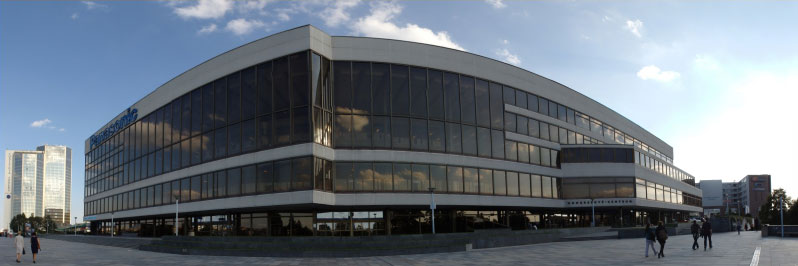
Prague Congress Centre (KCP)
5.května 65140 21 Prague 4
Czech Republic
Phone: +420 261 171 111
Website: www.kcp.cz