



Cultural Neuropsychology At The INS 2018 Satellite Workshop
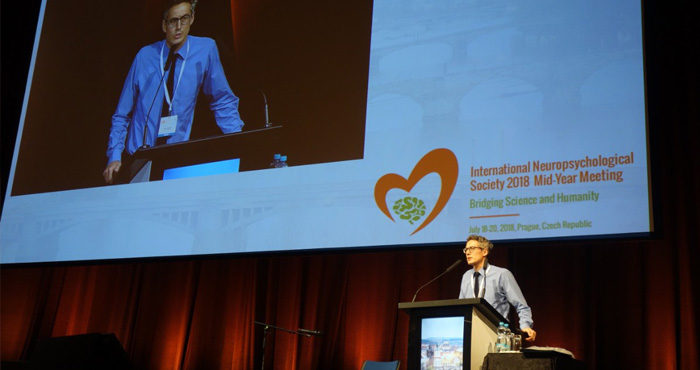
The INS 2018 Satellite Workshop on Cultural Neuropsychology brought an important clinical question into focus: how can assessment and treatment reflect the cultural, linguistic, and social realities of each patient? Held alongside the International Neuropsychological Society mid-year meeting in Prague, the workshop connected scientific progress with humane, context-sensitive care.
Cultural neuropsychology examines how culture shapes cognition, communication, behavior, illness beliefs, and access to services. It also encourages practitioners to question whether familiar tests and clinical assumptions work equally well across languages, communities, and educational backgrounds. The INS 2018 meeting site placed this specialist discussion within a broader program of neuroscience, clinical practice, continuing education, and professional exchange.
Why Culture Matters In Neuropsychological Practice
Neuropsychological evaluation is never entirely separate from culture. A patient’s performance may reflect language proficiency, schooling, migration history, acculturation, socioeconomic conditions, or familiarity with formal testing. These factors can influence scores without indicating neurological impairment.
A culturally responsive clinician therefore looks beyond a single result. The assessment process includes a careful history, an understanding of the referral question, appropriate normative data, and attention to how the patient explains symptoms. This approach improves diagnostic reasoning while protecting patients from misclassification.
Core Themes Of The Workshop
The workshop’s central value was its connection between cultural neuroscience and everyday clinical decisions. Researchers and practitioners could consider how brain-behavior relationships are studied across populations, while clinicians examined how those findings translate into interviews, cognitive testing, rehabilitation, and communication with families.
Cross-cultural assessment also requires awareness of measurement bias. Tests developed for one linguistic or educational group may contain instructions, concepts, or time limits that disadvantage another group. Cultural neuropsychology does not mean abandoning standardized tools; it means interpreting them carefully and selecting methods that fit the person and the purpose of evaluation.
From Scientific Evidence To Humane Care
The meeting’s wider theme of bridging science and humane patient care was especially relevant to cultural assessment. Technical accuracy matters, yet patients also need explanations they can understand and trust. A culturally informed report should describe functional strengths, practical difficulties, and relevant context rather than reducing someone’s identity to a score profile.
Clinical humility is equally important. Practitioners may need to work with interpreters, consult cultural brokers, or ask patients how they understand memory, attention, pain, disability, and recovery. These conversations can reveal information that a narrowly standardized appointment might miss.
Prague As A Meeting Place
Prague offered a fitting setting for an international conversation about culture and clinical practice. Participants arrived with different professional traditions, healthcare systems, languages, and experiences of neuropsychological service delivery. Such diversity encouraged comparison without assuming that one model should apply everywhere.
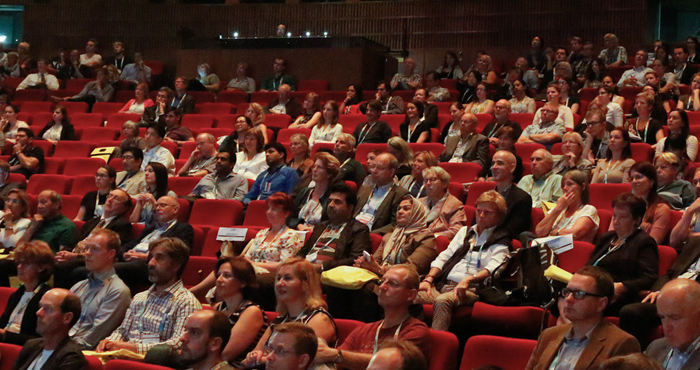
The INS 2018 program also created opportunities to connect the satellite workshop with poster sessions, continuing education workshops, and broader discussions in neuroscience and clinical neuropsychology. Attendees could place cultural questions within the full research-to-practice pathway, from experimental methods to patient-facing care.
Comparing Approaches To Cultural Assessment
The following distinctions help clarify why cultural formulation should be integrated throughout an evaluation rather than added as a brief final note.
| Assessment approach | Main strength | Common limitation | Culturally responsive improvement |
|---|---|---|---|
| Standardized testing alone | Efficient comparison with norms | May overlook language and educational effects | Combine scores with history and contextual interpretation |
| Informal clinical interview | Reveals beliefs, background, and daily function | Can vary between clinicians | Use structured cultural and psychosocial prompts |
| Interpreter-assisted assessment | Supports communication across languages | Interpretation may affect nuance and test validity | Plan roles clearly and document language factors |
| Locally developed norms | Better fit for a specific population | May be unavailable for all measures | Use the strongest available evidence and state limits |
| Collaborative formulation | Integrates patient and family perspectives | Requires time and communication skill | Invite the patient into explanation and care planning |
Applying The Learning After Prague
The most useful outcomes of a satellite workshop are practical. Clinicians can review referral forms for cultural information, identify tests with suitable language and normative support, and record factors that may affect performance. Researchers can improve sampling, report participant characteristics clearly, and avoid treating cultural groups as internally uniform.
Training programs can also make cultural competence a continuing process rather than a single lecture. Case discussions, supervision, interpreter practice, and critical review of test manuals help professionals recognize assumptions that may otherwise remain invisible.
Practical Steps For Attendees And Clinicians
A workshop on cultural neuropsychology can inform both immediate practice and longer-term professional development. Useful actions include:
- Ask about language history, education, migration, community, and preferred communication style.
- Separate evidence of impairment from factors that may affect test engagement or familiarity.
- Use interpreters appropriately and document how language support influenced the evaluation.
- Explain findings in accessible terms, linking recommendations to the patient’s daily goals.
- Seek current cross-cultural research before applying norms or diagnostic thresholds.
The Prague meeting represented a valuable point of contact between international scholarship and compassionate clinical work. Its message remains relevant: good neuropsychology must account for the person behind the performance, the culture surrounding the symptoms, and the context in which recovery takes place.
Explore the INS 2018 materials and revisit the cultural neuropsychology perspective when designing assessments, teaching trainees, or planning patient care. Let the workshop’s emphasis on evidence, humility, and inclusion guide the next evaluation or research project.
General Information
Important information about the meetingIndustry
Support and exhibition opportunitiesCzech Republic
Beautiful country situated in the very heart of EuropeContact
How can we help you?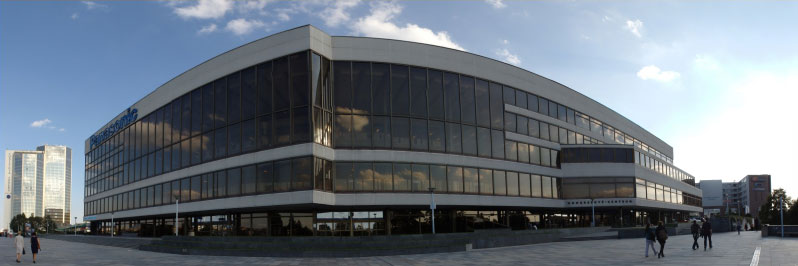
Prague Congress Centre (KCP)
5.května 65140 21 Prague 4
Czech Republic
Phone: +420 261 171 111
Website: www.kcp.cz