



Neuropsychology in Deep Brain Stimulation Programs
Deep brain stimulation (DBS) has changed the treatment landscape for conditions such as Parkinson’s disease, dystonia, essential tremor and selected psychiatric disorders. The procedure is technically demanding, yet its success depends on much more than electrode placement and programming. Neuropsychologists help determine whether a person is prepared for surgery, likely to benefit, and able to manage the cognitive, emotional and behavioural changes that may follow.
A DBS service brings together neurologists, neurosurgeons, psychiatrists, nurses, allied health professionals and rehabilitation clinicians. Within that multidisciplinary team, neuropsychology provides a structured view of memory, attention, executive skills, mood, personality, decision-making and everyday functioning. This information supports safer selection, realistic goal-setting and ongoing care.
The work also needs to reflect culture, family relationships and practical circumstances. In Australia, a patient may travel from regional Queensland to Brisbane, from rural New South Wales to Sydney, or across Western Australia for specialist review. Travel costs, public hospital pathways, private health coverage, telehealth access and the availability of a support person can all shape the DBS journey.
Assessment Before Surgery
Pre-operative neuropsychological assessment establishes a baseline against which later changes can be understood. A comprehensive evaluation may examine verbal and visual memory, processing speed, language, planning, impulse control and emotional wellbeing. It can reveal cognitive vulnerabilities that are not obvious during a routine neurological consultation.
The assessment is not a pass-or-fail test. Rather, it helps the team judge whether DBS is likely to address the person’s main difficulties and whether other concerns require attention first. Significant depression, untreated sleep problems, unrealistic expectations or limited medication adherence may affect outcomes. Clear feedback allows the patient and family to weigh potential gains against the demands of surgery and follow-up.
Supporting Clinical Decision-Making
Neuropsychologists contribute to candidacy discussions by translating test results into everyday implications. Someone with mild executive difficulties may still be an appropriate candidate, while needing written instructions, carer involvement and extra support with medication routines. A person with severe cognitive impairment may face greater difficulty learning programming changes or reporting adverse effects accurately.
Family interviews are particularly valuable. Relatives can describe fluctuations, changes in motivation, financial decisions and the practical impact of symptoms. In an Australian public health setting, where appointment time and specialist resources may be tightly managed, a focused report can help the team prioritise risks and coordinate referrals before the operation.
Care After Implantation
DBS programming can improve motor symptoms, but adjustment is often gradual. Neuropsychological follow-up monitors cognition, mood, anxiety, apathy, irritability and changes in social behaviour. These effects may arise from the underlying disorder, medication changes, stimulation settings or the person’s response to new abilities and expectations.
Rehabilitation should connect clinical findings with daily life. A patient returning to work in Melbourne, managing a farm near Wagga Wagga or relying on family support in Darwin may face very different demands. Telehealth can reduce long journeys, although reliable internet, private space and access to local clinicians remain important. Neuropsychologists can also coach families in communication strategies and help distinguish treatable problems from expected adjustment.
Culture, Consent and Patient-Centred Care
Cultural background influences how people describe symptoms, understand consent and involve family in decisions. Language, health literacy, spirituality and prior experiences with hospitals can affect the assessment process. A culturally responsive approach avoids treating standardised test scores as a complete account of capacity or quality of life. Guidance on cultural assessment is relevant to any DBS service seeking fairer interpretation.
For Aboriginal and Torres Strait Islander patients, culturally safe care may involve Aboriginal health workers, trusted family members and attention to community obligations. Clinicians should allow time to explain DBS in plain language rather than relying on technical terms. In everyday Australian speech, a patient may say they want to “give it a go”, but that phrase should prompt careful exploration of what improvement they expect and what risks they accept.
Practical Priorities for DBS Teams
High-quality programs make neuropsychology visible throughout the treatment pathway rather than limiting it to a single pre-surgical appointment. Standardised measures are useful, though they should be combined with interviews, functional history and reports from people who know the patient well. Training resources for presenters and clinicians can be located through the speaker guidance, supporting consistent communication across a multidisciplinary service.
Useful priorities include:
- Complete a baseline assessment before surgery, with results explained in accessible language.
- Screen for mood, sleep, impulse-control concerns and unrealistic treatment expectations.
- Include carers in planning while respecting the patient’s privacy and decision-making rights.
- Build culturally safe pathways with interpreters, Aboriginal health workers and local services where appropriate.
- Schedule follow-up that combines stimulation reviews with cognitive, emotional and functional monitoring.
This approach gives DBS programs a broader definition of success. Symptom reduction matters, yet so do independence, relationships, confidence, participation and the ability to manage life after implantation. Neuropsychology helps keep those human outcomes central to advanced neurological care.
General Information
Important information about the meetingIndustry
Support and exhibition opportunitiesCzech Republic
Beautiful country situated in the very heart of EuropeContact
How can we help you?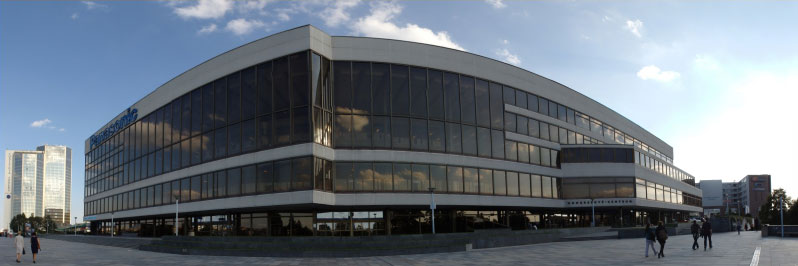
Prague Congress Centre (KCP)
5.května 65140 21 Prague 4
Czech Republic
Phone: +420 261 171 111
Website: www.kcp.cz