



Cultural Context In Neuropsychological Assessment
Neuropsychological assessment is shaped by the person being assessed, the professional conducting the evaluation, and the cultural environment in which both work. Cognitive scores can offer valuable evidence, but they do not speak independently of language, education, migration history, health beliefs, or access to opportunity.
A culturally informed evaluation therefore asks more than whether a score falls below a particular norm. It considers how the assessment setting, communication style, test content, and expectations about illness may influence performance. This approach supports fairer interpretation and more humane clinical care.
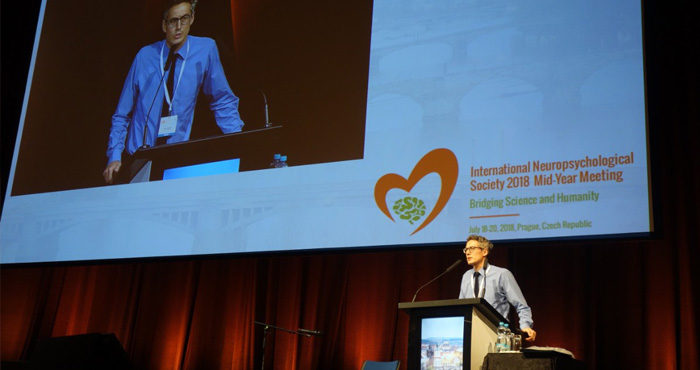
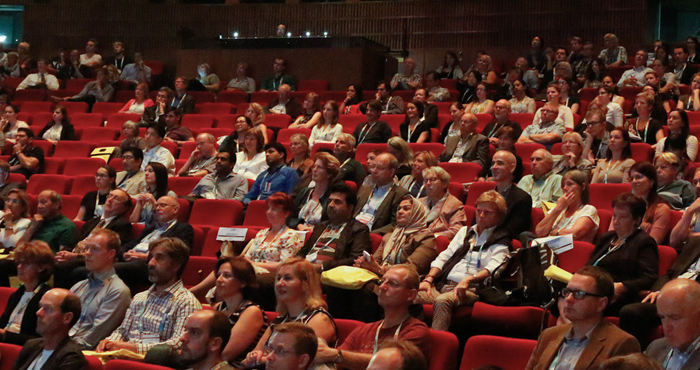
These concerns were central to the International Neuropsychological Society mid-year meeting in Prague in July 2018. Its emphasis on connecting neuroscience, clinical practice, and patient experience remains relevant for clinicians working with multilingual and culturally diverse communities.
Why Culture Shapes Test Meaning
Cognitive tests are developed within particular educational, linguistic, and social traditions. Familiarity with timed tasks, abstract questions, visual conventions, or formal interaction with professionals can affect performance independently of neurological impairment. A low score may reflect limited opportunity to learn a skill rather than deterioration in that ability.
Culture also influences how patients describe symptoms and respond to evaluation. Some individuals may emphasize physical discomfort, while others may describe memory problems through changes in family responsibilities or daily functioning. Understanding these narratives helps clinicians distinguish genuine cognitive concerns from differences in communication and explanatory models.
Language Education And Acculturation
Language proficiency is more complex than identifying a preferred language. Clinicians should consider literacy, dialect, bilingual development, age of second-language acquisition, code-switching, and the language used during schooling. An interpreter can support communication, but interpretation itself may alter timing, nuance, and the delivery of standardized instructions.
Years of formal education and the quality of that education also matter. A person who completed school in a rural setting, experienced interrupted schooling, or learned through a different curriculum may approach common test tasks in unfamiliar ways. Acculturation is similarly individual: two people from the same country can have very different exposure to local institutions, technology, and social expectations.
Norms And Fair Interpretation
Normative data provide a comparison framework, not an unquestionable verdict. Ideally, the reference group resembles the patient in age, education, language, cultural experience, and relevant health characteristics. When that match is weak, clinicians should interpret results cautiously and make the limitations explicit.
A culturally responsive report integrates test findings with interviews, behavioral observations, collateral information, functional history, and medical evidence. Patterns across measures may be more informative than one isolated score. The program at a glance for the Prague meeting reflects the broad professional interest in connecting scientific advances with practical assessment and care.
| Assessment factor | Possible influence on results | Helpful clinical response |
|---|---|---|
| Primary language | Slower comprehension or word retrieval | Assess language history and use suitable measures |
| Education quality | Uneven familiarity with abstract tasks | Review schooling, literacy, and learning opportunities |
| Cultural expectations | Different views of testing and illness | Explain the process and invite the patient’s perspective |
| Migration history | Stress, disrupted care, or changing norms | Document timeline, context, and current functioning |
| Interpreter use | Altered phrasing, pace, or response format | Brief and collaborate with a trained interpreter |
From Scores To Clinical Formulation
The central question is whether the observed pattern is consistent with neurological change in this individual. That decision requires a baseline estimate grounded in biography, previous functioning, occupational demands, and family observations. A person may perform below a published average while remaining stable and effective in everyday life.
Clinicians should also examine the conditions surrounding testing. Fatigue, anxiety, unfamiliarity with the setting, sensory limitations, pain, and concern about immigration or stigma can affect engagement. Recording these factors does not invalidate the assessment; it clarifies what the scores can and cannot support.
Building A Culturally Responsive Process
Cultural competence is best treated as an ongoing clinical practice rather than a checklist of facts about ethnic groups. Preparation should combine self-reflection, knowledge of local communities, consultation with cultural specialists, and careful attention to the patient’s own account.
Useful safeguards can be built into each stage of evaluation:
- Establish language, literacy, education, and migration history before selecting measures.
- Explain the purpose and structure of testing in clear, accessible language.
- Use interpreters who understand confidentiality and assessment procedures.
- Compare findings with everyday functioning and collateral reports.
- State normative limitations and alternative explanations in the report.
These steps improve validity while strengthening the therapeutic relationship. They also reduce the risk of mistaking unfamiliar behavior, limited English proficiency, or educational disadvantage for cognitive disorder.
Lessons For International Practice
Neuropsychologists increasingly work across borders, whether through migration services, international research, telehealth, or multicultural urban clinics. This makes adaptation, translation, and validation of assessment tools an ethical priority. A translated test is not automatically equivalent to the original; instructions, item difficulty, norms, and response styles all require examination.
The Prague meeting’s focus on humane patient care offers a useful standard for this work. Scientific rigor and cultural humility should reinforce each other. When clinicians acknowledge uncertainty, seek contextual evidence, and avoid overinterpreting numerical differences, assessment becomes more accurate and more respectful.
Use the resources preserved through INS 2018 to revisit the relationship between cultural context and clinical judgment. Apply these principles in case formulation, team discussions, and report writing so that every assessment reflects both the evidence and the person behind the scores.
General Information
Important information about the meetingIndustry
Support and exhibition opportunitiesCzech Republic
Beautiful country situated in the very heart of EuropeContact
How can we help you?
Prague Congress Centre (KCP)
5.května 65140 21 Prague 4
Czech Republic
Phone: +420 261 171 111
Website: www.kcp.cz