



Functional assessment in neuropsychological evaluations
Neuropsychological assessment is most useful when it explains how cognitive changes affect everyday life. A test score can indicate weakness in memory, attention or executive functioning, yet it may not show whether someone can manage medication, return to work, follow a recipe or travel safely on public transport.
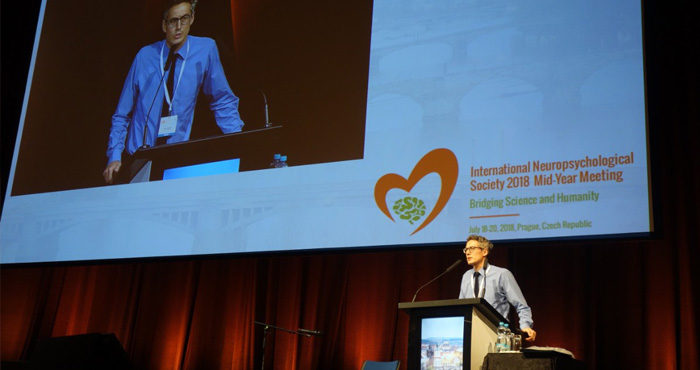
Functional assessment connects clinical findings with real-world performance. This approach reflects the humane, practice-focused spirit of the INS 2018 meeting in Prague, where neuroscience, cultural awareness and patient care were considered together rather than treated as separate concerns.
From test scores to daily performance
A functional evaluation examines how a person applies cognitive skills in familiar situations. It may involve interviews with the patient and family, review of work or school demands, behavioural observation, performance-based tasks and questionnaires completed by carers.
The clinician is looking for patterns. A person might recall information well in a quiet room but lose track of instructions in a busy workplace. Another person may have adequate language skills but struggle to plan a shopping trip, estimate time or recognise when help is needed.
Domains that matter in everyday life
Functional cognition includes attention, processing speed, learning, memory, language, visuospatial ability and executive control. Emotional regulation, fatigue, pain, sleep and sensory changes can influence performance as much as a core cognitive impairment.
Assessment should also consider practical judgement. Can the person manage online banking, respond to an unexpected change, prepare food safely or use a smartphone reminder? These questions help distinguish an isolated test weakness from a pattern with consequences for independence, relationships and participation.
Designing meaningful assessment tasks
Tasks should resemble the person’s actual roles and routines. For a university student, this might involve planning study time and interpreting a timetable. For a tradesperson, the focus may include safety procedures, sequencing, tool management and responding to interruptions.
Cultural and linguistic factors require careful attention. Australian clinicians may need to account for multilingual households, Aboriginal and Torres Strait Islander concepts of wellbeing, regional access to services and differences between metropolitan and remote living. An interpreter or culturally safe consultation can produce more reliable information than simply translating a test form.
Comparing evidence across functional areas
No single measure captures daily capacity. A strong formulation compares formal testing with collateral reports, observed behaviour and the demands of the person’s environment. Differences between these sources are clinically meaningful rather than inconvenient.
| Functional area | Useful evidence | Questions for interpretation |
|---|---|---|
| Memory | Recall tasks, medication routines, carer reports | Does the person retain information outside the clinic? |
| Executive functioning | Planning activities, work samples, problem-solving | Can they start, sequence and adapt tasks? |
| Attention | Observation, sustained attention measures, error patterns | What happens when distractions or fatigue increase? |
| Communication | Conversation, written tasks, workplace feedback | Can they understand and express information in context? |
| Safety and independence | Cooking, transport, finances and risk history | What support is needed for reliable daily decisions? |
The aim is not to label someone as capable or incapable. Functional capacity often varies by time of day, task complexity, environmental structure and available support. A person may perform independently with written prompts but require supervision when routines change.
Australian contexts and service decisions
In Australia, functional findings may inform rehabilitation, return-to-work planning, insurance reports, guardianship matters or applications for NDIS supports. Requirements differ between schemes and states, so reports should clearly separate observed limitations from clinical opinion and explain how recommended supports relate to daily participation.
Local realities matter. A client in western Sydney may face long travel times and multiple languages at home, while someone in regional Queensland may have limited access to neuropsychology and rely on telehealth. Public transport use in Melbourne, a long drive to appointments in the Northern Territory, or a return-to-work pathway involving WorkSafe Victoria can change what independence looks like.
Connecting assessment with rehabilitation
A functional formulation should lead to practical intervention. Recommendations might include external memory aids, graded task practice, fatigue management, environmental modifications, communication strategies and education for family or employers.
For people living with acquired brain injury, the principles described in veteran brain injury rehabilitation also highlight the value of coordinated, goal-directed care. Rehabilitation is strongest when strategies are practised in the settings where difficulties actually occur, rather than left as advice in a report.
Making recommendations usable
Reports should state what the person can do, what makes performance harder and what support improves reliability. Avoiding vague wording such as “monitor cognition” gives families, employers and allied health professionals a clearer pathway.
Useful recommendations are specific, observable and proportionate. They should recognise strengths, preserve autonomy and identify risks without assuming that a diagnosis determines every aspect of functioning.
Information worth gathering
- The person’s typical morning, workday or school routine
- Tasks that are avoided, forgotten or completed unusually slowly
- Changes noticed by family, colleagues or support workers
- Environmental factors such as noise, transport, fatigue or time pressure
A brief functional interview can reveal barriers that formal testing misses. It also helps the clinician select tasks that feel relevant rather than artificial.
Recommendations that translate into action
- Use written steps, calendars or phone reminders for multi-stage tasks
- Reduce competing noise and allow extra processing time when needed
- Practise strategies in the home, workplace or community setting
- Review supports after health, employment or living arrangements change
This approach keeps neuropsychological evaluation anchored to participation, safety and quality of life. It turns cognitive findings into information that can guide care across Australian homes, clinics, workplaces and communities.
General Information
Important information about the meetingIndustry
Support and exhibition opportunitiesCzech Republic
Beautiful country situated in the very heart of EuropeContact
How can we help you?
Prague Congress Centre (KCP)
5.května 65140 21 Prague 4
Czech Republic
Phone: +420 261 171 111
Website: www.kcp.cz