




Neuropsychological Rehabilitation After Traumatic Brain Injury in Veterans
Traumatic brain injury (TBI) can affect attention, memory, processing speed, emotional regulation, sleep, and physical functioning. For veterans, the causes may include blast exposure, falls, vehicle accidents, sports injuries, or repeated impacts during service. Recovery is shaped by injury severity, co-occurring conditions, access to care, and the demands of life after deployment.
Effective rehabilitation connects neuropsychological assessment with practical goals. A veteran may need help managing appointments, returning to work, rebuilding relationships, or adapting to sensory overload. Treatment is strongest when clinicians recognize military culture while preserving the individual’s preferences, identity, and autonomy.
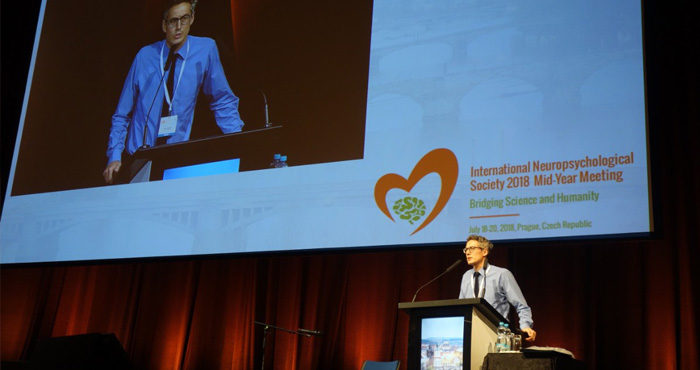
The scientific and clinical exchange encouraged by the International Neuropsychological Society’s 2018 meeting offers a useful framework for this work. Its emphasis on neuroscience, humane care, and cultural considerations remains relevant to clinicians supporting veterans with complex cognitive and emotional needs.
Understanding The Veteran’s Injury Profile
A detailed evaluation begins with the history of the event and the symptoms that followed. Clinicians review loss of consciousness, post-traumatic amnesia, pain, sleep disruption, headaches, hearing changes, medication use, and previous concussions. They also consider post-traumatic stress, depression, anxiety, substance use, and chronic pain, all of which can influence cognitive performance.
Standardized testing may examine memory, executive functioning, attention, language, visuospatial skills, and processing speed. Results should be interpreted alongside everyday observations. A score can identify a vulnerable domain, but it does not fully describe how a veteran functions in a crowded workplace, family setting, or unpredictable community environment.
Building A Person-Centered Rehabilitation Plan
Rehabilitation is most useful when goals are specific and meaningful. Instead of focusing only on improving test scores, a clinician might target remembering medication schedules, completing a multi-step work task, navigating public transportation, or participating in family conversations without becoming overwhelmed.
Cognitive rehabilitation can include external memory aids, structured routines, errorless learning, attention strategies, and problem-solving practice. Compensatory tools are not signs of failure; they reduce unnecessary cognitive load and support independence while recovery continues.
Family members and trusted peers can reinforce strategies between sessions. With the veteran’s consent, education may cover fatigue management, communication techniques, behavioral changes, and ways to make the home environment more predictable.
Coordinating Care Across Conditions
Veterans with TBI frequently require integrated care rather than isolated therapy. Neuropsychologists may coordinate with rehabilitation physicians, speech-language pathologists, occupational therapists, physical therapists, psychologists, psychiatrists, sleep specialists, and social workers.
Treatment priorities can change over time. Stabilizing sleep and pain may improve attention; treating trauma-related symptoms may make cognitive exercises more effective; vestibular therapy may reduce dizziness and increase participation. Care teams should monitor medication effects and distinguish new neurological changes from fluctuating symptoms linked to stress or fatigue.
| Rehabilitation Domain | Common Difficulties | Practical Supports |
|---|---|---|
| Attention and processing speed | Losing track of conversations or tasks | Quiet settings, written steps, scheduled breaks |
| Memory | Missed appointments or misplaced items | Calendar alerts, checklists, consistent storage locations |
| Executive functioning | Trouble planning, prioritizing, or starting tasks | Task sequencing, visual plans, coaching |
| Emotional regulation | Irritability, impulsivity, or rapid overwhelm | Coping scripts, grounding methods, environmental adjustments |
| Community participation | Avoidance of crowds, noise, or unfamiliar routes | Gradual exposure, travel rehearsal, sensory accommodations |
Respecting Military And Cultural Contexts
Military culture can influence how veterans describe symptoms and accept assistance. Some may fear being judged as weak, unreliable, or unable to contribute. Others may have developed strong habits of endurance that conceal impairment until everyday demands exceed available resources.
Culturally responsive care uses plain language, shared decision-making, and respect for service-related values. Clinicians should ask how the veteran understands the injury, which roles matter most, and what forms of support feel acceptable. A collaborative approach can improve engagement without assuming that all veterans share the same experiences.
The setting of care also matters. Some veterans prefer a military-connected environment, while others feel more comfortable in civilian services. Offering choices about providers, family involvement, session format, and rehabilitation goals can strengthen trust.
Measuring Progress Beyond Test Scores
Outcome tracking should include functional changes, symptom patterns, and participation in meaningful activities. A veteran may still perform below average on a memory measure while successfully managing a medication system, returning to school, or using a reliable strategy at work.
Clinicians can combine formal reassessment with activity logs, caregiver observations, workplace feedback, and the veteran’s own account. Measures of quality of life, confidence, fatigue, and social participation may reveal gains that a narrow cognitive score misses.
Progress is rarely linear. Setbacks may occur during illness, sleep loss, anniversaries of traumatic events, or major transitions. A flexible plan allows strategies to be revised without treating temporary difficulty as treatment failure.
Planning Follow-Up And Long-Term Support
Rehabilitation should include a transition plan from the beginning. Veterans may need written summaries, home exercises, referral information, crisis resources, and instructions for communicating accommodations to employers or educational institutions. Follow-up appointments can identify emerging problems after the initial intensive phase ends.
The timing of evaluation, registration, or professional education has practical importance for services and conference participants; the archived meeting’s conference dates illustrate how structured scheduling supports coordinated learning and care planning.
Useful recommendations for clinical teams include:
- Establish a shared functional goal with the veteran and revisit it regularly.
- Screen for sleep disturbance, PTSD, depression, pain, hearing problems, and substance use.
- Teach a small number of strategies, then practice them in realistic situations.
- Include family or trusted supports only with clear consent and agreed boundaries.
- Document accommodations and create a follow-up plan before discharge.
Neuropsychological rehabilitation becomes more effective when scientific evidence is translated into daily routines, respectful communication, and practical support. Explore veteran-focused rehabilitation resources, coordinate with qualified clinicians, and help each person build a recovery plan that connects cognitive health with the life they want to resume.
General Information
Important information about the meetingIndustry
Support and exhibition opportunitiesCzech Republic
Beautiful country situated in the very heart of EuropeContact
How can we help you?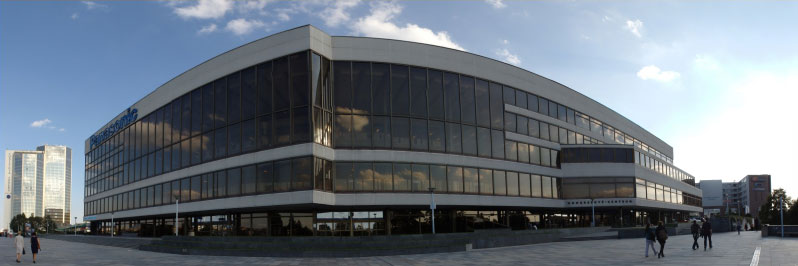
Prague Congress Centre (KCP)
5.května 65140 21 Prague 4
Czech Republic
Phone: +420 261 171 111
Website: www.kcp.cz