


Cognitive side effects of radiotherapy in brain tumour survivors
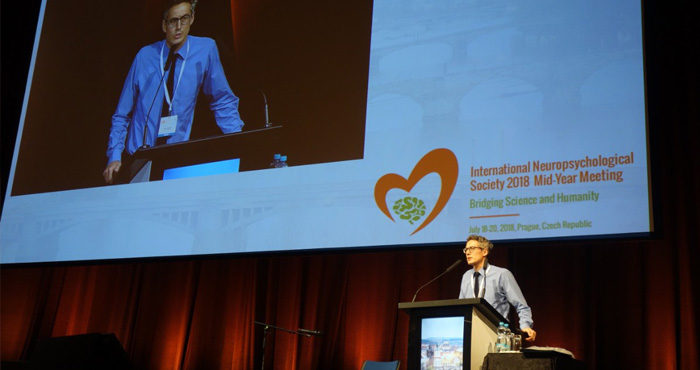
Survivors of brain tumours often describe a quiet trade-off: the treatment that controls their disease can also reshape how they think, remember, and engage with daily life. Cranial radiotherapy, while life-prolonging, produces measurable cognitive changes, sometimes months after treatment and sometimes years later. The neuropsychology community gathered in Prague in July 2018 to confront exactly this kind of clinical reality.
In Australia, the picture is layered with geography and culture. Many patients travel hundreds of kilometres from the outback or coastal towns to reach tertiary centres such as Peter MacCallum Cancer Centre in Melbourne or Royal Brisbane and Women's Hospital. Follow-up care relies on Medicare-funded neuropsychology or telehealth, and clinicians adapt recommendations for a population ranging from urban professionals to remote station workers. Indigenous patients and culturally diverse communities, including Vietnamese, Mandarin, and Greek populations in Sydney and Melbourne, bring additional considerations.
This article maps the mechanisms, clinical patterns, assessment tools, and interventions shaping cognitive outcomes for adult and paediatric survivors. Readers interested in the conference setting can enjoy the Prague venue tour for a reminder that international dialogue has long advanced this field.
Mechanisms of radiation-induced cognitive change
Ionising radiation damages both tumour cells and surrounding neural tissue. Dominant pathways involve oxidative stress, inflammation, microvascular injury, and reduced neurogenesis in the hippocampus and subventricular zone. White matter tracts are particularly vulnerable, with demyelination visible on diffusion imaging months after treatment.
Genetic factors such as APOE ε4 carriage amplify vulnerability, and concurrent chemotherapy compounds the injury. Paediatric survivors are especially susceptible because their brains are still developing. Australian clinicians note that cumulative dose and irradiated volume matter more than modality alone.
Domains commonly affected in survivors
The cognitive footprint is broad but predictable. Processing speed and working memory typically decline first, followed by episodic memory, executive function, and attention. Patients often say their brain feels slower, or they struggle to follow conversations in noisy cafés from Fitzroy to Newtown. Language and visuospatial skills are usually spared unless the radiation field directly involves cortical language areas.
Mood and fatigue travel alongside these changes. Depression, anxiety, and cancer-related fatigue can mimic or magnify cognitive symptoms. In multicultural clinics, clinicians must separate cultural presentations of distress from genuine impairment. Children may show drops in IQ and school performance, requiring state-specific educational adjustments.
Assessment approaches in clinical settings
Comprehensive assessment blends brief screening with detailed neuropsychological testing using tools such as the Montreal Cognitive Assessment, Trail Making Test, and Hopkins Verbal Learning Test. In remote areas, telehealth-based assessments, increasingly reimbursed under Medicare, bridge the tyranny of distance affecting patients from the Kimberley to western Queensland.
| Domain | Common test | Typical effect | Setting |
|---|---|---|---|
| Processing speed | TMT-A, SDMT | -0.5 to -1.5 SD | Outpatient, telehealth |
| Working memory | Digit Span | -0.5 to -1.0 SD | Major cancer centre |
| Episodic memory | HVLT, CVLT | -0.5 to -2.0 SD | Tertiary clinic |
| Executive function | Stroop, TMT-B | -0.5 to -1.2 SD | Hospital rehab |
| Mood/fatigue | HADS, FACT-F | Elevated distress | Cancer Council support |
Clinicians sharpening their toolkit can explore continuing education workshop descriptions for newer digital and culturally adapted protocols.
Pharmacological and biological interventions
No medication has Australian regulatory approval specifically for radiation-induced cognitive impairment, though several agents show promise. Memantine has demonstrated modest benefit when started during radiotherapy. Methylphenidate and modafinil address fatigue and attention, while donepezil produces mixed results. The Australian Cancer Society recommends cautious prescribing with review at four to six weeks.
Hippocampal-avoidance whole-brain radiotherapy is under trial at the Royal Adelaide Hospital. Peter MacCallum clinicians combine memantine with cognitive training in a multimodal approach that reflects current best practice.
Emerging research and future directions
Researchers across Australia and internationally are exploring novel ways to protect cognition during and after radiotherapy. Hippocampal-avoidance protocols, proton therapy, and neurogenesis-supportive agents are reshaping clinical expectations. The Australasian Brain Tumour Registry is mapping long-term cognitive outcomes across diverse populations.
Digital tools also hold promise, with mobile cognitive training apps and AI-assisted analysis entering clinical trials. Co-designed tools with Aboriginal and Torres Strait Islander communities may improve cultural safety. International collaboration, such as discussions that shaped INS 2018, remains vital for translating these advances into practice.
Rehabilitation, lifestyle, and psychosocial support
Cognitive rehabilitation remains the cornerstone of non-pharmacological care. Goal-oriented training, restorative exercises, and compensatory strategies such as calendars, phone alerts, and spaced repetition all help. Group programmes run through Cancer Council Australia offices from Hobart to Darwin add peer support that patients consistently value. Exercise is another protective lever, linked to better processing speed and reduced fatigue.
Lifestyle counselling should address sleep, alcohol, and social engagement. For younger survivors, vocational rehabilitation and adjustments under the Disability Standards for Education 2005 can be pivotal.
Practical recommendations for clinicians and survivors
- Screen for cognitive change at baseline, six months, and twelve months post-radiotherapy, then annually.
- Use culturally validated tools and involve interpreters when English is a second language.
- Refer early to telehealth neuropsychology for patients more than 100 km from a major centre.
- Combine memantine consideration with structured cognitive training rather than offering either alone.
- Connect families with Cancer Council Australia support groups and paediatric oncology social workers.
- Document fatigue and mood separately from cognition, since each domain may need different interventions.
General Information
Important information about the meetingIndustry
Support and exhibition opportunitiesCzech Republic
Beautiful country situated in the very heart of EuropeContact
How can we help you?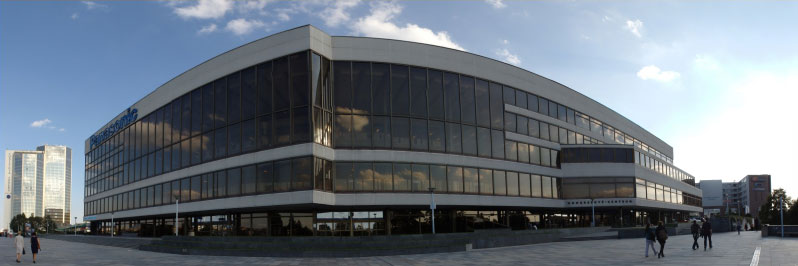
Prague Congress Centre (KCP)
5.května 65140 21 Prague 4
Czech Republic
Phone: +420 261 171 111
Website: www.kcp.cz