



INS 2018 Continuing Education Workshop Descriptions
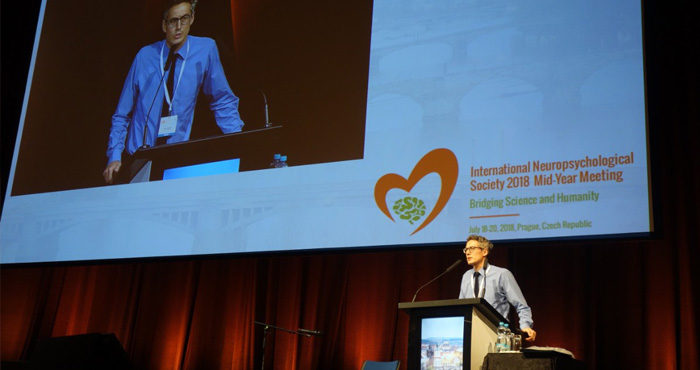
The INS 2018 mid-year meeting in Prague brought together research, clinical practice, and humane patient care from July 18–20, 2018. Its continuing education workshops were designed to help neuropsychologists connect scientific developments with decisions made in real clinical settings.
Rather than treating assessment as a purely technical exercise, the program emphasized the person behind the test scores. Cultural identity, neurological injury, family context, and everyday functioning all influence how clinicians interpret evidence and plan effective support.
The workshop descriptions are especially useful for professionals reviewing the meeting’s educational goals. They show how case-based learning and applied neuroscience can strengthen assessment, communication, and rehabilitation planning.
Connecting Science With Patient Care
Continuing education at the Prague meeting addressed the practical gap between emerging neuropsychological science and the needs of patients. Participants could consider how research findings translate into interviews, cognitive testing, diagnostic formulation, and treatment recommendations.
This approach also reflects the wider purpose of the International Neuropsychological Society. A strong clinician must understand brain-behavior relationships while remaining attentive to individual values, language, social environment, and quality of life.
Cultural Factors In Clinical Assessment
Culture can influence educational opportunities, communication styles, health beliefs, test familiarity, and expectations about professional care. These factors may affect performance during an evaluation without indicating neurological impairment.
The workshop’s case-based emphasis encouraged clinicians to examine their own assumptions and to place test results within a broader history. The cultural case workshop provides a useful example of how culturally responsive reasoning can support fairer interpretation and more relevant recommendations.
Executive Function After Traumatic Brain Injury
Traumatic brain injury may disrupt planning, inhibition, working memory, initiation, emotional regulation, and flexible problem-solving. These difficulties can be missed when an evaluation focuses narrowly on memory or overall intellectual ability.
A clinically meaningful description of executive dysfunction should connect test findings with everyday behavior. The executive dysfunction guidance helps frame the problem in terms of functional consequences, including difficulties at work, home, and during rehabilitation.
| Workshop theme | Central clinical focus | Practical value |
|---|---|---|
| Cultural neuropsychology | Interpreting assessment within cultural and social context | More responsive interviews, testing, and recommendations |
| Traumatic brain injury | Understanding executive and behavioral changes | Clearer functional formulations and rehabilitation goals |
| Shared educational emphasis | Applying neuroscience to patient care | Stronger links between evidence, communication, and intervention |
Case-Based Learning In Practice
Cases allow continuing education participants to move beyond definitions and examine the uncertainty that commonly appears in clinical work. They can compare alternative explanations, identify missing information, and consider how assessment conclusions may change as the history develops.
This method is particularly valuable in neuropsychology because the same cognitive score can have different meanings across patients. A case discussion can demonstrate why premorbid ability, emotional state, fatigue, language, injury severity, and environmental demands must be considered together.
From Findings To Recommendations
A neuropsychological report becomes most useful when it explains what the findings mean in daily life. Recommendations should be specific enough to guide patients, families, educators, employers, and other members of a treatment team.
For someone with traumatic brain injury, this might involve external reminders, reduced multitasking, structured routines, written instructions, or carefully graded demands. For a culturally diverse patient, recommendations may also require accessible language, family engagement, interpreters, or adaptation to community practices.
Preparing For Meaningful Continuing Education
Professionals reviewing the INS 2018 workshop material can focus on several habits that improve clinical reasoning:
- Link cognitive findings to observable activities and participation.
- Examine cultural, linguistic, and educational influences before interpreting scores.
- Describe executive problems through specific examples rather than broad labels.
- Turn assessment results into practical recommendations for the patient’s environment.
- Use case discussion to identify uncertainty and avoid overconfident conclusions.
These principles apply across adult, pediatric, rehabilitation, and health psychology settings. They also support better communication among neuropsychologists, neurologists, therapists, families, and patients.
The Prague program’s educational value extends beyond the original meeting dates. Its workshop themes remain relevant wherever clinicians must balance standardized measurement with individualized care, cultural humility, and functional outcomes.
Explore the INS 2018 continuing education materials to deepen your understanding of culturally informed assessment and executive dysfunction after traumatic brain injury, and use these clinical perspectives to bring more precise, humane care into everyday neuropsychological practice.
General Information
Important information about the meetingIndustry
Support and exhibition opportunitiesCzech Republic
Beautiful country situated in the very heart of EuropeContact
How can we help you?
Prague Congress Centre (KCP)
5.května 65140 21 Prague 4
Czech Republic
Phone: +420 261 171 111
Website: www.kcp.cz