




Bilingual Brains, Ageing, and the Tests That Matter
Bilingualism and Executive Control in Aging: What Tests Reveal is a question about measurement as much as cognition. When older adults use two or more languages, their performance on attention, inhibition, switching and working-memory tasks reflects a mixture of brain function, language history, education and test familiarity.
The central issue is simple: a score is never produced by executive control alone. A person who learned English after Mandarin, Arabic or Italian may need extra time to understand instructions, search for a word or switch between response rules. That delay can be mistaken for cognitive decline if the assessment ignores linguistic background.
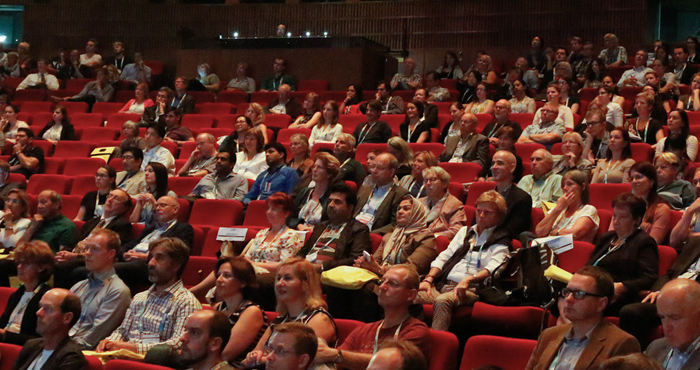
Research presented through neuropsychology conferences such as the INS 2018 meeting in Prague helped place these questions within a broader clinical setting. Scientific findings need to connect with humane patient care, cultural awareness and practical decisions made in clinics, hospitals and rehabilitation services.
For Australian clinicians, the issue is especially relevant in cities such as Sydney, Melbourne and Perth, where multilingual older adults form a substantial part of the community. A familiar assessment room, clear Australian English and an accredited interpreter can make a meaningful difference to the validity of testing.
Language Experience Shapes Cognitive Performance
Bilingual speakers manage competing vocabulary systems, monitor the language required by context and inhibit words from the less appropriate language. These demands may support aspects of cognitive flexibility, although the size and consistency of any advantage vary across studies.
Age, literacy and language proficiency often matter more than a simple bilingual-versus-monolingual label. Someone who uses Vietnamese at home, English at work and a third language with extended family has a different cognitive history from a person who learned a second language in school but rarely uses it.
What Executive Tests Actually Measure
The Stroop task examines interference control, while trail-making tasks assess visual scanning, sequencing and set-shifting. Digit span and spatial span provide information about working memory, and verbal fluency tasks test rapid retrieval under a rule.
Each measure contains non-executive demands. Naming speed, eyesight, motor control, reading direction and familiarity with test conventions can influence results. A low score should therefore be interpreted alongside education, hearing, mood, sleep, medication and everyday functioning.
Reading Scores Across Languages
Verbal fluency is particularly sensitive to language. Asking someone to produce words beginning with a particular letter favours languages with familiar spelling patterns and may disadvantage people whose strongest language uses a different writing system. Category fluency, such as naming animals, can sometimes offer a fairer comparison, though cultural familiarity still matters.
Translated tests are not automatically equivalent tests. A direct translation may change word frequency, difficulty or the number of acceptable responses. Clinicians should document the language used, the interpreter’s role and whether norms are available for the person’s age, education and cultural group.
Ageing, Culture, and Clinical Context
Healthy ageing can involve slower processing without a major loss of reasoning or independence. In bilingual adults, reduced speed may reflect word retrieval or reduced exposure to one language rather than deterioration in executive control. Reports from family members can clarify whether a change is new and whether it appears across both languages.
Cultural expectations also shape communication. Some older Australians may be comfortable with a brief, direct assessment; others may value a longer explanation involving family. Respectful practice includes asking which language is preferred for health information rather than assuming that English proficiency equals comfort with cognitive testing.
Choosing Measures for Australian Clinics
Australian services often work with culturally and linguistically diverse patients across public hospitals, private practices, aged-care settings and the NDIS. Waiting for an interpreter, arranging translated consent forms and finding suitable normative data can affect appointment planning, particularly outside major metropolitan centres.
A practical battery should combine timed and untimed measures, verbal and non-verbal tasks, and formal scores with functional evidence. For a patient from a regional town or a multilingual household in western Sydney, assessment may require coordination between a neuropsychologist, family members, a GP and a NAATI-certified interpreter.
From Conference Science to Care
Executive-control findings become clinically useful when they guide rehabilitation and daily support. Strategies might include reducing distractions, using written prompts, practising task switching gradually and delivering instructions in the person’s strongest language. These steps are relevant after stroke, traumatic brain injury and other neurological conditions.
The wider rehabilitation context is explored in rehabilitation session themes, where cognitive assessment connects with recovery goals and patient-centred care. A test result should support decisions about communication, safety and independence rather than act as a label by itself.
Comparing Common Assessment Approaches
No single test captures bilingual executive functioning. The strongest interpretation compares patterns across tasks and checks whether difficulties appear in everyday activities such as managing medicines, following recipes, handling public transport or switching between work and home routines.
| Assessment approach | Main ability examined | Bilingual considerations |
|---|---|---|
| Stroop-style task | Inhibition and interference control | Reading speed and language dominance can affect scores |
| Trail Making Test | Switching, scanning and processing speed | Motor skills, vision and familiarity with sequencing matter |
| Verbal fluency | Retrieval and strategic search | Letter norms may be less suitable than category norms |
| Digit or spatial span | Working memory | Instructions must be understood clearly in the preferred language |
| Everyday functional interview | Real-world executive control | Family and cultural context can reveal strengths missed by testing |
A fair assessment treats language history as clinical data, not background decoration. When tests are selected carefully and interpreted with cultural humility, clinicians can separate ageing, bilingual experience and neurological change more accurately while preserving the person’s dignity.
General Information
Important information about the meetingIndustry
Support and exhibition opportunitiesCzech Republic
Beautiful country situated in the very heart of EuropeContact
How can we help you?
Prague Congress Centre (KCP)
5.května 65140 21 Prague 4
Czech Republic
Phone: +420 261 171 111
Website: www.kcp.cz