

Acquired Brain Injury Rehabilitation: Key Sessions
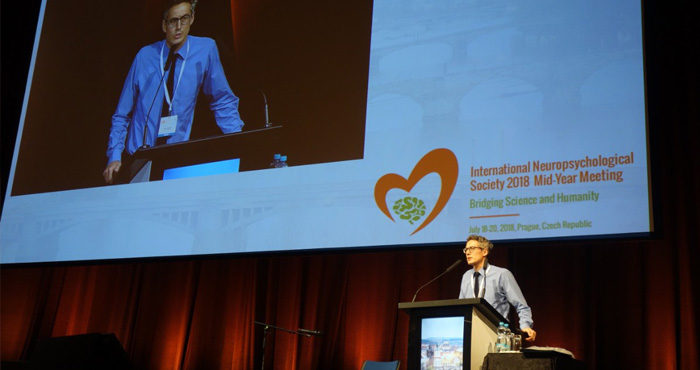
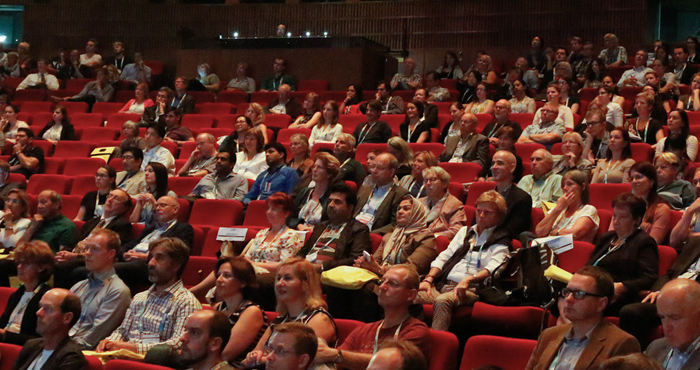
The INS 2018 mid-year meeting in Prague brought together research and clinical practice around neuropsychological care. Held from July 18–20, 2018, the event examined how scientific advances can support humane, culturally responsive rehabilitation for people living with acquired brain injury.
Sessions relevant to traumatic brain injury, stroke, cognitive impairment, and neurological recovery emphasized the whole patient. Memory, attention, language, mood, behavior, family adjustment, and community participation were treated as connected rehabilitation goals rather than isolated symptoms.
The conference program also reflected the practical needs of clinicians. Workshops, poster presentations, continuing education opportunities, and discussions of assessment methods offered tools for translating neuroscience into measurable, person-centered care.
Linking Assessment With Everyday Function
A central theme in acquired brain injury rehabilitation is the difference between test performance and daily independence. A patient may perform adequately on a structured attention task yet struggle to manage medication, follow a conversation, or return to work. Key sessions therefore placed formal neuropsychological testing alongside interviews, functional observation, and reports from family members.
This approach helps clinicians identify the cognitive processes that limit participation. Executive dysfunction may appear as poor planning, impulsivity, or difficulty switching tasks, while slowed processing can affect driving, employment, and social communication. A precise profile makes treatment goals more useful and easier to measure.
Supporting Recovery After Stroke
Stroke rehabilitation often requires a coordinated response to language loss, spatial neglect, memory changes, and emotional adjustment. Neuropsychologists can contribute by distinguishing primary neurological deficits from depression, fatigue, sleep disruption, or reduced confidence. That distinction shapes referrals and prevents avoidable demands on the patient.
Pediatric cases require additional care because injury can interrupt development rather than simply reduce an established skill set. The discussion of pediatric stroke outcomes highlights why longitudinal follow-up matters: academic progress, peer relationships, executive skills, and family support may evolve for years after the initial event.
Cognitive Rehabilitation In Practice
Cognitive rehabilitation is most effective when exercises connect directly to meaningful activities. Instead of practicing memory in isolation, a therapist may help a patient use calendars, smartphone reminders, written routines, or spaced retrieval to manage appointments and household responsibilities. Metacognitive strategies can also teach people to recognize errors and select compensatory tools.
The sessions also underscored the value of repetition, feedback, and graded difficulty. Goals should be specific enough to track, such as preparing a simple meal safely or completing a workplace task with fewer prompts. Progress may involve restored ability, improved compensation, or greater confidence using environmental supports.
| Rehabilitation focus | Common difficulty | Useful clinical response | Functional outcome |
|---|---|---|---|
| Attention and processing speed | Losing track during conversations or tasks | Brief, structured practice with reduced distractions | Longer sustained participation |
| Executive functioning | Poor planning, sequencing, or self-monitoring | Goal management and external checklists | Safer task completion |
| Memory | Forgetting instructions or appointments | Spaced retrieval and electronic reminders | Greater daily independence |
| Emotional regulation | Irritability, anxiety, or low mood | Psychoeducation, coping strategies, and referral | Improved engagement in therapy |
| Social cognition | Misreading tone, facial expression, or boundaries | Role-play and feedback in real contexts | More effective relationships |
Managing Emotional And Behavioral Change
Mood and behavior can change after traumatic brain injury or stroke because of neurological disruption, psychological distress, altered roles, and environmental stress. Irritability, apathy, disinhibition, anxiety, and depression may all interfere with therapy. Effective rehabilitation considers these symptoms part of the clinical picture rather than treating them as secondary concerns.
Family education is especially important. Relatives often become informal care coordinators while adapting to changes in personality and responsibility. Clear explanations, practical communication strategies, and realistic expectations can reduce conflict and help families support independence without taking over every task.
Culture, Identity, And Patient Voice
Cultural factors influence how patients describe symptoms, understand disability, involve relatives, and approach professional care. A neuropsychological evaluation should account for language, education, migration history, health beliefs, and culturally shaped communication styles. These considerations improve the validity of assessment and strengthen therapeutic relationships.
Person-centered care also means identifying goals that matter to the individual. Returning to employment may be essential for one person, while managing childcare, attending religious services, or reconnecting with friends may define success for another. Rehabilitation becomes more humane when clinical targets reflect identity and participation.
Translating Conference Learning Into Care
The strongest sessions connected laboratory findings with decisions made in clinics, hospitals, schools, and community settings. Research on neural recovery, cognitive reserve, and intervention techniques is valuable when it leads to clearer assessments, better timing of therapy, and practical support for patients and caregivers.
Clinicians reviewing the INS 2018 materials can use the program and poster themes as a framework for multidisciplinary discussion. Neurologists, speech-language therapists, occupational therapists, psychologists, nurses, educators, and social workers each see different effects of brain injury. Combining those perspectives produces a more complete rehabilitation plan.
Priorities For Clinical Teams
- Set functional goals that connect cognitive skills with daily activities.
- Reassess abilities over time as recovery and developmental demands change.
- Include family observations while preserving the patient’s autonomy and voice.
- Use culturally appropriate communication, interpreters, and accessible materials.
- Measure participation, confidence, and quality of life alongside test scores.
The Prague meeting’s central value lies in its practical balance: advanced neuroscience should deepen, rather than replace, compassionate clinical judgment. By combining careful assessment, targeted cognitive therapy, emotional support, and culturally informed planning, rehabilitation teams can help people with acquired brain injury build safer and more meaningful lives. Explore the INS 2018 program and related clinical resources to carry these principles into everyday neuropsychological practice.
General Information
Important information about the meetingIndustry
Support and exhibition opportunitiesCzech Republic
Beautiful country situated in the very heart of EuropeContact
How can we help you?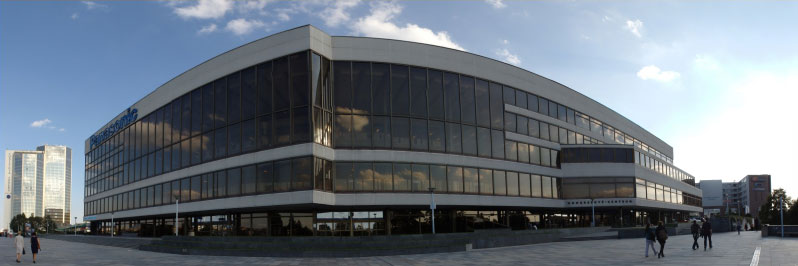
Prague Congress Centre (KCP)
5.května 65140 21 Prague 4
Czech Republic
Phone: +420 261 171 111
Website: www.kcp.cz