




Neuropsychology of mild traumatic brain injury and lasting effects
Mild traumatic brain injury (mTBI), often called concussion, is usually associated with a favourable recovery. Many people return to study, employment and sport within days or weeks. Yet a meaningful minority report headaches, slowed thinking, dizziness, fatigue, sleep disruption, irritability or reduced confidence for much longer.
The central clinical question is not whether symptoms are “real”. It is which symptoms persist, why they persist, and how they affect daily function. Neuropsychological assessment connects test performance with the person’s work demands, relationships, health history and cultural context.
For Australians, recovery may involve a long drive between regional towns, a return to shift work in Perth, university study in Melbourne, or pressure to resume training in an AFL, rugby or community sports team. Heat, poor sleep, demanding commutes and limited local specialist services can all influence the recovery experience.
A careful approach therefore combines brain science with humane care. It recognises injury-related changes while considering migraine, anxiety, depression, vestibular disorders, medication effects, previous concussions and the expectations surrounding recovery.
What mild traumatic brain injury changes
A concussion can temporarily disrupt attention, processing speed, working memory and the brain’s ability to manage competing demands. Standard memory scores may appear normal while a person struggles to follow a fast meeting, switch between tasks or remember instructions when tired.
Physical symptoms commonly include headache, light sensitivity, nausea, imbalance and visual discomfort. Emotional changes can include frustration, reduced tolerance for noise, low mood and anxiety about permanent damage. These experiences often interact: poor sleep worsens concentration, while cognitive effort can intensify headache and fatigue.
Why some symptoms last
Persistent post-concussive symptoms rarely have a single cause. The initial injury may overlap with cervical pain, vestibular dysfunction, migraine vulnerability, sleep deprivation or a pre-existing mental health condition. Work pressure and repeated attempts to “push through” can create cycles of exhaustion followed by prolonged recovery.
Neuropsychologists also examine premorbid functioning. A high-achieving student may notice subtle inefficiency that would be invisible on a brief screening test, while a manual worker may be affected more by balance, reaction time and safe decision-making than by a laboratory memory task.
Assessment beyond a single test score
A valid assessment uses clinical interview, symptom measures, cognitive testing and information from everyday life. Test results should be interpreted alongside education, language, cultural background, pain, medication, sleep and the circumstances of the injury. Repeated testing can help track change, but practice effects must be considered.
Functional questions are particularly important. Can the person safely drive in Sydney traffic? Can they supervise children, handle machinery, manage finances or complete a full shift without errors? In Australia, private assessment costs may be substantial, and access to a specialist can vary sharply between metropolitan areas and regional communities.
| Area of recovery | What may persist | Useful clinical focus |
|---|---|---|
| Cognition | Slower processing, divided-attention errors | Pacing, task simplification and graded workload |
| Physical function | Headache, dizziness, visual sensitivity | Vestibular, cervical and migraine assessment |
| Emotional health | Irritability, anxiety, low confidence | Education, psychological treatment and sleep care |
| Daily participation | Reduced study, work or sport tolerance | A staged return plan with measurable goals |
Recovery in sport, work and study
Australian concussion management is shaped by local sporting culture, from weekend football to professional AFL and rugby. Return-to-play decisions should progress through symptom-limited activity, sport-specific exercise, non-contact training and full participation under appropriate medical supervision. Feeling eager to return is not evidence that the brain has recovered.
Work and education require a parallel process. A staged return may begin with shorter hours, quiet duties, written instructions and regular breaks. Employers, schools and universities can reduce cognitive load without treating the person as incapable. For someone commuting by crowded train in Melbourne or driving long distances in Queensland, transport demands may need separate planning.
Treatment that supports participation
Education is an intervention in its own right. Patients benefit from a clear explanation of expected recovery, warning signs and the difference between safe activity and symptom escalation. Gradual aerobic exercise, regular sleep and consistent meals may be more useful than prolonged total rest after the early phase.
Psychological treatment can address fear, avoidance, low mood and unhelpful illness beliefs without implying that symptoms are imagined. Clinicians may draw on motivational interviewing workshop principles to explore ambivalence about activity, treatment and returning to valued roles.
Interpreting persistence with care
Persistent symptoms deserve investigation rather than dismissal or automatic attribution to structural brain damage. MRI findings are often normal after concussion, and normal imaging does not invalidate the person’s difficulties. Conversely, symptom severity alone cannot establish the extent of cognitive impairment.
Australian clinicians also work within practical and legal settings, including state-based workplace compensation systems, road-safety responsibilities and national concussion guidance. The National Disability Insurance Scheme does not automatically fund every concussion-related difficulty, so documentation must describe functional impact clearly. Good care remains individualised, evidence-informed and focused on restoring meaningful participation.
General Information
Important information about the meetingIndustry
Support and exhibition opportunitiesCzech Republic
Beautiful country situated in the very heart of EuropeContact
How can we help you?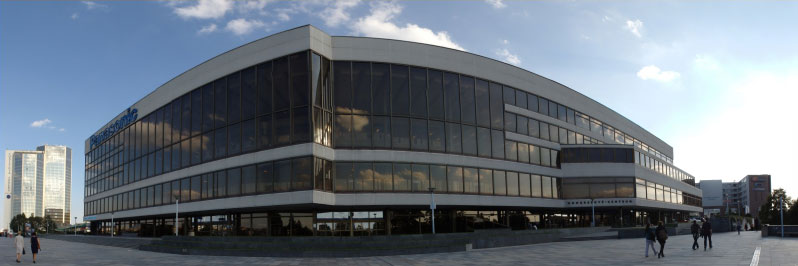
Prague Congress Centre (KCP)
5.května 65140 21 Prague 4
Czech Republic
Phone: +420 261 171 111
Website: www.kcp.cz