



Motivational interviewing in neuropsychology: from insight to action
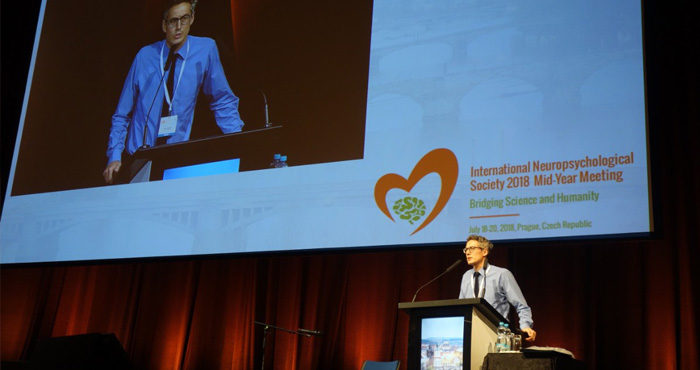
The 2018 International Neuropsychological Society mid-year meeting in Prague connected advances in brain science with compassionate, practical patient care. Within that setting, a workshop on motivational interviewing in neuropsychology addressed a central clinical challenge: patients may understand their cognitive or neurological difficulties yet remain uncertain, ambivalent, or unable to change daily behavior.
Motivational interviewing offers a collaborative communication method for handling that gap. Rather than directing a patient toward compliance, the clinician evokes the person’s own reasons for change, supports autonomy, and strengthens confidence through achievable steps. This approach can complement neuropsychological assessment, rehabilitation, psychotherapy, and health behavior counseling.
Its value is especially clear when memory loss, executive dysfunction, fatigue, depression, cultural expectations, or reduced insight affect treatment participation. A sensitive conversation can turn assessment findings into a shared plan that feels realistic, respectful, and personally meaningful.
Why motivation matters in clinical neuropsychology
Neuropsychological recommendations often require sustained effort. Patients may need to use external memory aids, attend rehabilitation sessions, modify sleep habits, manage medication routines, or accept assistance with complex tasks. Knowing what to do does not guarantee that a person feels ready or able to do it.
Motivational interviewing treats ambivalence as useful clinical information rather than resistance. A patient who says, “I want to be independent, but I hate using a planner,” is expressing competing priorities. Reflective listening helps the clinician explore both sides, while open questions and summaries allow the patient to identify which goals matter most.
Core communication skills for assessment and rehabilitation
The workshop emphasized the spirit of motivational interviewing: partnership, acceptance, compassion, and evocation. These principles are particularly relevant to neuropsychology, where clinicians hold specialized knowledge and patients may feel judged by test scores or functional limitations.
Open-ended questions encourage elaboration, while affirmations recognize effort and personal strengths. Reflective statements demonstrate accurate listening without arguing. Summaries organize complex information and can help patients with attention or memory difficulties retain the direction of the conversation. The clinician’s language should remain clear, concrete, and paced to the patient’s processing capacity.
Change talk is another important concept. Statements expressing desire, ability, reasons, need, or commitment can be gently developed through follow-up questions. Instead of insisting that a patient follow recommendations, the practitioner might ask what benefit a strategy could provide and what small experiment would be acceptable this week.
Applying the method across common patient needs
Motivational interviewing is flexible enough to support different neuropsychological populations and treatment goals. Its use should be adapted to cognitive status, communication style, emotional state, family involvement, and cultural context rather than applied as a rigid script.
| Clinical situation | Helpful focus | Example direction |
|---|---|---|
| Reduced insight after brain injury | Explore discrepancies safely | Connect valued roles with observable daily patterns |
| Memory impairment | Simplify choices and reinforce recall | Agree on one concrete cue or routine |
| Low rehabilitation engagement | Elicit personal reasons for participation | Ask what improvement would make therapy worthwhile |
| Medication or lifestyle concerns | Respect autonomy and ambivalence | Weigh perceived benefits, costs, and confidence |
| Family conflict about care | Include perspectives without coercion | Define shared goals and the patient’s preferred support |
Cultural humility is essential. Views about disability, family responsibility, independence, authority, and healing vary widely. A culturally responsive clinician checks assumptions, uses preferred language, and considers whether a recommendation fits the patient’s home environment. When appropriate, family members can participate while the patient’s voice and decision-making rights remain central.
Moving from conversation to measurable goals
A productive session should end with a practical next step, not simply a positive discussion. Goals can be scaled to match executive functioning and energy. “Use a notebook every day” may become “place the notebook beside the breakfast cup and record the first appointment each morning.”
Confidence rulers, brief scaling questions, and implementation plans can make readiness visible. If confidence is low, the clinician can reduce the task, identify barriers, or invite the patient to choose an alternative. Reviewing outcomes at the next visit turns behavior change into a collaborative learning process rather than a pass-or-fail test.
This approach also supports documentation. Clinicians can record the patient’s stated values, change talk, chosen action, anticipated obstacles, and follow-up plan. Such notes connect therapeutic communication with functional outcomes and make progress easier to evaluate.
Practical preparation for clinicians
Before using motivational interviewing, practitioners benefit from reviewing their own communication habits. Advice-giving, correcting inaccurate beliefs, or filling silence too quickly can unintentionally reduce autonomy. A brief pause often creates space for the patient to identify a reason for change in their own words.
Conference participation also involves practical planning. Attendees reviewing the Prague meeting’s travel arrangements could consult the accommodation information alongside the scientific program, workshops, and venue details. That same attention to logistics reflects a broader clinical principle: successful participation depends on reducing avoidable barriers.
Recommendations for workshop-based practice
- Use one open question before offering education or advice.
- Reflect ambivalence accurately instead of labeling it as noncompliance.
- Ask the patient to select a small, observable action.
- Adapt written plans to memory, attention, language, and cultural needs.
- Revisit confidence and barriers at the next appointment.
Building a humane bridge to behavior change
A motivational interviewing workshop in neuropsychology illustrates how scientific expertise and humane care can reinforce each other. Cognitive test results remain valuable, yet their clinical impact grows when patients can connect findings with their own priorities and make decisions without shame or pressure.
The method is also compatible with interdisciplinary care. Neuropsychologists, rehabilitation therapists, physicians, nurses, social workers, and family caregivers can use consistent language to support autonomy and strengthen treatment engagement. Practiced carefully, these conversations transform recommendations into negotiated goals.
Clinicians and trainees can begin by practicing reflective listening, identifying change talk in ordinary appointments, and selecting one behavior to explore collaboratively. Carry those skills into assessment feedback and rehabilitation planning so that every recommendation becomes an opportunity for partnership.
General Information
Important information about the meetingIndustry
Support and exhibition opportunitiesCzech Republic
Beautiful country situated in the very heart of EuropeContact
How can we help you?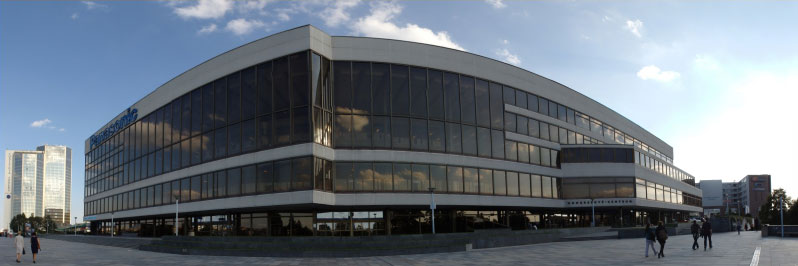
Prague Congress Centre (KCP)
5.května 65140 21 Prague 4
Czech Republic
Phone: +420 261 171 111
Website: www.kcp.cz