




Health-Literate Neuropsychological Reports for Australian Care
Neuropsychological reports translate complex assessment findings into decisions about treatment, education, work, disability support and everyday safety. When the language is difficult to interpret, a technically accurate document can still fail the person who needs it most. Health literacy therefore belongs at the centre of clinical communication, rather than being treated as an optional editing step.
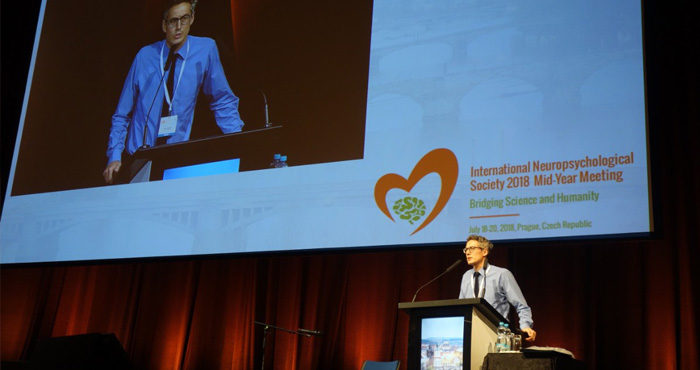
Addressing health literacy in neuropsychological report writing means considering who will read the report, what they need to decide and how stress, culture, language or cognitive impairment may affect their understanding. The principle suits the humane, clinically grounded approach associated with the International Neuropsychological Society meeting in Prague, where scientific progress was connected with patient care and cultural awareness.
Start With The Reader’s Decisions
A report should explain the purpose of the assessment in terms that make sense to the person, family or service receiving it. Instead of beginning with a long list of tests, the writer can state whether the assessment is intended to clarify memory changes, guide rehabilitation, support school adjustments or inform an NDIS application.
Different readers require different levels of detail. A neurologist may need psychometric patterns and diagnostic reasoning, while a parent may need to know why a child becomes overwhelmed in noisy classrooms. A person applying for disability support may need clear descriptions of functional impact, recommended supports and likely barriers to participation.
Use Plain Language Without Losing Precision
Plain English is not the same as vague English. Terms such as “executive dysfunction”, “reduced processing speed” and “verbal learning weakness” can be retained when they are explained immediately. For example, “reduced processing speed means that the person may need extra time to understand information and respond” gives the reader a practical interpretation.
Short paragraphs, informative headings and direct sentences improve readability. Replace “the results are suggestive of difficulties in the domain of working memory” with “the results indicate difficulty holding and using information for a short period”. Define abbreviations at first use, avoid unnecessary test codes and place the most important functional findings near the beginning.
Connect Scores With Everyday Function
Standard scores and percentiles are valuable, but numbers rarely explain what support will look like. A report should connect results with observable situations, such as forgetting medication instructions, losing track of conversations or struggling to manage several steps at once. Where appropriate, include the person’s own account and relevant observations from family, teachers or support workers.
Recommendations should be specific enough to use. “Provide cognitive strategies” is less helpful than “give written instructions in three steps, allow additional response time and check understanding by asking the person to explain the plan in their own words”. In Australia, recommendations may need to align with school learning plans, workplace adjustments, Medicare-funded care or NDIS goals.
Account For Culture, Language And Place
Cultural identity can influence communication styles, help-seeking, family roles and the meaning attached to disability. A culturally responsive assessment considers whether translated materials, an accredited interpreter or consultation with a cultural liaison worker is needed. Family involvement should be negotiated respectfully rather than assumed, particularly when confidentiality and decision-making expectations differ.
These issues are especially important across multicultural Sydney and Melbourne, as well as in Aboriginal and Torres Strait Islander communities and rural or remote regions where specialist services may be limited. Clinicians can deepen their practice by considering cross-cultural ethics, including the risks of applying imported norms or interpreting unfamiliar behaviour through a narrow clinical lens.
Make Reports Accessible In Practice
Accessibility includes format, timing and delivery. Offer a brief plain-language summary alongside the technical report, use readable fonts and sufficient spacing, and provide information in the person’s preferred format where feasible. A face-to-face or telehealth feedback session can clarify findings, correct misunderstandings and give the person an opportunity to identify priorities.
For people living outside Brisbane, Perth or other major centres, telehealth may reduce travel but can introduce privacy, internet and digital literacy problems. Reports should state who received feedback, what was understood and what follow-up is required. If an interpreter was used, document the arrangement without placing responsibility for clinical explanation on a family member.
Build Review Into Clinical Quality
A health-literate report benefits from a deliberate review before release. Check whether the purpose is clear, whether each technical term is explained, whether recommendations are linked to evidence and whether the wording could be read as blaming the person. Distinguish test performance from assumptions about motivation, intelligence or character.
Feedback from consumers and referrers can reveal barriers clinicians miss. Australian practices may invite comments through a brief satisfaction process, consult Aboriginal health services or review whether recommendations are realistic for regional providers. Clear documentation strengthens collaboration between neuropsychologists, GPs, allied health teams, schools, families and support coordinators while preserving the person’s dignity.
General Information
Important information about the meetingIndustry
Support and exhibition opportunitiesCzech Republic
Beautiful country situated in the very heart of EuropeContact
How can we help you?
Prague Congress Centre (KCP)
5.května 65140 21 Prague 4
Czech Republic
Phone: +420 261 171 111
Website: www.kcp.cz