




Neuropsychological functioning in POTS
Neuropsychological functioning in patients with postural tachycardia syndrome (POTS) is often shaped by dizziness, fatigue, presyncope and brain fog. People may experience an exaggerated heart-rate response to standing, while attention, working memory, processing speed and executive control become difficult to sustain.
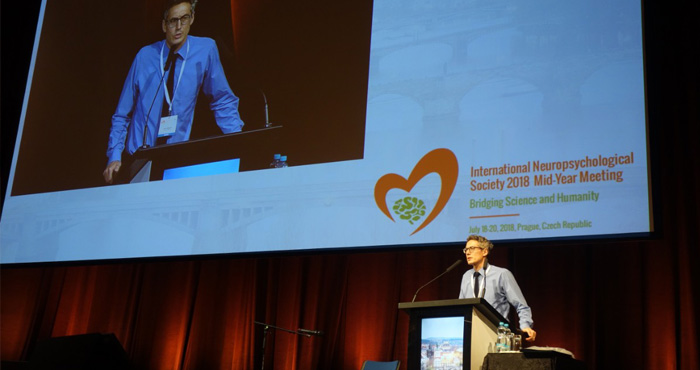
Research presented at the INS 2018 meeting in Prague connected autonomic neuroscience with clinical assessment and humane care. For Australian readers, that multidisciplinary perspective remains useful: POTS should be investigated across vascular, sleep, psychological and functional pathways rather than attributed to anxiety alone.
| Clinical pattern | Typical response | Key distinction |
|---|---|---|
| POTS | Sustained heart-rate increase on standing with orthostatic symptoms | There is no sustained blood-pressure fall sufficient to explain the symptoms |
| Orthostatic hypotension | Blood-pressure decrease on standing | Dizziness, weakness or syncope may dominate, although heart rate can also rise |
| Anxiety or panic | Tachycardia, breathlessness and dizziness, often in particular contexts | A reproducible orthostatic heart-rate pattern is not required |
Cognitive patterns and daily impact
People with POTS commonly describe slowed information processing and greater effort required to sustain attention. Difficulty shifting attention, working memory load and executive task performance can follow poor sleep, low stamina or fluctuations in cerebral blood flow. A poor score on a one-off cognitive screen therefore needs context rather than an immediate label of dementia.
Anxiety, depression, post-traumatic stress and sleep disorders frequently coexist with autonomic symptoms and can amplify perceived cognitive difficulty. Conversely, anxiety-related alertness may help someone compensate during testing. Comprehensive evaluation should compare test performance with daily function, symptom timing, mood, sleep and medication effects.
Assessment beyond symptom checklists
Assessment starts with a clear orthostatic history, lying and standing heart rate and blood pressure, ECG, physical examination and targeted blood tests. A qualified clinician should review medications, hydration, meals, exercise, menstrual health and recent illness before considering POTS or a differential diagnosis.
Neuropsychological assessment can map processing speed, attention, memory, language and executive skills, while screening for depression, anxiety and sleep disturbance. Testing is most informative when fatigue and symptoms are stable enough for effort to be sustained, and when interpretation accounts for education, language and cultural background.
Although focused on esophageal surgery rather than POTS, a global review of elective surgery disruption documents how COVID-19 delayed planned care. The lesson for services is that interrupted referrals and diagnostic pathways can prolong uncertainty in people with complex, multisystem symptoms.
Navigating care in Australia
Access usually begins with a general practitioner, who can arrange specialist referral within Medicare’s public system or refer to a private cardiologist or autonomic specialist. Public waiting times vary, and Medicare rebates, telehealth consultations and private allied-health services help patients navigate those delays.
Australian conditions make pacing practical. Hot days in Sydney and Melbourne can worsen fluid balance and fatigue, while crowded trains, standing queues and long urban commutes can trigger symptoms. Seated travel, air-conditioned indoor spaces and carrying water can reduce exposure, although fluid intake should follow individual clinical advice.
Medication regulation and subsidy are national: the Therapeutic Goods Administration assesses safety and quality, while the Pharmaceutical Benefits Scheme subsidises eligible medicines. Patients can compare supplement claims with a pharmacist and avoid products with no established role in autonomic care.
Brain-body treatment strategies
Management commonly combines a POTS-informed, gradually progressed exercise programme with clinician-guided fluid and salt advice, compression garments, careful meal planning and strategies for heat. Some people begin exercise recumbent, then increase upright duration and intensity while monitoring heart rate, symptoms and recovery.
Sleep and psychological care are equally important. Treating insomnia, pacing activity and using cognitive behavioural therapy or acceptance-based therapy can reduce fear of standing, improve coping and protect participation in education or work. These approaches address disability and distress; they do not imply that autonomic symptoms are imagined. Medication choices, including agents that influence blood pressure or vascular tone, require specialist oversight and monitoring.
Functional support and the INS legacy
Practical accommodations can include flexible work or study hours, written prompts, reduced cognitive load, frequent breaks, accessible seating and remote attendance. Eligible Australians may seek support through the National Disability Insurance Scheme, while health information remains protected by Australian privacy law and the Australian Privacy Principles.
The archived INS 2018 registration page records how delegates accessed information about the July 18–20 meeting, including the scientific programme, posters, continuing education workshops, Prague venue and transport. The wider INS 2018 site also preserved a photo gallery reflecting the meeting’s emphasis on collaboration.
The enduring lesson is that cardiovascular symptoms, brain function and everyday participation should be assessed together. A diagnosis without functional guidance can leave people managing uncertainty alone, whereas coordinated medical, psychological and occupational care can support education, employment and a more sustainable daily routine.
General Information
Important information about the meetingIndustry
Support and exhibition opportunitiesCzech Republic
Beautiful country situated in the very heart of EuropeContact
How can we help you?
Prague Congress Centre (KCP)
5.května 65140 21 Prague 4
Czech Republic
Phone: +420 261 171 111
Website: www.kcp.cz