





The amygdala and emotional memory in Alzheimer’s disease
Alzheimer’s disease is often described as a disorder of recall, yet changes in feeling can be among its earliest and most disruptive symptoms. The amygdala helps attach emotional significance to experiences, linking threat, reward and arousal with the systems that encode memories.
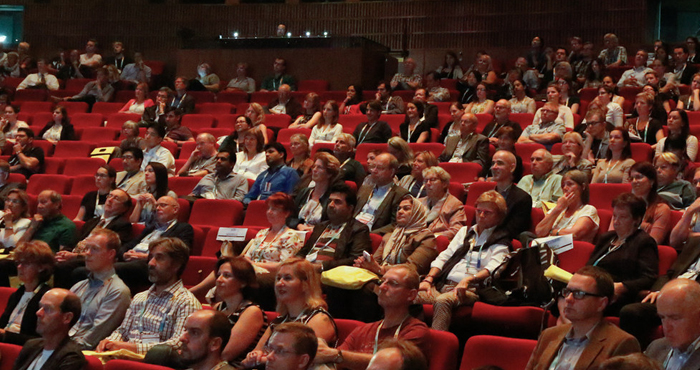
The INS 2018 meeting in Prague, Czech Republic, from 18 to 20 July 2018, placed this clinical tension near the centre of neuropsychology: scientific findings should improve care without reducing people to scan results or diagnostic labels. Its programme covered neuroscience, culture and practical treatment.
Emotional memory in Alzheimer’s disease is not a single faculty. It includes conditioned fear, the vivid recall of meaningful events, and the speed with which a face or place evokes bodily responses. These processes can weaken at different rates.
For Australian clinicians and carers, the task is to recognise meaningful patterns while respecting individual history and cultural context. Brain imaging can inform questions, but it cannot by itself explain behaviour or determine what support a person needs.
How emotion shapes memory
Emotional arousal can strengthen later recall by engaging amygdala–hippocampal feedback. During encoding, salient events may be represented more strongly; during retrieval, emotional cues can reopen networks associated with the original event.
In Alzheimer’s disease, the direction of these effects is complex. Some emotionally charged memories remain accessible, while overgeneralised fear, distress or difficulty recognising safe contexts may increase as episodic memory deteriorates.
The amygdala within Alzheimer’s networks
The amygdala does not store an entire memory. It interacts with the hippocampus, entorhinal cortex and prefrontal regions to influence attention, consolidation and appraisal. Amyloid and tau-related changes in these connected networks can therefore alter emotional learning without a single “amygdala lesion”.
A useful account separates emotional salience from emotional understanding. A person may show a strong autonomic response before recalling the event, yet have limited conscious knowledge of what occurred. Conversely, accurate narration may coexist with intense anxiety.
Why emotional-memory findings vary
Differences in disease stage, task design, language, mood and the interval between learning and recall can produce inconsistent results. Brain imaging adds constraints: amygdala activity may reflect attention or task demands rather than a uniquely emotional process.
Cultural interpretation also matters. Expressions, eye contact and the meaning of fear vary across communities, so a response clinicians label “overreaction” may be interpreted differently within a family or social group. This is especially important in Aboriginal and Torres Strait Islander communities, where assessment should be community-led and supported by local Aboriginal health organisations.
Translating evidence into humane care
Assessment should combine neuropsychological testing with interviews from the person and their carer, observations of sleep and pain, and review of delirium, depression, medication effects and sensory loss. Australian memory clinics often coordinate occupational therapy, social work and nursing, making a multimodal view essential.
In Melbourne, Sydney and other cities, multidisciplinary services can use brain imaging alongside functional history. In regional areas, telehealth and a general practitioner’s referral may be the practical route to specialist assessment. Australian families often call their supporting relative a carer and navigate help through memory clinics, respite and aged care.
Medicines, comorbidity and clinical judgement
No medicine has been established to restore amygdala-mediated emotional memory in Alzheimer’s disease. Cholinesterase inhibitors, antidepressants and non-pharmacological strategies may address defined symptoms, but treatment should follow individual diagnosis, goals and tolerability.
For someone taking clopidogrel for cardiovascular reasons, a clopidogrel dosage overview can provide background for questions to a pharmacist. It is an antiplatelet drug, not a treatment for dementia; any change belongs with the treating clinician, especially where anticoagulants, bleeding risk or surgery are involved.
Access also reflects Australian healthcare: a general practitioner’s referral is commonly needed for specialist memory assessment, Medicare subsidises many visits, and the Pharmaceutical Benefits Scheme helps with listed medicines, although bulk-billing is not guaranteed.
Priorities for research and clinical practice
Future studies should report disease stage, mood, sleep, medication and language alongside imaging and memory scores. Longitudinal work is especially valuable because emotional change may precede obvious episodic-memory decline.
Participating families should help define which outcomes count, rather than treating emotional distress solely as a measurement problem.
- Pair amygdala measures with episodic and autobiographical memory tasks.
- Include mood, sleep, pain, medication and delirium in study records.
- Involve Aboriginal and Torres Strait Islander communities through community-governed research.
- Recruit culturally and linguistically diverse Australian cohorts.
- Combine laboratory findings with repeated carer observations.
- Build staff training that links assessment with practical, humane support.
From Prague to Australian practice
The INS 2018 programme captured the meeting’s aim of connecting scientific advances with humane patient care. Australian delegates who used the INS 2018 site for travel could consult Prague hotel details alongside the scientific programme and venue information.
Translation should remain practical: a promising biomarker needs replication, accessible assessment and a clear benefit for daily life.
| Measure | What it reveals | What it may miss |
|---|---|---|
| Amygdala imaging | Engagement with emotional-salience networks | Conscious experience and personal meaning |
| Delayed emotional recall | Which arousing events remain accessible | Autonomic responses occurring without awareness |
| Carer observations | Changes in fear, avoidance and daily distress | Private experiences that are not communicated |
| Clinical scales | Changes in mood and behaviour | Cultural interpretation and individual priorities |
For families in Australia, the most useful endpoint is often a calmer, safer day, better communication or preserved enjoyment. That patient-centred outcome keeps amygdala science connected to the dignity of the person living with dementia.
General Information
Important information about the meetingIndustry
Support and exhibition opportunitiesCzech Republic
Beautiful country situated in the very heart of EuropeContact
How can we help you?
Prague Congress Centre (KCP)
5.května 65140 21 Prague 4
Czech Republic
Phone: +420 261 171 111
Website: www.kcp.cz