




Brain, Mood and Everyday Life in Adult Epilepsy
Cognitive and emotional functioning in adults with epilepsy can influence how people work, study, travel, maintain relationships and make sense of their health. Seizures may interrupt attention or memory, while antiseizure medicines, sleep disruption and fatigue can add difficulties. The experience can also include anxiety, low mood, embarrassment or stigma, although the pattern differs considerably between individuals.
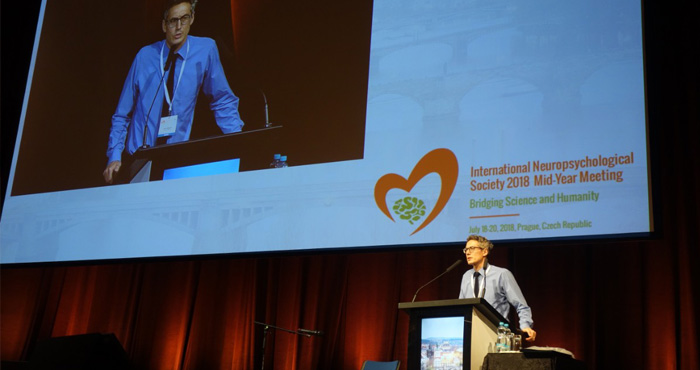
The INS 2018 mid-year meeting in Prague, held from 18 to 20 July, brought researchers and clinicians together around neuroscience, cultural context and humane patient care. Its programme, posters and continuing education resources reflected a shared aim: connect scientific findings with decisions that respect each person's goals, history and daily reality.
For Australian adults, translating this knowledge involves a particular mix of public services, private specialists and community organisations. A practical understanding of cognition, mood and treatment side effects can help people ask for suitable support while clinicians avoid treating a diagnosis as a complete explanation of ability or identity.
A Profile of Strengths and Challenges
Neuropsychological assessment can describe strengths as well as areas of vulnerability. Depending on the epilepsy syndrome and seizure pattern, a person may have difficulties with sustained attention, processing speed, learning, memory, language or executive skills. Education, language, age and other health conditions matter, so scores should be interpreted as a profile rather than a label.
Mood and emotion are equally central. Anxiety, depressive symptoms, irritability and social withdrawal may accompany epilepsy, arise from medication effects, or follow experiences of loss of control and discrimination. Asking what happened during and after seizures, and how symptoms affect work or relationships, often adds useful detail to a single questionnaire.
Assessment Beyond a Test Score
A useful assessment combines interviews, standardised measures and information from a person who knows the patient well. Tests may examine memory, attention, language and executive functions, while rating scales explore anxiety, depression, fatigue and perceived cognitive change. Repeated testing can clarify whether a difficulty is stable or varies with sleep, mood or medication cycles.
Assessment should also consider the context in which performance occurs. A person may manage familiar tasks well but struggle when interrupted, rushed or asked to learn unfamiliar material. Clinicians should record relevant medicines, recent seizure activity, sleep patterns, alcohol or other substance use, and hearing or vision problems before interpreting results.
Treatment, Sleep and Self-Management
Antiseizure medicines can reduce seizures, yet some people experience drowsiness, slowed thinking, mood changes or changes in appetite. Reviews should therefore consider cognitive and emotional effects alongside seizure control, using a reported example such as missing a morning dose because of sedation or finding it difficult to remember whether a dose was taken. Medication changes belong with the treating team.
In Australia, Medicare subsidises many medical consultations and the Pharmaceutical Benefits Scheme helps with many prescribed medicines. Specialist visits, scripts and some diagnostic services still carry costs, while travel and waiting times can be significant for people outside major cities. Shared decisions about timing, side effects and affordable routines support adherence more effectively than assuming forgetfulness is the only cause.
Work, Driving and Everyday Independence
Driving is a practical concern for many adults with epilepsy. Victoria, New South Wales, Queensland and other jurisdictions apply their own licensing rules, including seizure-free periods, medical documentation and separate provisions for commercial or passenger drivers. People should check the current rules for where they live or drive and discuss how a diagnosis affects licensing with their neurologist.
Employment and community participation also depend on energy, predictability and access to supports. In Melbourne, Sydney and Brisbane, lengthy commutes and crowded public transport can magnify fatigue or create additional risk after seizures. Workplace adjustments, transport options and planned rest periods may matter as much as clinical scores when judging whether a person can safely and sustainably participate.
Culture, Communication and Equitable Care
Culture shapes how people describe memory lapses, fear, shame and family responsibility. Australian services increasingly work with people from many linguistic backgrounds, and a professional interpreter can prevent subtle differences in language from being mistaken for cognitive impairment. Questions about who should be involved in care, including family or trusted community members, should follow the patient's preferences. Educational discussions benefit from habits associated with thought leader qualities, including listening carefully, explaining complex ideas plainly and valuing lived expertise.
Aboriginal and Torres Strait Islander patients may encounter barriers created by services designed around short visits and Western clinical categories. Culturally safe care involves listening to local knowledge, avoiding assumptions about the causes of seizures, and allowing time for trusted relationships to develop. In rural and remote areas, telehealth can connect people with specialists, but reliable internet, clinical support and local health workers remain important.
Evidence in the Clinic and Community
The INS 2018 speaker instructions page illustrates the value of setting a clear audience, scope and purpose for complex presentations. The same discipline benefits clinical care: research findings should be explained in plain language, uncertainty should be acknowledged, and the person's own priorities should remain visible in every recommendation.
Those involved in public education or multidisciplinary leadership can compare their communication habits with thought leader qualities while keeping clinical evidence and patient experience separate from promotion. Across neurology, psychology, pharmacy, primary care and community support, the most useful outcome is a person who feels understood, participates in decisions and can pursue meaningful daily roles.
General Information
Important information about the meetingIndustry
Support and exhibition opportunitiesCzech Republic
Beautiful country situated in the very heart of EuropeContact
How can we help you?
Prague Congress Centre (KCP)
5.května 65140 21 Prague 4
Czech Republic
Phone: +420 261 171 111
Website: www.kcp.cz