



The Influence of Multilingualism on Executive Function in Aging
Speaking more than one language throughout life may shape how the ageing brain manages attention, inhibition, working memory and mental flexibility. These abilities, often grouped under executive function, support everyday tasks such as planning medication, changing routines and making safe financial decisions.
Research presented in neuropsychology forums has increasingly examined bilingualism alongside education, occupation, social engagement, health and cultural identity. The relationship is complex: language experience may strengthen some cognitive habits, while reduced language use, hearing loss or neurological disease can alter performance in later life.
How Language Experience Engages The Brain
Using two or more languages requires frequent decisions about vocabulary, grammar and conversational context. A multilingual speaker may suppress one language while selecting another, monitor the listener’s comprehension and shift between systems within seconds. These repeated acts can recruit inhibitory control, selective attention and cognitive flexibility.
This does not mean that every bilingual or multilingual person will have superior executive skills. Age of language acquisition, proficiency, frequency of use, literacy and the social setting all matter. Someone who uses Mandarin at home, English at work and Cantonese with relatives has a different cognitive history from someone who learned a second language in school but rarely speaks it.
Evidence From Executive Function Research
Studies of older adults have produced mixed results. Some report advantages in task switching, conflict monitoring or delayed cognitive decline, while others find small or inconsistent effects after accounting for education, socioeconomic status and immigration history. Differences in testing methods also make direct comparisons difficult.
A fair assessment should examine several domains rather than treating bilingualism as a simple protective factor. Verbal fluency may be slower in one language because vocabulary is distributed across languages, even when reasoning and everyday problem-solving remain strong. Cultural familiarity with testing instructions can also influence scores.
Multilingual Ageing In Australian Communities
Australia’s ageing population includes people who use Mandarin, Arabic, Vietnamese, Greek, Italian, Punjabi and many other languages at home. In Sydney and Melbourne, an older person may switch languages between family gatherings, English-speaking medical services and community groups. That pattern of daily use can provide rich cognitive stimulation while also creating uneven vocabulary across settings.
Local habits matter when clinicians interpret executive function. An older Australian may organise medicines around visits to a GP, use an Opal card in Sydney or a myki card in Melbourne, and rely on adult children to interpret health information. These routines test planning and independence in ways that a brief laboratory task may not capture.
Assessment Requires Cultural Care
Neuropsychological testing should record which language was used at home, school and work, along with literacy, migration age and the person’s strongest language today. Professional interpreters are preferable to relatives, particularly when discussing memory loss, capacity or changes in behaviour. Informal translation can conceal symptoms or unintentionally lead the patient towards an answer.
Australian services must also consider legal and ethical duties around informed consent, privacy and equitable access. The National Safety and Quality Health Service framework supports communication that patients can understand, while the Privacy Act 1988 places limits on how personal health information is handled. These safeguards are essential when family members speak several languages.
Brain Reserve And Cognitive Health
Multilingualism may contribute to cognitive reserve, the capacity to cope with age-related brain changes while maintaining everyday function. Other possible contributors include education, meaningful employment, physical activity, social contact and control of vascular risks such as hypertension and diabetes.
The benefit is best understood as part of a wider life history. Regular conversation with grandchildren, reading in two scripts, attending a cultural association and navigating different social expectations may keep attention active. Yet these activities cannot guarantee protection from Alzheimer’s disease or other neurodegenerative conditions.
Clinical Context And Wider Neuroscience
Executive difficulties can arise from stroke, traumatic brain injury, Parkinson’s disease or dementia, and language background can affect how symptoms appear. A person may lose access to one language first, retain familiar expressions or show stronger performance in the language used with close family. Clinicians therefore need information from relatives and observations of real-world functioning.
Neuropsychology also benefits from dialogue with other medical fields, where treatment evidence must be interpreted carefully before entering practice. For example, a discussion of cryoablation evidence illustrates how specialised clinical findings should remain connected to diagnosis, patient selection and outcomes rather than being treated as universal solutions.
Applying Findings To Care In Australia
For aged-care providers, multilingual support can include translated cognitive-health materials, bilingual staff and activities that allow residents to use familiar languages. Services working under Australia’s aged-care system should avoid assuming that English performance reflects overall reasoning ability. A culturally responsive interview may reveal that a resident manages shopping, transport and family obligations effectively in another language.
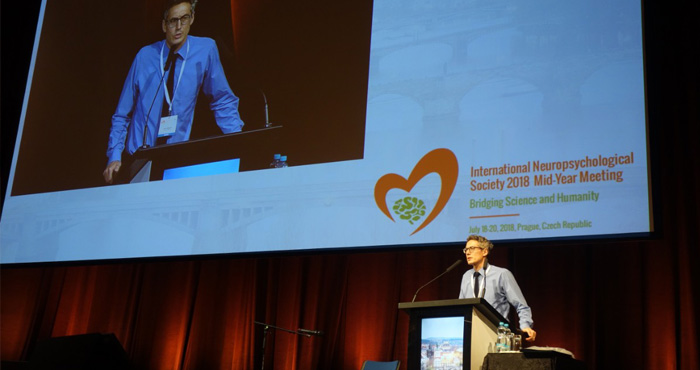
Research meetings and clinical conferences also show how setting shapes professional exchange. Practical arrangements, from finding suitable accommodation through hotel information to reviewing Prague hotel reservations, support the international collaboration through which these questions are studied. The central lesson remains clinically grounded: language history is a key part of understanding executive function in later life, not a demographic footnote.
General Information
Important information about the meetingIndustry
Support and exhibition opportunitiesCzech Republic
Beautiful country situated in the very heart of EuropeContact
How can we help you?
Prague Congress Centre (KCP)
5.května 65140 21 Prague 4
Czech Republic
Phone: +420 261 171 111
Website: www.kcp.cz