



Cultural Bias in Neuropsychological Test Interpretation
Neuropsychological tests offer structured observations of memory, language, attention and executive function. Yet every score passes through a cultural lens shaped by language, schooling, familiarity with test tasks, rapport and examiner expectations.
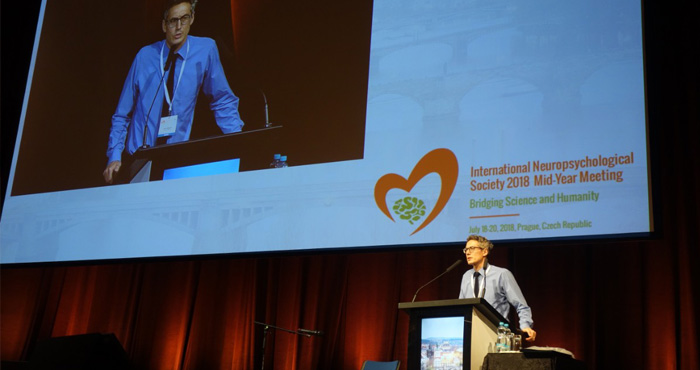
The INS 2018 mid-year meeting of the International Neuropsychological Society in Prague brought researchers and clinicians together around a consequential question: how can scientific advances be translated into humane care? Cultural bias in testing mattered because apparently objective scores can carry unequal meaning.
Australian readers encounter this issue across distinctive settings, from multilingual western Sydney and Melbourne to Aboriginal and Torres Strait Islander communities in Central Australia and regional hospitals. Australian English is generally non-rhotic and sits alongside many local and international accents in everyday assessment.
Good interpretation therefore asks more than whether a result falls below a cut-off. It asks who the normative sample represents, what language and education shaped performance, and which clinical inferences remain justified after context is considered.
Why test scores need cultural context
A test norm is not a universal standard. Many batteries derive cut-offs and comparison groups from populations with particular language, schooling and social histories. Applying those data to a client from another background can turn an unfamiliar task into an apparent deficit.
The error may run in both directions. A highly educated bilingual may appear stronger on verbally loaded tasks, while a school-taught task may underestimate practical reasoning. Confidence intervals, alternate forms and qualitative observations can reveal possibilities but cannot repair a mismatched measure alone.
Language, education and communication
Language is not a nuisance variable to be removed. Bilingual clients may switch languages, retrieve concepts in either language or show uneven vocabulary. Record the language of testing, interpreter use, years of schooling and language domains rather than collapsing them into one score.
Australian clinicians should distinguish communication style from impairment. Non-rhotic speech, unfamiliar idioms or hesitation need not signal dementia, and cultural expectations about eye contact or disclosure may affect engagement. Clinicians seeking broader perspectives can consult Pacific Week resources for cross-cultural learning beyond the clinic.
Working with Aboriginal and Torres Strait Islander clients
Aboriginal and Torres Strait Islander clients may encounter testing shaped by colonial education, disrupted learning pathways and services with little cultural control. Standardised tasks can reproduce those inequities when an assessor treats unfamiliar knowledge as cognitive weakness.
Community-led approaches can change the conditions of assessment. With consent, clinicians can involve family, use local language expertise, explain that the questions are not intelligence probes, and document community protocols. Instruments should be used only with evidence relevant to the person and purpose.
Interpreters should be engaged when needed, with time to build rapport and check understanding. A short, translated consent process may not support nuanced discussion of memory, health or disability. The judgment must recognise both the limits of the test and the expertise clients bring through lived and community knowledge.
A practical framework for reviewing bias
A structured review separates observable performance from culturally loaded explanation. The clinician can document context before consulting the score, then identify which conclusions the evidence actually supports.
Review prompts
- Which language and script were used for each measure?
- Do the norms match the client’s cultural and educational background?
- Could interpretation, fatigue, hearing or rapport have affected performance?
- Which observations are direct, and which depend on cultural assumptions?
Reporting safeguards
- Name the test, version, language and normative reference.
- Describe contextual influences alongside numerical results.
- Include qualitative evidence from tasks, records and collateral history.
- State uncertainty and the need for follow-up when evidence conflicts.
These checks do not make testing culture-free; they make assumptions visible. Explain why a measure is appropriate, record any adaptation, and avoid treating a culturally unfamiliar response as a symptom without corroboration.
Writing reports without deficit framing
Reports should translate scores into clinical hypotheses, not fixed labels. Phrases such as “impaired” or “low average” need evidence, context and a clear relation to function. Where background differs from the norm group, state that limitation beside the finding rather than in a remote disclaimer.
A balanced formulation can retain concern while rejecting deficit framing: describe what was observed, consider neurological and cultural explanations, and explain what would change the diagnosis. Feedback should allow the client and family to correct assumptions about language, schooling or daily functioning.
Clinical pathways in the Australian market
Australia’s service market is mixed. Public hospital memory and allied-health clinics often provide multidisciplinary assessment, while private neuropsychology practices serve GP referrals, insurers and self-funded clients. Medicare rebates may cover eligible referred services, but private charges and gaps can shape access.
NDIS plans may fund assessment when functional and eligibility requirements are met, and private providers often work with schools, Aboriginal Community Controlled Health Organisations and aged-care teams. Ignoring communication access, appointment time and cost can create a barrier before interpretation begins.
Carrying cross-cultural lessons into practice
Poster sessions and clinical workshops at the INS 2018 meeting in Prague, held from 18 to 20 July, highlighted the value of pairing methodological rigour with patient-centred judgment. For attendees planning the meeting, Prague stay options listed accommodation information so travel planning did not consume time available for scientific exchange.
The lasting lesson is that validity belongs to the whole assessment process, not to a score alone. A culturally responsive report records evidence, context and the limits of inference, while treating accuracy and dignity as inseparable clinical goals.
General Information
Important information about the meetingIndustry
Support and exhibition opportunitiesCzech Republic
Beautiful country situated in the very heart of EuropeContact
How can we help you?
Prague Congress Centre (KCP)
5.května 65140 21 Prague 4
Czech Republic
Phone: +420 261 171 111
Website: www.kcp.cz