



Hearing Loss and Cognitive Assessment in Australian Practice
Hearing loss is one of the most under-weighted variables in neuropsychological assessment. It tends to be logged as a sensory detail in the case notes and then quietly allowed to shape the score. In older adults, where age-related hearing impairment is common, the result is a cognitive profile that can look weaker than the thinking it is meant to capture.
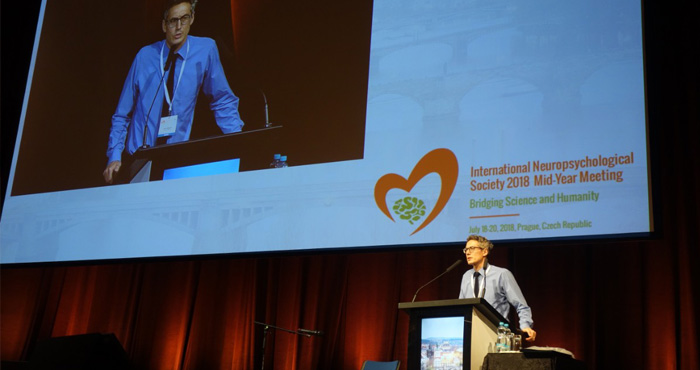
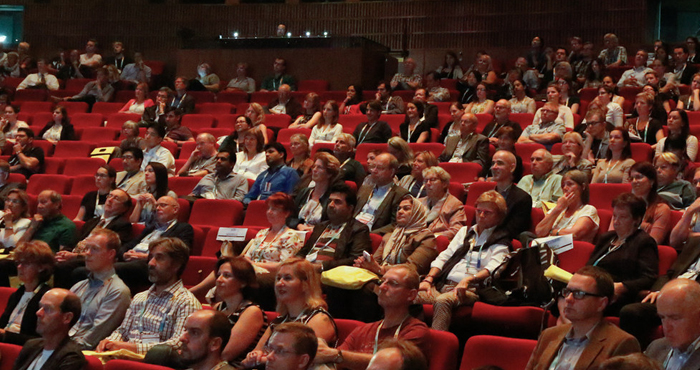
The International Neuropsychological Society's 2018 mid-year meeting in Prague addressed exactly this gap, bringing scientific advances into conversation with humane patient care, cultural considerations and clinical practice. Speakers and posters dealt with how test conditions, cultural context and interpretation affect the numbers clinicians treat as fact.
Australian clinicians have particular cause to attend to the issue. The Australian Institute of Health and Welfare reports that around one in three adults over 65 experience hearing difficulties, that hearing impairment ranks among the leading causes of disability in the community, and that the burden falls hardest in regional and remote areas where services are thin.
What follows sets out what the evidence implies for practice here: how hearing loss skews a cognitive battery, what good administration looks like, and where Australian legislation, funding and daily noise complicate the picture.
Why Hearing Loss Distorts Cognitive Scores
Decoding speech is effortful work. When auditory input degrades, the brain recruits additional resources to fill in missing acoustic information, and those resources come out of the same pool that supports working memory, attention and processing speed. Tasks with a heavy verbal component — list learning, digit span, verbal fluency, delayed story recall — suffer first, while visually presented tasks hold up comparatively well.
That asymmetry is diagnostically dangerous. Weak verbal recall alongside intact visual construction can be read as the classic signature of amnestic mild cognitive impairment or early Alzheimer's disease, when a more parsimonious explanation is that the word list was never heard clearly enough to encode. Conversely, a confident older adult with moderate loss may under-report difficulties, producing a falsely reassuring profile.
Cohort studies add a second reason to take the variable seriously: cochlear and age-related hearing impairment is associated with faster cognitive decline and elevated dementia risk. Whatever the mechanism, an uncorrected hearing status inflates the apparent prevalence of impairment in the population where the consequences are greatest.
Testing Conditions That Decide the Outcome
Administration matters as much as the instrument. Whether a test runs face to face, by telehealth or on a remote testing platform changes the sound field, the visual cues and the ability to repeat instructions. Headphones versus free-field speakers, audiometric masking thresholds, and whether the patient wears aids during testing all alter what a score means.
Hearing also sits inside an auditory-vestibular system that feeds balance and postural control. Rehabilitation literature documents how degraded auditory input raises dual-task cost and fall risk in older adults, and that work is well represented in the JSPT journal archive. For neuropsychologists working alongside physiotherapists, that is a reminder to ask about the vestibular side of a patient rather than treating the ear as a standalone organ.
Simple adjustments follow. Book a quiet room away from loading docks, keep sessions short and schedule them in the morning, ask people to bring aids and a spare battery, present instructions visually as well as verbally, and allow repeat demonstrations instead of re-reading under the same degraded conditions.
Cultural Blind Spots and Auslan-Speaking Patients
The distinction between a culturally Deaf person who uses Auslan as a first language and a hearing-impaired person who acquired loss later is not cosmetic: it changes what counts as a valid language of assessment. An English-normed verbal battery measures a monolingual signer's English inaccurately, and translated test versions are not automatically comparable to their originals.
Interpreters change administration as well. A skilled Auslan interpreter presents instructions with different cadence and length than a clinician reading a script, which alters exposure to verbal and spatial demands and adds time to a test already sensitive to fatigue. Accredited interpreters are thin outside metropolitan centres and outside business hours, so booking one is a scheduling task to begin early.
Alongside this sits the health of Aboriginal and Torres Strait Islander children, where recurrent otitis media with effusion causes conductive loss in some of the country's most remote communities. A child who cannot hear at school cannot be assessed fairly on verbally mediated classroom tasks. Culturally safe practice and community-controlled services belong in the assessment plan.
Australian Cities, Workplaces and Everyday Noise
The acoustic environment of a clinic is rarely neutral. In Melbourne, trams run along Swanston Street and construction moves through inner suburbs; in Sydney, light rail vehicles work the George Street corridor and the bridge approach adds low rumble; in Brisbane and Adelaide, summer traffic and outdoor hospitality venues raise the baseline. Rooms facing main roads can sit above 35 dBA, which is where whispered instructions disappear.
Daily habits amplify this. Australians spend much of the week in cafés, pubs, gyms and on public transport, often wearing headphones for part of each day. Workplaces add load: call centres, workshops, agriculture and construction expose workers to noise above the mandatory exposure standard, and Safe Work Australia's hearing protection rules assume a fitted aid can be used, which fails with severe loss.
This changes who arrives for assessment and what they bring. Australia has one of the highest per-capita rates of cochlear implantation in the world, so growing numbers of cognitive assessments now involve device users whose listening under test conditions differs markedly from everyday function.
Legislation, Funding and the Local Hearing Market
Funding here is generous but fragmented. The National Disability Insurance Scheme funds hearing supports for eligible participants, with plan management and service agreements shaping how quickly someone reaches an audiologist. Older Australians are served through the Hearing Services Program, administered by Hearing Australia, which supports assessment, aids and rehabilitation under the pensioner and institutional concessional schemes. Aged care providers work under the Aged Care Quality Standards, where hearing and communication needs appear in care planning.
The market shapes access as much as the rules do. Australia's audiology sector is unusual in that audiologists generally provide the service directly rather than through a dispensing model, with large private groups such as Audika, Audionetics and Bay Audiology sitting beside independent practices. Medicare also funds telehealth items for audiology assessment, which matters for rural catchments where a face-to-face appointment may involve a flight.
Data gathered along the way falls under the Privacy Act 1988 and the Australian Privacy Principles, with hearing and cognitive information treated as sensitive health information. Clinicians collecting audiograms, plans and device histories should be clear about who sees them, how long they are kept and how they reach referring clinicians.
Recommendations for Australian Clinicians
The Prague meeting mattered for a practical reason: it put measurement in the same room as care, and gathered clinicians working on very different service systems. Australian delegates who presented there needed a Schengen visa and confirmed passport validity well ahead of July, following the organisers' published visa and passport guidance for attendees. The Association of Clinical Neuropsychologists' continuing development requirements offer a comparable local route into this evidence.
- Record hearing status, audiogram date and device use before testing, and ask again rather than accepting a shrug.
- Reserve a quiet, booked room, use assistive listening where available, and present instructions visually as well as verbally.
- Treat verbally mediated scores as provisional in a hearing-impaired patient, and decline to diagnose amnestic impairment from a verbal recall task alone.
- Book a trained Auslan interpreter early, and note what changes the interpreter brings to test language and exposure.
- Ask about occupational and recreational noise exposure, and screen for conductive loss in children with recurrent otitis media.
- Check NDIS, Hearing Services Program and aged care funding routes before assuming a patient cannot access aids, batteries or review.
- Re-test after hearing intervention, since changed access to sound can shift the cognitive profile.
A well-administered assessment separates what a patient cannot do from what the conditions prevented them hearing. That separation carries weight in Australia, where hearing services are widely funded, waiting lists are long, and the gap between an aid fitted and an aid worn at home often decides between a flat and a hopeful follow-up.
General Information
Important information about the meetingIndustry
Support and exhibition opportunitiesCzech Republic
Beautiful country situated in the very heart of EuropeContact
How can we help you?
Prague Congress Centre (KCP)
5.května 65140 21 Prague 4
Czech Republic
Phone: +420 261 171 111
Website: www.kcp.cz