




The Prefrontal Cortex, Time Perception And Memory
The role of the prefrontal cortex in time perception and memory is best understood as part of a wider brain network. The prefrontal cortex helps organise attention, working memory, decision-making and goal-directed behaviour, while the basal ganglia, hippocampus, parietal regions and cerebellum also contribute to how people estimate duration and remember events.
Time is not processed like a simple stopwatch reading. A few seconds can feel lengthy during discomfort, yet pass quickly during an absorbing task. Emotion, attention, dopamine activity and the amount of information being processed all influence subjective duration. These factors also shape whether an experience is encoded clearly enough to be recalled later.
For Australian clinicians and researchers, the subject has practical relevance across busy metropolitan services and remote health settings. A patient travelling from regional Western Australia, for example, may describe a long treatment journey in terms of memorable events rather than calendar accuracy. Cultural background, fatigue, medication and communication style need to be considered before interpreting that account as a purely neurological deficit.
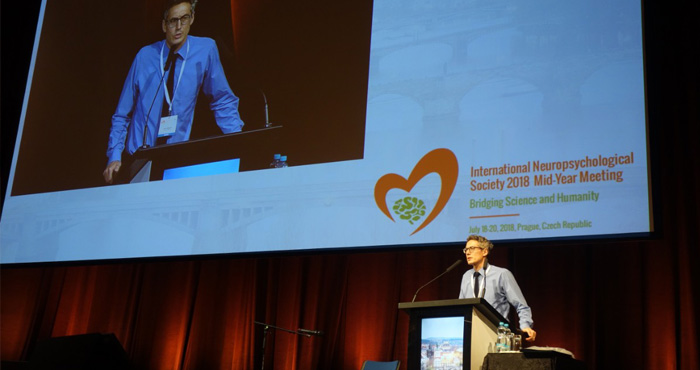
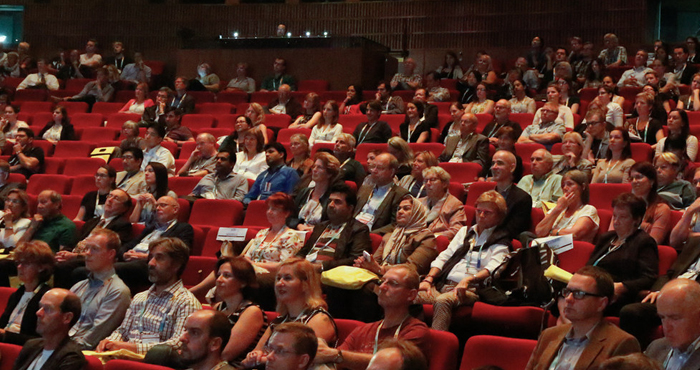
The 2018 International Neuropsychological Society meeting in Prague brought together neuroscience and humane clinical practice. Its INS 2018 archive remains useful background for readers exploring how experimental findings can be connected with assessment, rehabilitation and culturally responsive care.
| Cognitive process | Typical task | Prefrontal contribution | Common confound |
|---|---|---|---|
| Prospective timing | Estimating when a tone will occur | Sustains attention and prediction | Anxiety or distraction |
| Working memory | Holding digits or instructions | Maintains and updates information | Sleep loss or medication |
| Episodic memory | Recalling an appointment or event | Organises retrieval and source monitoring | Familiarity mistaken for recall |
| Temporal order | Identifying what happened first | Compares sequences and context | Repeated routines |
Timing The Present
Researchers often distinguish prospective timing, where a person knows that duration will be tested, from retrospective timing, where duration is judged after an event. In prospective tasks, the prefrontal cortex supports attention to passing intervals and helps maintain an internal expectation. Retrospective judgements depend more heavily on how many distinctive events were stored in memory.
This distinction explains why a Melbourne tram trip can seem short when a passenger is reading, yet feel long when services are disrupted and every delay is noticed. The clock has not changed; the distribution of attention and remembered events has. Dopamine-sensitive circuits may further alter interval estimation, particularly in conditions involving motivation, reward or movement.
Working Memory And Future Thinking
Working memory provides a temporary mental workspace. The prefrontal cortex keeps information active, selects what deserves attention and updates it when circumstances change. This capacity supports mental arithmetic, following multi-step instructions and comparing a present situation with a recent one.
The same system assists prospective memory, or remembering to perform an intended action. A person may need to take medication after breakfast, attend an appointment next Thursday or call a family member after an evening shift. When working memory is overloaded, the intention can disappear from awareness even though long-term knowledge remains intact.
Memory, Emotion And Context
The prefrontal cortex works closely with the hippocampus when experiences are placed into a coherent context. It helps distinguish the source of a memory, suppresses irrelevant details and supports retrieval strategies. Emotional arousal can strengthen some aspects of an event while distorting its timing or peripheral details.
Clinical interviews should therefore avoid treating a precise date as the only sign of reliable memory. An older person in Brisbane may accurately remember the heat, people present and sequence of decisions while misplacing the month. Sleep disruption, pain, depression and stress can affect both time estimation and recall, creating symptoms that resemble executive dysfunction.
Culture And Clinical Interpretation
Time is also shaped by social expectations. Appointment systems, school schedules and workplace deadlines encourage a clock-based model, while family obligations, community events and local conditions may produce different priorities. For Aboriginal and Torres Strait Islander clients, assessment should be culturally safe and attentive to language, community context and the limits of imported testing norms.
Access adds another layer. Someone in a remote Northern Territory community may face long travel distances, limited specialist availability and telehealth interruptions. A neuropsychologist should record these circumstances rather than interpreting every missed appointment or delayed response as evidence of impaired planning.
From Laboratory Tasks To Care
Laboratory studies can isolate interval estimation with tones, lights or button presses, but everyday cognition is less tidy. A valid assessment may combine reaction-time measures, delayed recall, sequencing tasks, informant reports and questions about sleep, mood and medication. Repeated testing also requires caution because familiarity can improve performance without a comparable change in executive control.
Patients and families increasingly encounter health claims online. Clinicians should separate peer-reviewed evidence from commercial material, including unverified medicine claims, and explain uncertainty without dismissing legitimate concerns. Clear education is especially important when a person links concentration, memory or altered time perception to a product marketed outside standard clinical pathways.
Practical Priorities For Clinicians
A useful approach connects neural mechanisms with the patient’s daily setting. Assessment should examine whether a timing difficulty appears during monotonous tasks, emotionally charged events, divided attention or real-world planning. It should also identify strengths, such as well-preserved routines or effective use of calendars and phone reminders.
For Australian services, practical recommendations include:
- Compare prospective and retrospective timing rather than relying on one duration estimate.
- Check sleep, pain, mood, medication, substance use and fatigue before attributing symptoms to frontal-lobe dysfunction.
- Use interpreters and culturally appropriate explanations, particularly when standard time concepts do not match a client’s experience.
- Consider travel distance, telehealth access and Medicare-funded service limits when planning assessment and follow-up.
- Teach compensatory strategies such as alarms, written routines, visual schedules and event-based reminders.
Understanding prefrontal contributions to time and memory does not reduce experience to a single brain region. It provides a framework for seeing how attention, prediction, emotion, culture and context combine to shape the way people remember the past and organise what comes next.
General Information
Important information about the meetingIndustry
Support and exhibition opportunitiesCzech Republic
Beautiful country situated in the very heart of EuropeContact
How can we help you?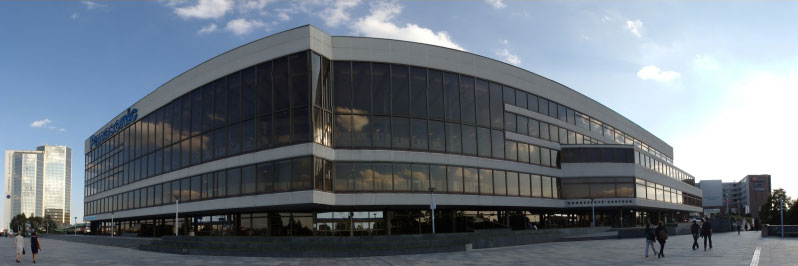
Prague Congress Centre (KCP)
5.května 65140 21 Prague 4
Czech Republic
Phone: +420 261 171 111
Website: www.kcp.cz