


Language, executive control and bilingual aphasia recovery
Bilingual aphasia recovery is shaped by more than the return of vocabulary and grammar after stroke or brain injury. A person may retrieve words in one language more easily, manage conversation better in another, or switch between languages according to family, workplace and cultural demands. Language and executive control in bilingual aphasia recovery therefore need to be assessed together. Learn more about 筋萎縮におけるオートファジー系の役割と運動介入.
Executive functions such as inhibition, working memory, cognitive flexibility and self-monitoring support communication in everyday settings. These abilities help a speaker select the intended language, suppress competing words, follow a changing topic and repair misunderstandings. A clinically useful approach must connect laboratory findings with humane, culturally responsive care.
The clinical picture is dynamic
Bilingual aphasia rarely follows a simple pattern in which both languages improve at the same rate. Age of acquisition, literacy, frequency of use, emotional relevance and the language spoken before the neurological event can all influence performance. A heritage language used at home may remain strong in personal conversation while the dominant community language supports work and public communication.
Executive control can also vary by task. A person might name pictures accurately in a quiet clinic but struggle to shift languages during a noisy family meal. The difficulty may involve lexical access, attention, inhibition or fatigue rather than a complete loss of language knowledge.
Executive functions shape communication
Language switching requires the speaker to monitor context and control interference from the other language. Inhibition helps suppress an unintended translation, while working memory keeps the conversational goal active. Cognitive flexibility supports a rapid move from answering a doctor’s question to telling a personal story.
These processes are especially visible in discourse. Pauses, revisions, vague wording and topic drift may indicate impaired executive regulation as well as aphasia. Clinicians can examine turn-taking, self-correction and the ability to follow multi-step instructions instead of relying on isolated naming scores.
Culture changes the meaning of recovery
Communication goals should reflect the person’s relationships and routines. For some families, recovery means joining a multilingual household conversation; for others, it means returning to a trade, studying at university or speaking with children in a heritage language. A culturally familiar task can reveal abilities that a decontextualised test misses.
In Australia, services may work with speakers of Mandarin, Arabic, Vietnamese, Greek, Punjabi or many other languages, alongside Aboriginal and Torres Strait Islander clients whose communication practices and cultural identities require careful consultation. A “having a yarn” style of interaction may provide a more natural setting for observing narrative skills than rapid question-and-answer testing.
Assessment should compare languages fairly
A sound assessment records proficiency, literacy, dialect, everyday exposure and language-switching habits before interpreting impairment. Interpreters should be briefed about the purpose of each task, while bilingual clinicians can add valuable insight into grammar, pragmatic meaning and culturally appropriate discourse.
Scores should be combined with reports from family members and support workers. In Melbourne’s western suburbs or Sydney’s multicultural communities, a client may use one language with relatives, another at work and a third in religious or social settings. Mapping those contexts helps distinguish a genuine aphasic impairment from limited opportunity to use a particular language.
Rehabilitation can train control and language
Treatment may combine word retrieval, sentence production and discourse practice with tasks that exercise switching, inhibition and planning. A therapist could ask a client to describe a recipe in one language, summarise it in another and then explain which steps were hardest. Repeated practice can make executive demands visible and measurable.
Functional therapy should include scripts for medical appointments, transport, shopping and family conversations. In rural and regional Australia, telehealth can extend access when bilingual speech pathologists are scarce, although technology, interpreter availability and privacy must be considered. NDIS-funded supports may also need clear goals that connect communication training with participation.
Research links mechanisms with practice
Neuropsychological research increasingly treats bilingual language control as a coordinated network involving attention, monitoring and response selection. Recovery may reflect relearning within language systems, adaptation through executive resources, or support from preserved abilities in the less impaired language.
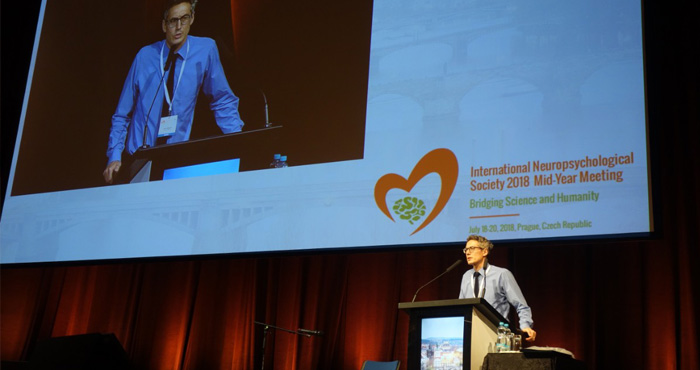
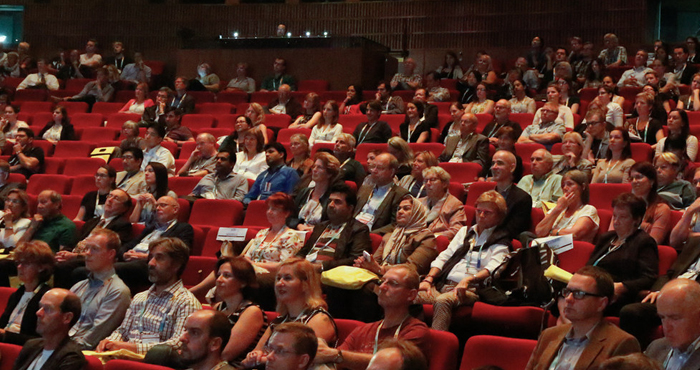
Interdisciplinary discussion helps clinicians connect these mechanisms with patient priorities. The INS 2018 meeting in Prague, with its emphasis on neuroscience, clinical practice and humane care, represented the kind of exchange where such questions could be explored alongside practical professional contact at the welcome cocktail. Related rehabilitation research, including discussion of cellular responses to exercise, can also broaden thinking about recovery mechanisms through autophagy research.
Clinical priorities for Australian teams
Australian services can make assessment more useful by treating bilingualism as a central clinical variable rather than a background detail. The person’s preferred language, family expectations and access to community support should guide both the measures selected and the definition of meaningful progress.
A practical plan can include the following:
- Document language history, literacy, daily use and switching patterns before testing.
- Assess naming, comprehension, discourse and executive control in each relevant language.
- Use trained interpreters and consult family without allowing relatives to replace clinical assessment.
- Practise real Australian routines, such as speaking with a GP, using public transport or returning to work.
- Include culturally safe collaboration with Aboriginal and Torres Strait Islander clients and communities.
- Track fatigue, attention and communication breakdowns across home, work and community settings.
- Review goals regularly as language use changes during recovery.
When these priorities are combined, bilingual aphasia rehabilitation becomes more precise and more personal. Recovery is measured through control, participation and connection, rather than through vocabulary scores alone.
General Information
Important information about the meetingIndustry
Support and exhibition opportunitiesCzech Republic
Beautiful country situated in the very heart of EuropeContact
How can we help you?
Prague Congress Centre (KCP)
5.května 65140 21 Prague 4
Czech Republic
Phone: +420 261 171 111
Website: www.kcp.cz