

Cognitive rehabilitation after brain tumour surgery
Cognitive rehabilitation for post-surgical brain tumour patients is an individualised process that combines treatment of thinking, communication and emotional health with a return to meaningful daily roles. The aim is not to restore an unchanged pre-illness state, but to help people manage altered abilities, use effective strategies and participate in family, work and community life. Planning starts with the patient’s priorities, not the diagnosis alone.
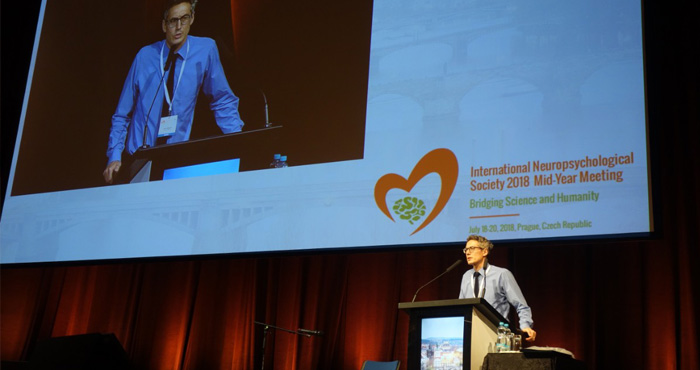
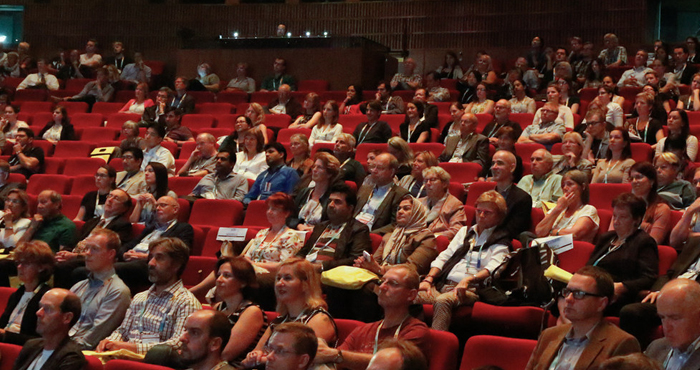
The INS 2018 meeting in Prague, held from 18 to 20 July, framed this challenge internationally by connecting scientific advances with humane care. Its registration information, programme, poster listings and continuing-education workshops demonstrate the value of cross-disciplinary discussion. Australian teams must translate that message into a mixed system of public hospitals, private allied-health clinics, Medicare-funded care and telehealth.
Lessons from INS 2018 for Australian care
The Prague meeting linked neuroscience, cultural context and clinical practice, a combination still relevant to neuro-oncology. Rehabilitation after surgery may involve a glioma, meningioma or metastatic lesion, with outcomes shaped by tumour location, mapping during surgery, seizures, subsequent treatment and pre-existing health. Teams considering added monitoring can consult this functional brain-imaging research when evaluating how physiological measures might complement behavioural assessment.
Cultural responsiveness is equally practical: patients may describe changes as problems with their “memory and thinking”, while families use terms such as “not quite themselves”. In Melbourne, Sydney and Brisbane, interpreters and culturally diverse clinicians should clarify these descriptions rather than assume limited insight. A neuro-oncology nurse or care coordinator can ensure that goals reflect the patient’s home, work and community routines.
The post-surgical rehabilitation pathway
Care usually starts with a pre-operative baseline where possible, followed by an early review after wound recovery and repeated assessment as swelling, medication, radiotherapy and chemotherapy alter function. Neuropsychological testing clarifies strengths and weaknesses, but everyday performance is equally important. Ask about medication adherence, driving, cooking, finances, childcare and return to work; these concerns often reveal more urgent needs than a test score.
A multidisciplinary pathway can coordinate the neurosurgeon, neuro-oncologist, neuropsychologist, occupational therapist, speech pathologist, physiotherapist, psychologist and vocational rehabilitation consultant. Goal Attainment Scaling is useful when progress must be expressed in practical terms. Therapy should address fatigue, mood, sleep and caregiver strain alongside cognitive retraining, because each can limit the benefit of strategy training.
Measuring memory, thinking and daily function
Assessment should combine standardised measures with structured interviews, observation and a functional diary. Repeat testing at meaningful intervals, use age- and education-appropriate norms, and interpret change in the context of medical events rather than labelling it “deterioration”. Executive-function tools cannot capture every impact of a frontal-lobe lesion, while memory tests may not show whether compensatory strategies work during a busy shift.
Functional near-infrared spectroscopy may offer insight into task-related cerebral haemodynamics, but it is not a routine standard of care in Australia and does not replace neuropsychological assessment. The INS-hosted clinical fNIRS evidence review is useful when evaluating its clinical utility. In practice, goal-led measures of medication management, shopping, transport or work performance remain easier to interpret and act upon.
Comparing rehabilitation service models
Service design affects whether the right support is available at the right time. Local pathways, funding and travel distance should shape the model, not simply the other way around.
| Model | Typical strengths | Main limitations | Australian fit |
|---|---|---|---|
| Public tertiary neuro-oncology | Integrated surgery, oncology and inpatient rehabilitation | Waiting times, travel and limited outpatient intensity | Major centres including Sydney, Melbourne and Brisbane |
| Private allied health | Rapid access and flexible scheduling | Out-of-pocket costs and fragmented records | Suits metropolitan and privately insured patients |
| Hybrid and telehealth | Combines clinic-based and home practice | Connectivity and limits for hands-on therapy | Supports rural and remote follow-up |
| Community and vocational | Real-world tasks and employer or education links | Fewer specialist clinics and variable funding | Complements staged return to study or work |
No model is universally best. A patient recovering from craniotomy may need intensive hospital-based therapy, then home practice, telehealth review and vocational support. A metropolitan private service might begin quickly, while a regional patient relies on a general practitioner, local therapist and telehealth specialist. Blended care, with one clinician coordinating the plan, reduces duplication and improves communication.
Delivering therapy across Australian settings
Therapy works best when it is task-specific and paced. Cognitive remediation can teach attention strategies; occupational therapy can retrain kitchen, self-care or workplace routines; speech therapy targets communication; psychological treatment supports adjustment; and a vocational consultant establishes graded work exposure. Families benefit from plain-language guidance on fatigue, warning signs and realistic expectations, including when to contact the treating team.
Australian patients may access allied-health rebates through Medicare and a GP chronic-disease management plan, private health insurance or self-funded packages, although eligibility and limits vary. Telehealth has expanded options beyond metropolitan centres, especially for people in rural Queensland or regional NSW. Practices should explain fees clearly and document progress in a shared plan that travels between the hospital, GP and community providers.
Recommendations for neuro-oncology teams
Teams can build a consistent service around the following priorities:
- Start rehabilitation planning before discharge where medically safe, with a named coordinator and written goals.
- Establish baseline and follow-up measures that include daily function, mood, fatigue and caregiver needs.
- Match intensity and delivery to location, finances, digital access and the patient’s work or study demands.
- Review at transitions after surgery, radiotherapy and chemotherapy, and escalate changes in cognition or function promptly.
These steps keep rehabilitation connected to medical treatment without making monitoring the whole programme. In Australia’s complex care landscape, the strongest results come from coordinated public, private and community services that use plain language, respect cultural context and measure what matters to the person living with and beyond a brain tumour.
General Information
Important information about the meetingIndustry
Support and exhibition opportunitiesCzech Republic
Beautiful country situated in the very heart of EuropeContact
How can we help you?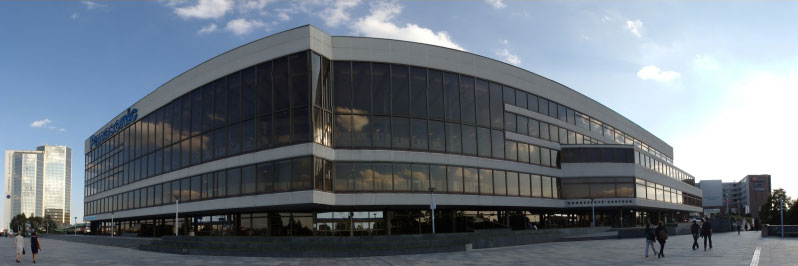
Prague Congress Centre (KCP)
5.května 65140 21 Prague 4
Czech Republic
Phone: +420 261 171 111
Website: www.kcp.cz