


Cognitive predictors of falls in older adults
Neuropsychological predictors of falls in older adults with mild cognitive impairment are examined through attention, executive function and memory. Research asks whether difficulties with planning, inhibiting distractions or shifting focus help explain why a person with subtle cognitive change may stumble, hesitate or miss a step. The findings offer risk stratification rather than a verdict on an individual.
Early detection matters because a fall can trigger pain, loss of confidence, hospital contact and reduced activity, creating a cycle of deconditioning. Clinicians therefore combine cognitive measures with mobility, vision, medication, mood and social context. A low test score alone cannot identify who will fall, but a pattern across tests and daily life can guide support.
In Australia, this approach fits a system in which older people often move between general practice, community pharmacies, allied-health clinics and aged-care services. It also reflects everyday activities such as walking to shops, using public transport, gardening and managing stairs at home. The aim is safer mobility while preserving independence and personal choice.
Cognitive domains behind instability
Executive control supports the timing of foot placement and the ability to ignore a busy street or carry a conversation without losing balance. Attention and processing speed may become strained during divided tasks, while visuospatial and working-memory difficulties can complicate navigation. Interpretation is strongest when cognition, gait and general health are considered together, since fatigue, pain or an unfamiliar route can alter performance on any given day.
Population-level dementia research adds useful context, and the International Society for Dementia Epidemiology’s 2021 meeting portal offers a route into wider questions about cognitive ageing and risk. In clinical work, that population view should not obscure individual variation or replace a careful falls history.
Assessment that captures everyday risk
A practical assessment can include a brief cognitive screen, verbal fluency, a timed trail-making task, gait speed, balance testing and a walking task that adds a cognitive demand. Clinicians compare usual walking with divided attention and ask about near-falls, avoidance and confidence. Standardised conditions matter because a rushed clinic corridor, an unsuitable walking aid or an unfamiliar examiner may underestimate capacity.
The person’s story supplies the missing context. Questions should cover medicines, alcohol, dizziness on standing, foot problems, footwear, vision, hearing, hydration and recent changes in routine. Family members may notice altered night-time wandering or hesitation on slopes before these changes appear in a formal test, while cultural and language differences affect how risk is described and reported.
Stairs, uneven pavements, shopping-centre crowds and hot weather can expose different combinations of balance, confidence and endurance. Recording a fall on the route to a clinic, rather than only inside it, can reveal the environment that needs modification and the circumstances that should shape the response.
Turning assessment into a practical plan
Assessment is useful only when it leads to a negotiated plan. The INS 2018 archive provides continuing education materials that support case-based discussion of cognition and function, helping teams move from a deficit label to practical, measurable goals.
Priorities should be chosen with the older person and their support network, then monitored using both events and function. A useful plan addresses reversible contributors, changes the environment and builds confidence without encouraging unnecessary restriction.
- Pair a brief cognitive screen with gait speed, balance and a dual-task walking task, using the same protocol at reassessment.
- Review medicines, orthostatic blood pressure, footwear, vision, hearing and home hazards through the GP, pharmacist and allied-health team.
- Set a person-specific goal, such as safer transfers or confidence on stairs, and record falls, near-falls and walking confidence between visits.
- Adapt the plan to culture, language, preferred support and the person’s everyday route rather than relying on a laboratory result alone.
Fitting care into Australian settings
Australian services operate within the Aged Care Act and Aged Care Quality Standards, requiring providers to manage clinical risks such as falls. The local market includes private physiotherapy, exercise physiology and occupational therapy, usually reached through a general practitioner and sometimes supported by Medicare rebates. Community pharmacies also provide medication checks, including Commonwealth-funded Home Medicines Review, while clear documentation helps teams coordinate these services and avoid fragmented assessment.
Everyday life still shapes risk. Walking to shops, using public transport and gardening are common habits for many older Australians, while Sydney’s steep sandstone stairways, Melbourne’s tram-stop kerbs and Brisbane’s summer heat create different combinations of balance, confidence and endurance. Local health services can use those familiar routes to design home hazard checks and culturally appropriate exercise programmes.
Carrying evidence from Prague into practice
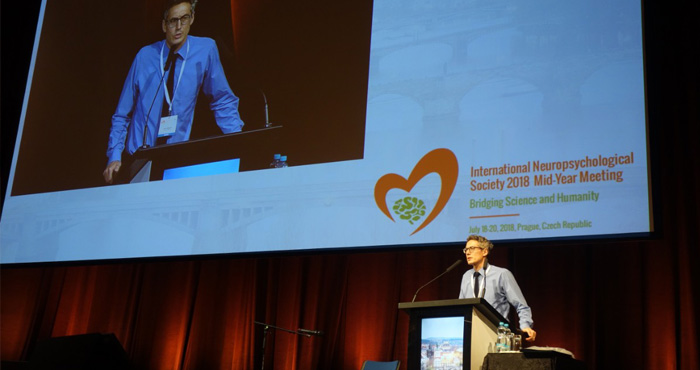
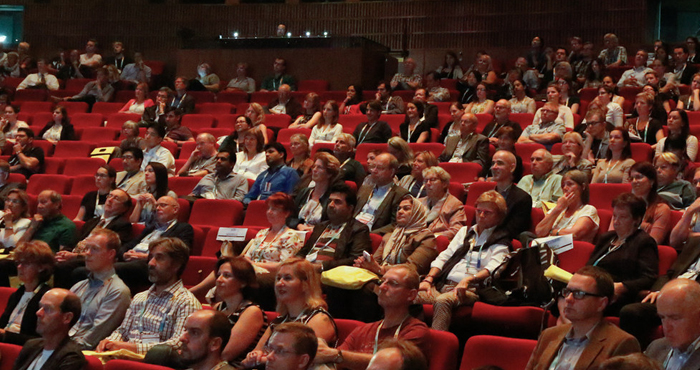
INS 2018, held in Prague from 18–20 July 2018, focused on connecting scientific advances with humane care, cultural considerations and clinical practice. Its programme, poster discussions and photo gallery documented a meeting concerned with how evidence travels from laboratories to people’s homes, hospitals and aged-care environments. A statistically significant association has little value unless it changes an assessment or supports a person’s goal.
Australian delegates planning travel to Prague could consult the meeting site’s passport and visa guidance for the documentation pathway into the Czech Republic. That attention to cross-border detail has a clinical parallel: studies and services should state diagnostic criteria, describe language and education, include caregiver perspectives, and report whether recommendations were implemented.
Clear reporting and shared measures turn fall-risk assessment into a more equitable and actionable form of care.
General Information
Important information about the meetingIndustry
Support and exhibition opportunitiesCzech Republic
Beautiful country situated in the very heart of EuropeContact
How can we help you?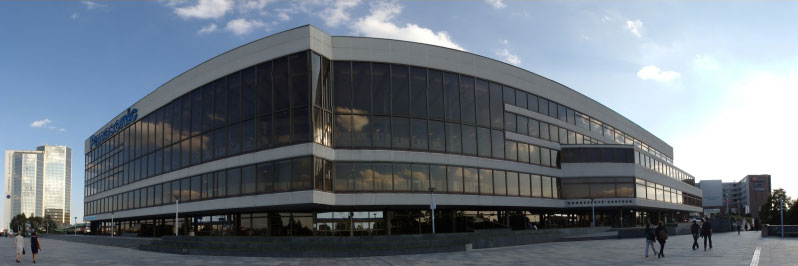
Prague Congress Centre (KCP)
5.května 65140 21 Prague 4
Czech Republic
Phone: +420 261 171 111
Website: www.kcp.cz