




Remediating attention deficits in multiple sclerosis
Many people with multiple sclerosis describe “brain fog”: information feels harder to hold, tasks take longer, and distractions disrupt work or conversations. These experiences may reflect slowed processing, strained working memory, fatigue, mood changes, or a combination of factors rather than a single attention disorder.
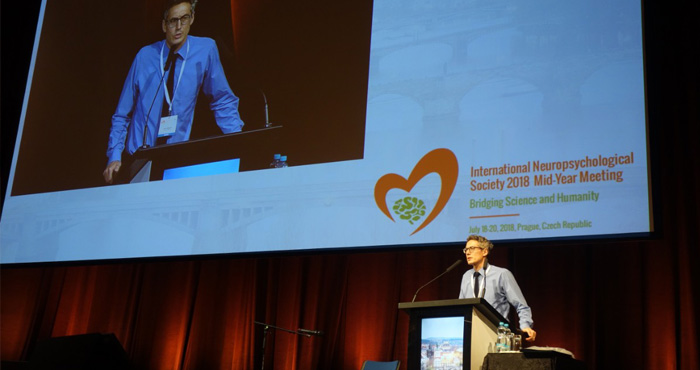
Cognitive remediation for attention deficits in multiple sclerosis is most useful as part of a broader assessment and care plan. The INS 2018 meeting in Prague, held from 18–20 July, reflected this approach by connecting scientific advances with humane clinical practice, cultural considerations, and patient outcomes.
Recognising the clinical pattern
Attentional symptoms in multiple sclerosis may involve sustaining focus, dividing attention between tasks, shifting between activities, or completing work before information is lost. The effects can change with fatigue, stress, sleep disruption, medication, and disease activity, so a difficult day does not necessarily indicate permanent deterioration.
Clinical assessment should consider the person’s baseline, current changes, and functional consequences. Family members may notice missed appointments or slowed responses that the patient does not report, while mood, pain, vision, and hearing can all affect performance.
Measuring change that matters
Assessment may combine an interview, medical history, self-completed questionnaires, functional observations, and selected standardised measures. Neuropsychologists commonly examine processing speed, working memory, learning, divided attention, and executive skills while accounting for fatigue and practice effects.
Measures should connect to real activities such as managing medication, following workplace instructions, using public transport, or completing household routines. Functional goals and repeated brief checks can reveal meaningful change that a single test score may miss.
Building effective remediation
Effective programmes combine repeated practice with practical strategies. Exercises may include paced attention tasks, working-memory rehearsal, time estimation, task simplification, and gradually increasing complexity. Metacognitive skills—planning, monitoring errors, and breaking work into manageable steps—can be as valuable as drill-based activities.
Evidence across multiple sclerosis populations is heterogeneous, and improvement does not always transfer automatically to everyday life. Programmes should therefore use functional outcomes, allow fatigue-adjusted practice, and adjust difficulty so that the person experiences challenge without overwhelming cognitive resources.
Treating fatigue and co-occurring factors
Fatigue can magnify every attentional difficulty. A review may identify sleep problems, depression, anxiety, pain, infection, or excessive activity during the day, each of which requires a different response. Graded activity and planned rest may help, although neither should be presented as a universal cure.
Medication effects and disease-related changes should be reviewed with the treating clinician. Treating these contributors may improve attention even when direct cognitive training has limited effects, making collaboration between neurology, neuropsychology, psychology, and rehabilitation essential.
Navigating care in Australia
In Australia, a GP is often the gateway to neurological care, while MS Australia provides information, peer support, and connections to local groups. Medicare rebates apply to eligible medical consultations, while private health insurance and clinic fees affect allied-health costs; dedicated cognitive remediation is not uniformly funded through the PBS.
Access also varies between metropolitan and regional areas. Services in Sydney, Melbourne, Brisbane, and smaller centres may offer different formats, and telehealth can broaden access for people living in rural or remote communities. Culturally responsive care is equally important, particularly for Aboriginal and Torres Strait Islander clients and people from culturally and linguistically diverse backgrounds. Clinicians should welcome family perspectives, use appropriate interpreters, and avoid interpreting communication differences as cognitive impairment.
Placing the work in wider neuropsychology
Attentional symptoms rarely exist in isolation, so formulation should consider learning, language, mood, motor control, and social participation. A related INS resource on neuropsychology beyond tics illustrates how behavioural and cognitive symptoms can require a broader neuropsychological assessment.
For delegates planning travel to the Prague meeting, registration, programme, poster, workshop, venue, and transport information helped make the event accessible. Local accommodation details included Hotel Panorama, while the photo gallery documented the scientific exchange and social character of the gathering.
Matching support to individual needs
No single approach suits every person with multiple sclerosis. Rehabilitation should reflect the dominant barriers, the goals that matter to the patient, available support, and the likelihood that a strategy can be sustained between appointments.
| Approach | Main aim | Common methods | Important consideration |
|---|---|---|---|
| Direct cognitive remediation | Strengthen attentional processes | Working-memory practice, paced tasks, strategy training | Gains may be task-specific without consistent real-world practice |
| Compensatory support | Reduce everyday cognitive demands | Reminders, calendars, checklists, organised routines | Can become burdensome if not matched to the person’s preferences |
| Fatigue and symptom management | Address factors that amplify inattention | Sleep review, mood care, medication review, paced activity | Effectiveness depends on identifying the underlying contributor |
| Environmental adjustment | Reduce unnecessary cognitive load | Simplified instructions, quieter workspace, reduced interruptions | Benefits depend on control over work, study, or home settings |
A credible plan is judged by functional gains, tolerability, and sustained use in daily life rather than by improvements confined to a training exercise.
General Information
Important information about the meetingIndustry
Support and exhibition opportunitiesCzech Republic
Beautiful country situated in the very heart of EuropeContact
How can we help you?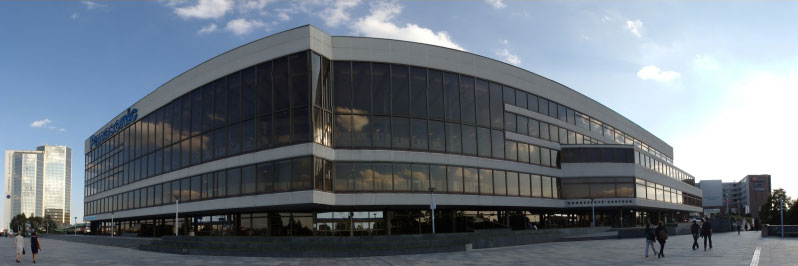
Prague Congress Centre (KCP)
5.května 65140 21 Prague 4
Czech Republic
Phone: +420 261 171 111
Website: www.kcp.cz