




Post-concussion syndrome: Neuropsychological assessment and recovery
In Australia, a head injury is often called a “head knock,” while “brain fog” describes the foggy thinking that can follow. A concussion may be brief, but post-concussion syndrome refers to a broader, persistent cluster of symptoms that interferes with daily life after the injury. Learn more about 筋力トレーニングの神経適応 皮質脊髄路の興奮性変化.
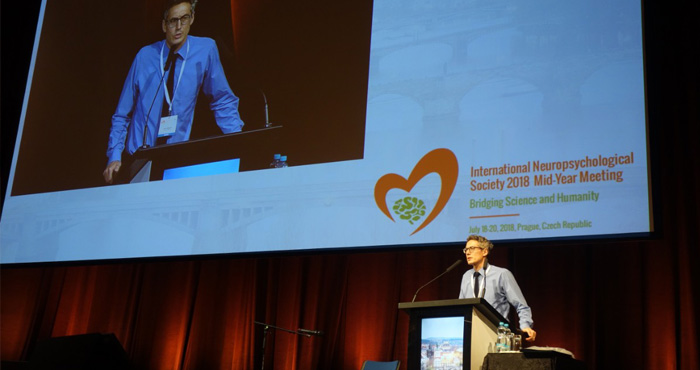
The INS 2018 meeting in Prague, held from 18 to 20 July, linked laboratory advances with humane clinical care. Its emphasis on culture, neuroscience and practice still fits the assessment of post-concussion syndrome: recovery depends on more than an injury date, scan result or single cognitive score.
What post-concussion syndrome means
Common symptoms include headache, dizziness, fatigue, sleep disturbance, irritability, poor concentration and memory complaints. Symptoms may fluctuate, and some people recover steadily while others develop longer-lasting difficulties. Post-concussion syndrome is therefore best understood by duration, symptom pattern and functional impact rather than by a fixed waiting period alone.
No blood test or brain scan can confirm the syndrome. A clinician reviews the mechanism of injury, neurological findings, medication, migraine, balance, neck pain, sleep and mental health. Persistent personality or cognitive change also warrants broader investigation; resources on frontotemporal dementia signs can help distinguish a degenerative condition from post-injury symptoms.
A comprehensive neuropsychological assessment
A neuropsychological assessment usually combines a detailed interview, collateral information, records and testing selected for the person’s concerns. The clinician examines work, school, driving, relationships and daily activities, because normal scores can coexist with substantial disability. Baseline records from schools or earlier reports may provide useful context.
Testing may cover attention, processing speed, learning, memory, executive skills and language, but the choice depends on current symptoms and the referral question. Effort and performance can be affected by pain, anxiety, sleep loss or medication. Interpretation should therefore describe the pattern of strengths and difficulties, not label the person from one low score.
Why test results need clinical context
Qualitative methods can reveal more than a total score. An INS 2018 workshop summary on qualitative error analysis shows how missed instructions, guesses, timing patterns and strategy use can clarify the source of a difficulty. This helps distinguish memory retrieval problems, attentional lapses, language differences and poor test familiarity.
Results also require cultural and educational context. Aboriginal and Torres Strait Islander clients should be supported by culturally safe assessment, appropriate interpreters and, where relevant, community involvement. Clinicians should ask about the demands of daily life and the meaning of symptoms instead of treating cultural difference as deficit. Feedback should translate findings into understandable, practical recommendations.
Building a realistic recovery plan
Recovery is individual. Early relative rest for a short period is commonly followed by staged activity, with changes guided by symptom response. Pushing through a worsening headache, dizziness or fog may delay progress; equally, prolonged inactivity can worsen deconditioning and mood. Work, study and sport loads need gradual adjustment.
Graded aerobic exercise, sleep support, vestibular or neck treatment, and occupational strategies may all be useful. Resistance training may influence motor pathways, although research on corticospinal excitability shifts does not establish it as a stand-alone treatment. Exercise prescription should fit the person, the injury and any neurological or musculoskeletal restrictions.
In Australia, a GP may coordinate a neurologist, neuropsychologist, physiotherapist, occupational therapist and psychologist through public or private services. Evidence-based treatment for headache, anxiety, depression or insomnia should sit alongside the neurological and functional plan rather than being treated as separate problems.
Red flags and routes to care in Australia
After any head injury, urgent care is needed for repeated vomiting, a seizure, confusion, weakness, slurred speech, worsening headache or fluid or blood from the nose or ears. In Australia, call Triple Zero (000) or attend the nearest emergency department. Neck pain, anticoagulant use and a suspected skull fracture also change the urgency.
For non-urgent care, many people start with a GP, who can refer for specialist review and arrange eligible Medicare-subsidised allied-health care through a GP Management Plan. Public hospital outpatient services, private concussion clinics and independent practitioners operate across Melbourne, Sydney, Brisbane and other cities. Coverage, rebates and referral requirements vary, so patients should confirm current arrangements.
People in rural and remote areas may use telehealth or travel to a regional city for assessment, while workplace injuries can involve state-specific compensation schemes such as TAC in Victoria, icare in NSW or WorkCover Queensland. A return-to-work plan should be symptom-sensitive and consistent with the treating team’s advice.
Symptoms and history to track before assessment
A short diary can help clinicians see patterns before the next appointment. Useful fields include:
- Headache frequency, severity and triggers
- Sleep duration and morning fatigue
- Changes in memory or concentration
- Balance, dizziness and activity tolerance
Useful information to bring includes:
- The injury date and circumstances
- Current medicines and medical conditions
- Earlier brain injuries or migraine history
- Effects on work, study and driving
A sound assessment links symptoms, test findings and daily demands to one coordinated plan. It also sets review points and clear thresholds for seeking urgent care, giving the person and their support network a practical map for recovery rather than an unexplained label.
General Information
Important information about the meetingIndustry
Support and exhibition opportunitiesCzech Republic
Beautiful country situated in the very heart of EuropeContact
How can we help you?
Prague Congress Centre (KCP)
5.května 65140 21 Prague 4
Czech Republic
Phone: +420 261 171 111
Website: www.kcp.cz