


Culturally Safe Dementia Diagnosis for Immigrant Communities
Dementia assessment is shaped by language, migration history, education, family roles and beliefs about ageing. A memory test developed in one cultural setting may misinterpret limited schooling, second-language performance or unfamiliarity with timed tasks as cognitive decline.
For clinicians working with immigrant communities, accurate diagnosis requires more than translating a questionnaire. It involves understanding the person’s previous life, preferred communication style, health literacy and expectations of care, while distinguishing dementia from depression, trauma, delirium and normal ageing.
| Assessment approach | Potential limitation | Culturally responsive alternative |
|---|---|---|
| English-only cognitive screening | May measure language fluency rather than memory | Use a qualified interpreter and validated language-specific tools |
| Individual interview | Family knowledge may be missed | Invite family participation with the patient’s consent |
| Assumption of formal education | Schooling quality varies widely | Explore literacy, numeracy and occupational skills |
| Western concept of independence | Can misread family support as impairment | Assess functioning within the person’s cultural context |
| Single test score | May overstate or understate impairment | Combine history, observation, informant reports and repeat assessment |
Why Culture Shapes Cognitive Assessment
Cognitive testing reflects the language, schooling, social norms and problem-solving styles of the society where it was developed. A person who learned to read in Arabic, Mandarin or Vietnamese may perform poorly on an English verbal task while retaining strong reasoning abilities. Someone with little formal education may also find written instructions confusing without having dementia.
Migration can add further complexity. Refugees and older migrants may have experienced war, displacement, detention, bereavement or prolonged stress. These experiences can affect concentration and sleep, and may resemble mild cognitive impairment. A careful history helps clinicians separate trauma-related symptoms from progressive neurodegenerative disease.
The conference discussions surrounding a Holocaust survivor’s sketchbook illustrate why personal history matters in neuropsychology. Life experience is not background decoration; it can explain how a patient communicates, remembers and makes meaning.
Language, Literacy And Migration History
Professional interpreters are preferable to relatives, particularly when discussing finances, driving, continence, safety or family conflict. Interpreters should be briefed about the purpose of the assessment and encouraged to translate faithfully rather than summarise. Clinicians should speak directly to the patient, use short sentences and allow extra processing time.
Bilingualism also needs careful interpretation. A person may use one language at home, another at work and a third in public life. Asking when each language was learned, which language is used for emotions and which is preferred for medical discussions can reveal the most reliable route for assessment.
Literacy should be explored without embarrassment. Questions about years of schooling, reading habits, employment and everyday numeracy are more useful than assuming that a recorded education level has the same meaning across countries. Practical tasks, conversation and informant history can complement formal measures.
Australian Clinical And Community Realities
Australia’s culturally and linguistically diverse population means these issues arise in suburban clinics as well as specialist memory services. In Western Sydney, Melbourne’s Dandenong and Footscray areas, and multicultural communities in Perth and Brisbane, a GP may coordinate care across interpreters, migrant support organisations and public hospital services.
The Australian healthcare system also creates practical pressures. Medicare-funded consultations may be time-limited, while interpreter access, transport and follow-up appointments can be difficult for older migrants. Families may use the phrase “memory problems” rather than “dementia”, and some may see cognitive decline as a private family matter or a normal part of ageing.
Clinicians should explain referral pathways in plain English and check whether the family understands services such as My Aged Care, dementia support programs and advance care planning. For Aboriginal and Torres Strait Islander patients, culturally safe practice requires a distinct approach rather than treating Indigenous identity as another language variable.
Building A More Reliable Diagnosis
Assessment should begin with an open account of change: what the patient used to do, what has altered and when the change became noticeable. Asking about cooking, shopping, medications, work, religious practice and navigating familiar places can provide a richer picture than a score alone.
Collateral information is valuable, yet family reports must be interpreted carefully. A daughter who manages all finances may describe dependence that reflects family custom rather than loss of capacity. Conversely, a patient who appears independent in the clinic may receive extensive support at home.
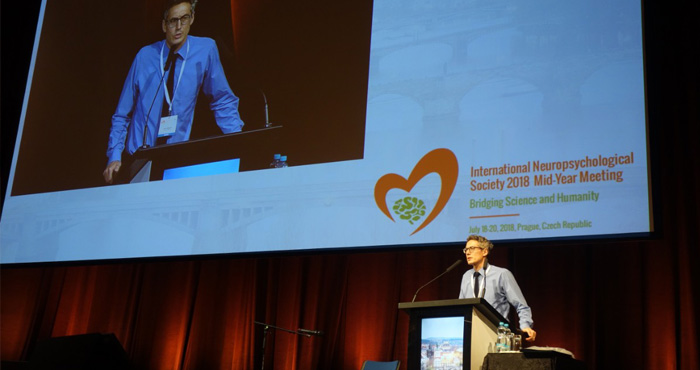
The INS 2018 meeting website reflects the field’s emphasis on linking scientific advances with humane clinical care. That balance is essential when assessing people whose culture, language and migration experiences do not fit standard norms.
Working With Families And Interpreters
Family meetings should clarify the patient’s wishes, confidentiality and decision-making rights. Some families expect a diagnosis to be disclosed first to an eldest son or another senior relative. Clinicians can acknowledge that preference while ensuring the patient remains central to discussions about consent and care.
Culturally responsive communication does not mean accepting every belief without examination. It means asking how the family understands the symptoms, what forms of help are acceptable and whether traditional, spiritual or community supports are being used. These questions can uncover barriers to medication, respite or follow-up.
Where possible, involve bilingual clinicians, multicultural health workers and community organisations. A trusted worker may explain dementia in familiar terms, reduce stigma and help the service understand household roles that are invisible during a brief appointment.
Practical Steps For Services
Services can improve diagnostic accuracy by making cultural formulation a routine part of memory assessment rather than an optional extra. Documentation should record language preference, interpreter use, education, migration history, culturally relevant functional activities and the source of collateral information.
Training should include bias awareness, trauma-informed care and the limits of translated screening tools. The keynote speakers associated with the Prague meeting represented the broader neuropsychological conversation linking neuroscience, clinical practice and humane patient care.
- Book a professional interpreter early and use the patient’s preferred language.
- Combine cognitive scores with functional history, observation and informant reports.
- Ask about schooling, literacy, migration, trauma and multilingual language use.
- Explain Australian services in plain language, including Medicare and My Aged Care pathways.
- Review uncertain diagnoses over time rather than relying on a single culturally unfamiliar test.
General Information
Important information about the meetingIndustry
Support and exhibition opportunitiesCzech Republic
Beautiful country situated in the very heart of EuropeContact
How can we help you?
Prague Congress Centre (KCP)
5.května 65140 21 Prague 4
Czech Republic
Phone: +420 261 171 111
Website: www.kcp.cz