



Teleneuropsychology for Rural and Underserved Communities
Teleneuropsychology uses secure video, digital assessment tools and remote clinical supervision to extend neuropsychological care beyond major hospitals. For people living in remote or socially disadvantaged areas, it can reduce travel, waiting times and the cost of accessing a specialist.
The approach is particularly relevant in Australia, where services are concentrated in Sydney, Melbourne, Brisbane and other metropolitan centres while many communities are separated by vast distances. A patient in Alice Springs, Broome or rural Tasmania may need to travel hundreds of kilometres for an assessment that can begin through a properly designed telehealth appointment.
The strongest models combine technology with clinical judgement. Online interviews, informant reports and selected computer-based tasks may be completed remotely, while tests requiring physical materials, close observation or controlled conditions may need a local assistant or an occasional face-to-face visit.
The goal is humane, culturally responsive care rather than a purely digital service. Language, internet reliability, privacy at home and local attitudes towards mental health all influence whether remote neuropsychology is trusted and useful.
Why Remote Neuropsychology Matters
Rural patients often encounter a small local workforce, limited public transport and long referral pathways. In Australia, an older adult in regional New South Wales might spend a full day travelling to a metropolitan clinic, while a young person in a remote Aboriginal community may face additional barriers involving language, cultural safety and continuity of care.
Telehealth can connect a local general practitioner, Aboriginal health worker, school counsellor or rehabilitation team with a neuropsychologist based elsewhere. This shared-care arrangement supports assessment, diagnostic clarification and treatment planning without removing local professionals from the process.
Building A Clinically Sound Service
A remote assessment begins before the video call. Clinicians need to confirm the patient’s identity, hearing and vision, preferred language, technology access and physical setting. A quiet room, stable connection and suitable camera position can substantially improve the quality of behavioural observations.
Standardised tests should be selected carefully. Some measures can be administered through approved digital platforms, while others require printed materials, timed responses or controlled presentation. A trained local facilitator may help with practical tasks, but must avoid prompting, coaching or unintentionally changing the testing conditions.
Cultural And Ethical Considerations
Cultural context is central to interpreting cognitive performance. Educational opportunity, bilingualism, familiarity with technology and culturally specific communication styles can affect scores. Working with local health services and community representatives helps clinicians distinguish neurological impairment from differences in language, experience or expectations.
Consent also requires attention. Patients should understand where information is stored, who may join the session and what happens if the connection fails. Informed consent is an ongoing conversation, particularly when family members, interpreters or support workers are present in the room.
Training, Resources And Professional Practice
Clinicians need more than technical confidence. Training should cover remote rapport, behavioural observation through a camera, digital security, emergency procedures and the limits of online testing. Continuing education can help practitioners adapt established neuropsychological methods to telehealth without treating every in-person procedure as automatically transferable; specialist workshop materials provide useful context for ongoing professional learning.
Supervision is equally important for clinicians working in isolation. Case discussion, peer review and structured observation can support consistent practice across regional services. Digital networks such as Raskov resources may also serve as a starting point for exploring technology-enabled collaboration, provided that clinicians assess privacy, evidence and suitability for their own setting.
Making Access Sustainable
A sustainable programme depends on reliable funding, local partnerships and realistic workflows. Medicare arrangements, state-funded services, private providers and not-for-profit organisations may each play different roles in supporting assessment and follow-up. Clinics also need a plan for technical failures, transport to a local hub and patients who cannot use a smartphone or computer independently.
The physical setting matters as much as the platform. A telehealth room in a regional hospital may offer privacy and better bandwidth, while a community centre can provide a familiar and accessible alternative. Professional gatherings in historic settings, such as those described in this Prague venues guide, also demonstrate how clinical networks can connect scientific exchange with the human environments in which care is delivered.
| Service element | Remote delivery | Local support required |
|---|---|---|
| Clinical interview | Secure video consultation | Private room and identity check |
| Cognitive testing | Approved digital or adapted measures | Trained facilitator where necessary |
| Cultural assessment | Interpreter and community-informed discussion | Local health or community partner |
| Feedback session | Video conference with shared care team | Follow-up contact and practical referrals |
| Risk management | Documented escalation pathway | Emergency contacts and local services |
When these elements work together, teleneuropsychology can improve access without lowering clinical standards. It offers a practical way to connect specialist expertise with rural hospitals, schools, community clinics and families while respecting the cultural and geographic realities of underserved populations.
General Information
Important information about the meetingIndustry
Support and exhibition opportunitiesCzech Republic
Beautiful country situated in the very heart of EuropeContact
How can we help you?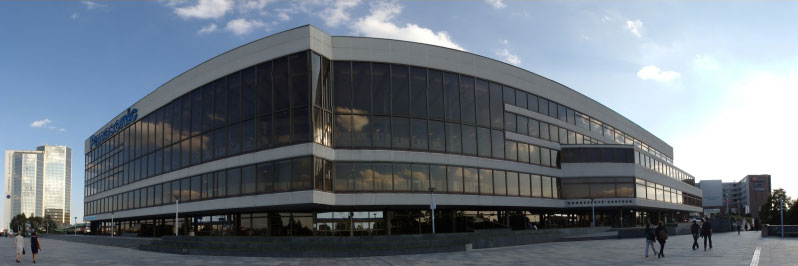
Prague Congress Centre (KCP)
5.května 65140 21 Prague 4
Czech Republic
Phone: +420 261 171 111
Website: www.kcp.cz