



Neuropsychological effects of migraine and headache disorders
Migraine and other headache disorders can affect cognition as well as cause pain. During an attack, many people report slowed thinking, poor concentration, difficulty finding words, impaired memory and fatigue. Symptoms may also appear before or after the pain, and some people experience persistent difficulties between episodes.
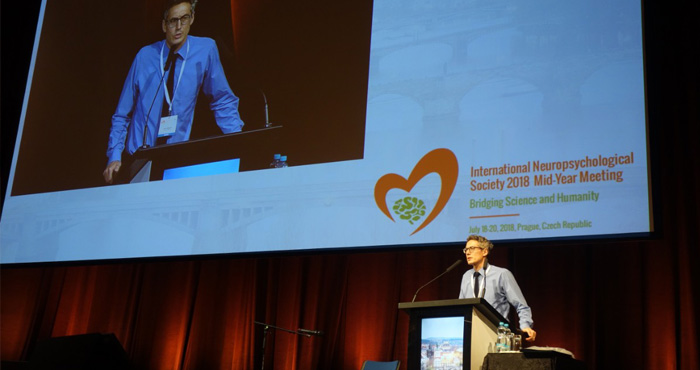
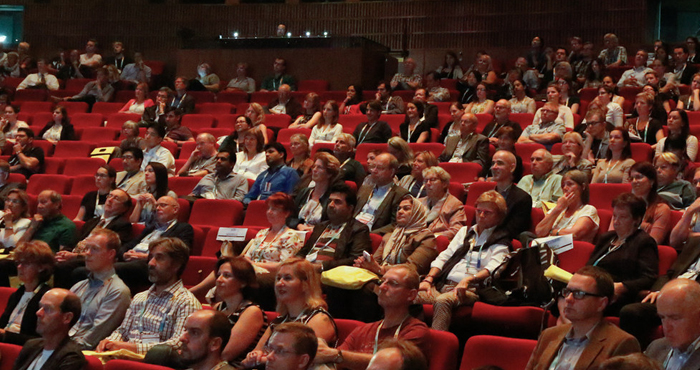
The INS 2018 meeting in Prague from 18–20 July 2018 brought together researchers and clinicians working at the boundary of neuroscience and patient care. Its programme covered assessment, cultural context, headache mechanisms and practical rehabilitation, while poster sessions and continuing education workshops showed how research evidence can enter clinical practice.
These issues carry particular weight in Australia, where headache disorders affect work, study, caregiving and family life. People in Sydney, Melbourne, Brisbane and regional centres often manage attacks while maintaining demanding schedules. Long travel distances and fragmented services can make specialist review harder, particularly for people with disabling migraine or frequent medication use.
Neuropsychological assessment can clarify whether reported memory and concentration problems reflect migraine-related fluctuations, sleep loss, anxiety, medication effects or another neurological condition. A sound evaluation combines a careful history with selective testing, treats fatigue as a factor and considers the person’s language, education, work and cultural context.
Cognitive symptoms across migraine phases
The cognitive profile of migraine can change with the headache cycle. People with aura may notice visual disturbance, difficulty speaking or altered awareness before pain develops. During the attack, attention, processing speed, verbal recall and executive functions may become less efficient, while post-dramatic symptoms can include fatigue, confusion and difficulty concentrating.
Persistent complaints should be interpreted carefully. Deficits may be modest and fluctuate, while more marked or progressive changes require investigation for conditions such as epilepsy, cerebrovascular disease or a different neurological disorder. Medication overuse, disrupted sleep, depression and anxiety can also amplify subjective cognitive impairment.
That long view is reflected in the work of the International Neuropsychological Society, whose emphasis on scientific and clinical exchange supports a humane approach. Headache treatment should acknowledge cognitive symptoms instead of treating them as incidental or dismissing them as imagined.
Building a useful clinical formulation
A neuropsychological evaluation begins with a detailed headache and medication history. Clinicians record attack frequency, duration, aura, associated symptoms, sleep, hydration, stress and analgesic use. Testing may then examine attention, learning, memory, language and executive skills, with breaks and pacing adjusted for fatigue.
Australian care commonly involves a general practitioner referral, a private neurology consultation or a public hospital outpatient service. Private appointments can shorten waiting times but may involve fees, while public pathways are generally free but may include long delays. These differences can influence whether a person receives early treatment, longitudinal review or multidisciplinary support.
Medication access also reflects the Australian market. Some preventive and acute migraine medicines are listed on the Pharmaceutical Benefits Scheme, while over-the-counter pain relievers are widely available through pharmacies. Frequent use of the latter can contribute to medication-overuse headache, making pharmacy advice and an honest account of consumption essential parts of assessment.
Culture, language and headache reporting
Pain is personal, but its expression is shaped by language, family expectations, beliefs and previous experiences with health services. Public campaigns associated with Asia Pacific Headache Week have helped place headache within wider regional health discussions. Clinicians must still avoid assuming that a culturally familiar symptom description has the same meaning for every patient.
Australia’s multicultural communities may describe migraine through different metaphors, such as visual disturbance, pressure, nausea, inability to speak or fear of another attack. Some patients prioritise functional goals, while others focus on pain intensity. An interpreter who is not a family member can support accurate history-taking without excluding relatives from decisions about care.
Environmental patterns also matter for some Australian patients. Rapid temperature changes and dry winds in Melbourne, intense humidity in Sydney, and heat or barometric shifts in Brisbane coincide with changes in attack frequency for certain people. Trigger diaries can identify these associations without implying that weather alone causes migraine.
Memory assessment in cultural context
Memory complaints deserve assessment, but scores cannot be separated from language, schooling, cultural experience, fatigue or anxiety. A newer resource on culturally responsive memory assessment offers useful principles for avoiding misleading comparisons between test results and expected performance.
For Aboriginal and Torres Strait Islander patients, cultural safety begins with listening, avoiding deficit-based assumptions and establishing how the person wants to be supported. Community knowledge, family responsibilities and preferred communication styles may affect participation. Testing should be explained carefully, with time, rest, breaks and accessible materials adjusted to individual needs.
Interpreters, bilingual practitioners and culturally informed clinicians can help distinguish a language difference from a memory impairment. When formal testing is unnecessary, detailed behavioural observation and everyday examples may provide a more valid account. The goal is to understand the person’s experience while avoiding conclusions based on unfamiliar cultural or educational practices.
From assessment to everyday recovery
Care works best when the formulation connects biological, psychological and social factors. Treatment may combine an acute plan, preventive medication, sleep support, graded activity and strategies for managing fatigue or cognitive symptoms. Physiotherapy, psychological treatment and headache education can be useful when they address the individual’s needs rather than imply that stress is the sole cause.
Recovery also extends to study and work. Australian patients may need a phased return, adjusted workloads, regular breaks or clearer guidance about managing attacks in the workplace. Clinicians can document functional effects and discuss workplace adjustments when disability support is available. The Prague meeting’s enduring value lies in this connection between careful science and practical, respectful care.
General Information
Important information about the meetingIndustry
Support and exhibition opportunitiesCzech Republic
Beautiful country situated in the very heart of EuropeContact
How can we help you?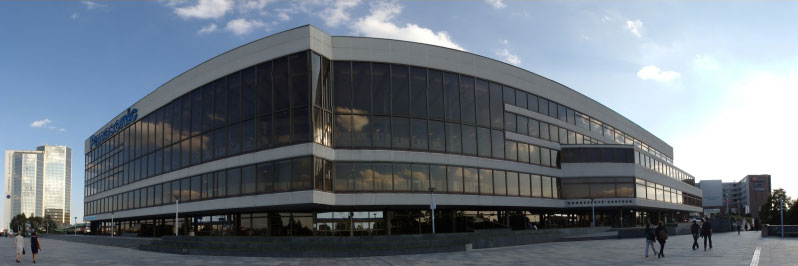
Prague Congress Centre (KCP)
5.května 65140 21 Prague 4
Czech Republic
Phone: +420 261 171 111
Website: www.kcp.cz