



Cognitive outcomes in children with hydrocephalus and shunt treatment
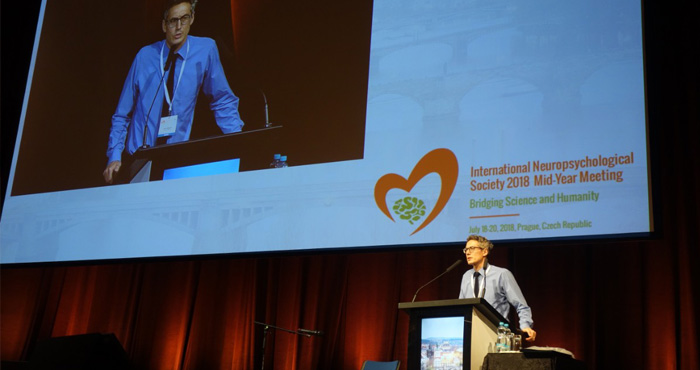
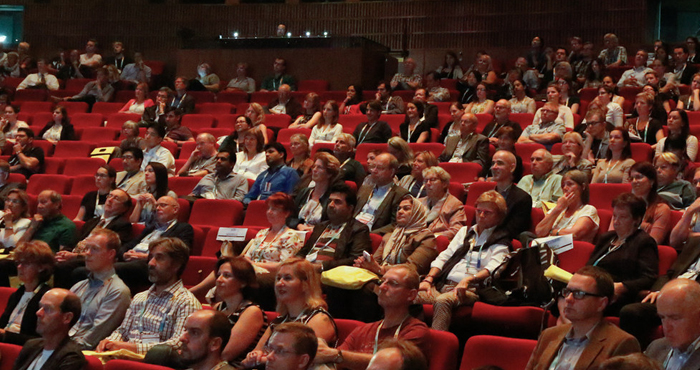
At the INS 2018 mid-year meeting in Prague, held from 18 to 20 July 2018, clinicians and researchers examined how neuroscience can support humane care. The gathering connected neuropsychological assessment with cultural context and practical clinical decisions, making childhood hydrocephalus a fitting example of why careful measurement matters.
Shunt treatment can alter the course of hydrocephalus, yet outcomes vary widely. The useful question is whether cognition “normalises” after surgery, how each child’s thinking, learning, behaviour and daily participation change over time, and what support best fits the family.
Why cognition matters after hydrocephalus
Hydrocephalus is an abnormal accumulation of cerebrospinal fluid within the brain’s ventricular system, with consequences that depend on pressure, growth and the child’s developmental stage. Stretching of periventricular white-matter pathways can affect attention, processing speed, working memory and executive control. Seizures, infection, prematurity and other injuries may add to the profile.
Enlarged ventricles alone cannot predict a child’s abilities. A useful assessment combines developmental history, observation of daily functioning, standardised neuropsychological testing and school information. Even school-age children may have subtle difficulties with memory, learning, visual-spatial processing or social cognition despite seemingly intact general intelligence.
Shunts, brain change and development
A ventriculoperitoneal shunt commonly carries cerebrospinal fluid from the ventricles to the abdomen. Its purpose is to manage hydrocephalus and protect the brain from further pressure-related injury; it does not simply remove every earlier effect on development.
The clinical course can include improvement after effective pressure control, a stable pattern around pre-existing impairment, or decline associated with shunt blockage, infection, overdrainage or another neurological event. Repeated neuropsychological assessment therefore needs medical context, age-appropriate tasks and enough time between appointments to distinguish a genuine trajectory from fatigue or temporary changes.
Assessment across the lifespan
Infants need developmental and movement measures, while preschool and school-age children require language, learning, memory, attention and executive-function assessment. Adaptive behaviour, mood, sleep and family observations are equally important because participation at school and home may reveal difficulties that a test score misses.
For Australian children, school reports can be linked to the Australian Curriculum, while NAPLAN offers population context for some reading, writing and language skills rather than a diagnosis. Vision, hearing, motor status, language background and attendance should be considered before interpreting academic data, especially for children learning in more than one language.
Longitudinal registries can make outcomes more informative by using common definitions, recording shunt events and preserving baseline data. Although the conditions differ, the need for transparent case definitions and sustained follow-up is also evident in oesophageal adenocarcinoma epidemiology, a useful reminder that multi-centre research depends on comparable methods.
Family partnership in Australian care
Families set meaningful goals, so follow-up should connect test results to learning, friendships, daily routines and the child’s own priorities. Care plans can combine school accommodations, psychological support, occupational therapy, speech therapy and strategies for fatigue, pain or anxiety.
Australian follow-up often spans public hospitals, private specialists and community providers in cities such as Sydney and Melbourne as well as regional centres. Medicare rebates, private insurance and eligibility for the National Disability Insurance Scheme can shape access, making a named care coordinator valuable for navigating assessments and services.
For Aboriginal and Torres Strait Islander children, culturally safe care should involve the child’s family and, where appropriate, local community-controlled health services. Professional interpreters and flexible assessment methods can reduce language and cultural barriers. Goals should be co-designed around the child’s community, strengths and daily world rather than imposed through a deficit model.
Translating evidence into practice
The INS 2018 site offered registration information, programme details, poster listings, continuing education workshops, venue information, public transport guidance and a photo gallery, reflecting the meeting’s effort to connect scientific advances with clinical work. Attendees with time beyond the sessions could also consult Prague break-out tours when planning informal group activities.
A practical model links neurosurgical review, periodic neuropsychological assessment, educational support and family feedback in one plan. Decisions should track scores alongside communication, adaptive behaviour and participation, with urgent medical concerns referred back to the treating team. The central lesson from Prague is that careful follow-up turns complex neuroscience into coordinated care for each child.
A concise framework can align age, setting and purpose:
| Focus | Early years | School-age years |
|---|---|---|
| Core development | Language, movement and problem-solving | Processing speed, memory and executive skills |
| Functional outcome | Communication, self-care and play | Learning, friendships and independence |
| Information sources | Caregiver interviews and early-childhood measures | Direct testing, teacher reports and curriculum records |
| Support planning | Family routines and play-based interventions | Classroom accommodations and targeted support |
General Information
Important information about the meetingIndustry
Support and exhibition opportunitiesCzech Republic
Beautiful country situated in the very heart of EuropeContact
How can we help you?
Prague Congress Centre (KCP)
5.května 65140 21 Prague 4
Czech Republic
Phone: +420 261 171 111
Website: www.kcp.cz