



Integrating Neuropsychological Feedback Into Patient and Family Counselling
Neuropsychological assessment can give patients and relatives a clearer picture of memory, attention, language, emotional regulation and executive functioning. Yet a detailed report rarely answers the practical questions that arise after an appointment: What does this mean at home? Which changes are expected? How should family members respond? Integrating Neuropsychological Feedback into Patient and Family Counseling means turning assessment results into shared understanding and useful next steps.
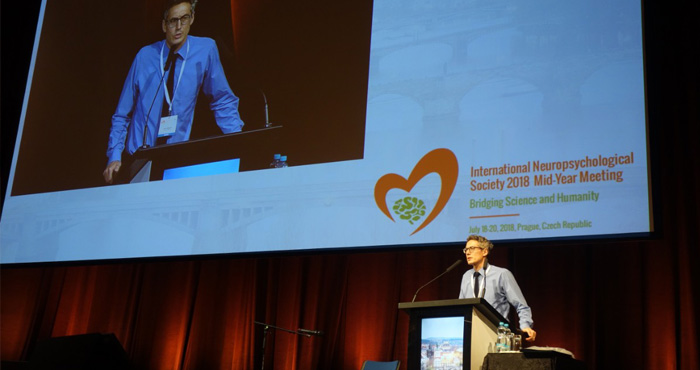
The approach fits the spirit of the INS 2018 meeting in Prague, which connected scientific progress with humane clinical care, neuroscience and cultural awareness. For Australian practitioners, the same principles apply across metropolitan hospitals, private clinics, community health services and regional or remote settings.
Make Clinical Findings Meaningful
Feedback works best when it begins with the patient’s lived experience rather than a list of test scores. A clinician might explain that slowed processing speed can make a busy supermarket overwhelming, or that reduced working memory may affect medication routines. Concrete examples help people recognise patterns without feeling labelled by a diagnosis.
Plain English matters. Australian patients may be familiar with terms such as a GP, occupational therapist or NDIS planner, but technical language still needs translation. Explaining “executive functioning” as the mental organisation required to plan, start and finish tasks can make a report less intimidating and more useful.
Balance Honesty With Emotional Safety
Receiving information about cognitive decline, acquired brain injury or developmental differences can bring grief, embarrassment or relief. Counselling should allow space for these reactions before moving into problem-solving. A patient may need time to absorb the findings, while a partner or adult child may already be focused on driving, finances or supervision.
The clinician can separate abilities from identity. A person may have difficulty recalling verbal information while retaining strong social judgement, practical knowledge or visual skills. In Parkinson’s disease, cognitive, mood and movement changes can interact in complex ways; this Parkinson’s disease overview can support a broader explanation of why symptoms vary across settings and over time.
Include Families as Partners in Care
Family feedback should be collaborative rather than a private report delivered about the patient. With consent, relatives can describe everyday functioning, identify successful routines and clarify what support is realistic. This is particularly important when insight is reduced or when the patient and family remember events differently.
Counselling can also address the invisible workload carried by carers. A spouse who manages appointments, bills and transport may need guidance on boundaries and respite, while a parent supporting an adolescent may need strategies for school communication. In Australia, referral pathways may include local area health services, carer organisations, an occupational therapist or NDIS-related supports, depending on eligibility and location.
Adapt Conversations to Australian Contexts
Access is uneven across Australia. Someone living in inner Melbourne may have several specialist services nearby, while a family in the Northern Territory, regional Queensland or Western Australia may rely on telehealth and periodic outreach clinics. Feedback sessions should account for internet reliability, travel costs, privacy at home and whether a support person can attend remotely.
Cultural safety is equally important. For Aboriginal and Torres Strait Islander patients, clinicians should avoid assuming that Western testing or family roles carry the same meaning in every community. Working with Aboriginal health workers, interpreters and local services can improve trust and reduce the risk of treating cultural or language differences as cognitive impairment.
Turn Feedback Into Everyday Action
A useful session ends with a small number of agreed actions, documented in language the patient and family can revisit. These might include using a written medication chart, reducing background noise, scheduling demanding tasks earlier in the day or asking an employer for predictable instructions. Changes should be measurable and reviewed rather than presented as permanent rules.
Work, identity and financial pressure also belong in the conversation. A diagnosis may affect commuting, safety-sensitive duties or a gradual return to employment. When families are managing changing work arrangements, a remote-work transition guide offers broader context for discussing routines, communication and boundaries, even when the patient’s workplace is outside insurance or finance.
Practical Recommendations
- Begin with the patient’s priorities, then connect test results to two or three familiar daily situations.
- Use teach-back: ask the patient or family member to explain the plan in their own words.
- Provide a brief written summary with strengths, difficulties, strategies and warning signs that warrant review.
- Include cultural, language, rural access and carer considerations before recommending services.
- Schedule follow-up feedback when symptoms, medication, employment or family responsibilities are likely to change.
Consistent feedback gives families a shared vocabulary without reducing a person to a score. It also helps allied health professionals, GPs and specialists coordinate care around abilities, risks and goals. In this form, neuropsychology becomes a practical bridge between assessment evidence and compassionate decision-making.
General Information
Important information about the meetingIndustry
Support and exhibition opportunitiesCzech Republic
Beautiful country situated in the very heart of EuropeContact
How can we help you?
Prague Congress Centre (KCP)
5.května 65140 21 Prague 4
Czech Republic
Phone: +420 261 171 111
Website: www.kcp.cz