



Neuropsychological Assessment Across Educational Contexts
Neuropsychological assessment in low-education and illiterate populations starts with a basic distinction: limited or interrupted schooling is not evidence of limited intelligence, memory, or judgement. Reading and writing may have been learned late, in another language, irregularly, or not at all, while a person retains rich practical knowledge and community responsibilities. Assessment should seek to understand present function, not treat literacy as a proxy for cognitive capacity. Learn more about 電気刺激による筋力増強の基礎.
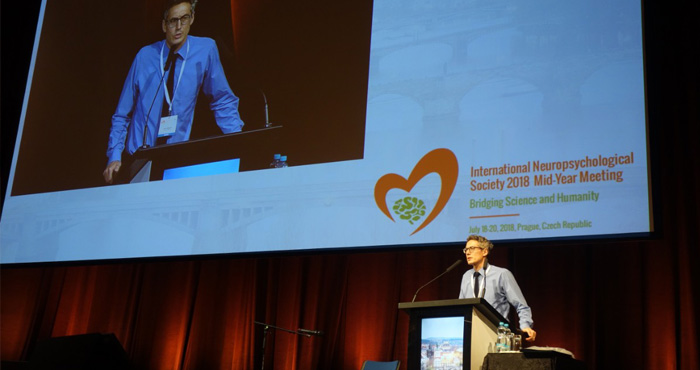
INS 2018, held in Prague from 18–20 July 2018, brought researchers and clinicians together around the need to connect scientific advances with humane care. That principle remains central: valid norms, accessible communication, cultural safety and a clear account of uncertainty determine whether an assessment is useful.
Schooling is not a proxy for cognition
Many common neuropsychological measures use print, timed tasks, or normative samples organised by years of education. A low score may reflect unfamiliar material, visual impairment, language mismatch, anxiety, fatigue, or the test’s assumptions about schooling. Clinicians should examine each score against linguistic and educational history instead of applying an education correction as a universal remedy.
The INS 2018 mid-year meeting also highlighted the practical conditions surrounding assessment. Its Hotel Panorama listing is a reminder that transport, wayfinding, a quiet room and manageable waiting times affect participation. Venue accessibility is inseparable from measurement quality: discomfort or fatigue can alter attention and effort on cognitive tasks.
Building a linguistically accessible battery
An accessible evaluation often combines a brief standardised battery with a structured interview, observations of everyday tasks, school or vocational records when available, and reports from someone who knows the person well. A bilingual clinician is preferable when available; otherwise, use a professional interpreter and translated, pilot-tested instructions rather than ad hoc help from relatives.
Tasks should not require decoding written instructions when the construct is memory, attention, or planning. Practise verbal examples, allow extra processing time, and present material in familiar sensory forms. Accessible testing remains structured: changing wording between people can weaken comparison unless every adaptation is documented.
Australian contexts and accessible service pathways
Aboriginal and Torres Strait Islander clients should not be treated as a homogeneous group. Around Alice Springs, Darwin and Arnhem Land, community obligations, preferred speakers and connections to Country may shape how and where an assessment occurs. Ask each person about language, schooling and communication preferences, and offer an Aboriginal interpreter where one is available and wanted.
Australian clinics often use first names and conversational English, so explanations should be direct, practical and free of idioms or technical labels. Plain speech is not simplified consent: each person should receive the same choices, dignity and right to pause, decline or request support.
A concise record protects interpretation while keeping the assessment manageable:
- Preferred language, literacy practices, and the context and duration of schooling
- Vision, hearing, motor status, fatigue, pain and current medication effects
- Consent provided in an accessible format, including the option of a support person
- The reason for testing, useful questions and intended recipients of the report
The Australian service market includes public and community care, Aboriginal Medical Services, Medicare-supported pathways, private insurance, self-payment and eligible NDIS arrangements. Access rules vary by location, funding and provider, so teams should verify requirements and explain likely costs early.
- Public, community or Aboriginal Medical Service pathways for eligible clients
- GP referral for Medicare-subsidised care where the provider and service qualify
- Private insurance or self-funding, with rebates and gaps checked beforehand
- An NDIS assessment request when functional needs and plan requirements are supported
Interpreting change without losing context
Interpretation should distinguish cognitive processes from the effects of language, schooling, sensory loss and limited familiarity with testing. Use appropriate normative data, acknowledge uncertainty and avoid inferring a diagnosis from one low score. Where doubt remains, additional history or another valid method may be more informative than forcing a precise label.
Serial assessment also requires measurement stability. The INS resource on Alzheimer progression markers is relevant to clinicians tracking change. Repeated scores should be interpreted alongside everyday function, informant evidence, medical review and appropriate biomarkers. A change may reflect fatigue, practice effects or the language of administration rather than rapid disease progression.
Turning test results into humane care
Not every neuroscience finding belongs in cognitive assessment. A Japanese electrical stimulation overview explains electrical muscle stimulation for strength training; it does not supply cognitive norms, diagnose dementia or replace neuropsychological testing. Keeping peripheral-fitness evidence separate from memory-assessment evidence prevents claims extending beyond established methods.
Results become clinically useful when feedback is delivered in the person’s preferred language and translated into concrete support involving family or carers only with consent. Recommendations may include occupational therapy, speech pathology, medication review, sensory assessment or coordinated primary care. The report should document adaptations, state what was and was not observed, and describe practical services near home. This framing identifies strengths and needs without reducing a person’s identity to limited literacy.
General Information
Important information about the meetingIndustry
Support and exhibition opportunitiesCzech Republic
Beautiful country situated in the very heart of EuropeContact
How can we help you?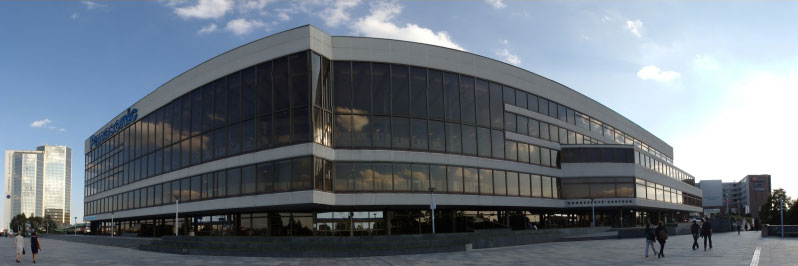
Prague Congress Centre (KCP)
5.května 65140 21 Prague 4
Czech Republic
Phone: +420 261 171 111
Website: www.kcp.cz