


Cognitive Function In Long-COVID: Assessment And Management
Long-COVID can affect attention, memory, language, processing speed and executive function long after the initial infection has resolved. For some people, “brain fog” is mild and intermittent; for others, it disrupts employment, study, driving, parenting and social participation. A sound neuropsychological approach connects measurable cognitive changes with the person’s daily experience.
The clinical task is broader than identifying a test score below average. Assessment needs to account for fatigue, sleep disturbance, pain, mood, autonomic symptoms, medications and fluctuating stamina. In Australia, this also means considering access to general practitioners, Medicare-funded services, public hospital waiting lists, private psychology and neuropsychology, and the realities of living outside major cities.
Why Cognitive Symptoms Need Careful Investigation
Cognitive complaints after COVID-19 may involve slower thinking, reduced working memory, word-finding difficulty or trouble switching between tasks. These symptoms can vary across the day, often becoming worse after physical, sensory or mental exertion. A brief appointment may therefore underestimate the person’s functional limitations.
Clinicians should distinguish acquired cognitive change from longstanding learning differences, ADHD, neurological illness, depression, anxiety, sleep apnoea and medication effects. The person’s premorbid abilities, education, occupation, language background and usual responsibilities provide essential context.
Building A Practical Assessment
A comprehensive evaluation begins with a detailed history. It should cover the timing of infection, hospitalisation, symptom progression, post-exertional malaise, headaches, dizziness, smell and taste changes, sleep, mood, work demands and the strategies already being used. Reports from a partner, family member or employer can clarify changes that are difficult to describe.
Formal testing may examine attention, processing speed, verbal and visual memory, language and executive functioning. Questionnaires about fatigue, everyday cognition and quality of life add information that a single test session cannot provide. Results are most useful when interpreted alongside real-world examples, such as losing track during a Teams meeting or forgetting steps in a familiar workplace procedure.
Making Neuropsychology Culturally Safe
Test performance can be influenced by English proficiency, cultural expectations, educational opportunity and familiarity with formal testing. An interpreter may be needed, although clinicians should recognise that translated assessment is not automatically equivalent to a normed English-language measure. Cultural humility and careful clinical observation are vital.
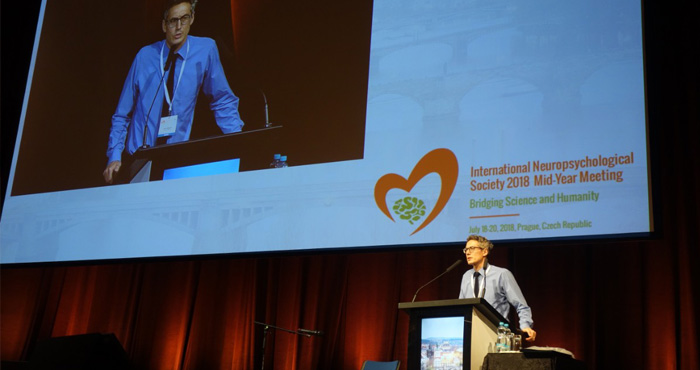
Australian services also need to consider Aboriginal and Torres Strait Islander patients, culturally diverse communities and people in rural or remote regions. Telehealth can improve access from places such as regional Queensland or Western Australia, but poor internet, limited privacy and travel for in-person testing may affect feasibility. Conference resources such as the programme tracks demonstrate how clinical practice can sit alongside neuroscience, culture and patient-centred care.
| Area | Useful approach | Clinical value |
|---|---|---|
| Attention and speed | Brief sustained-attention and processing-speed tasks | Identifies slowed performance and mental fatigue |
| Memory | Learning, delayed recall and recognition measures | Separates retrieval difficulty from poor encoding |
| Executive skills | Planning, inhibition and task-switching tasks | Relates to work organisation and safety |
| Everyday function | Patient and informant questionnaires | Shows how symptoms affect daily activities |
| Symptom pattern | Fatigue, sleep, mood and exertion monitoring | Explains fluctuation and guides pacing |
Managing Symptoms In Daily Life
Management should begin with education that validates the symptoms without implying permanent decline. People often benefit from treating sleep problems, reviewing medication, addressing pain and anxiety, and identifying the amount of activity they can tolerate without a delayed crash. A graded increase in activity should not be imposed when exertion consistently worsens symptoms.
External supports are often more effective than relying on memory alone. Calendars, phone reminders, written instructions, visual task boards, noise reduction and single-task routines can reduce cognitive load. A person returning to work may need shorter meetings, protected breaks, fewer simultaneous tasks and written follow-up after verbal instructions.
Rehabilitation And Pacing
Occupational therapists, speech pathologists, physiotherapists, psychologists and neuropsychologists may contribute different skills. Speech pathology can target word retrieval and communication strategies, while occupational therapy can analyse routines, workplace demands and energy use. Rehabilitation should be coordinated rather than delivered as disconnected appointments.
Pacing involves balancing activity and rest before symptoms escalate. A diary can record sleep, cognitive effort, physical exertion and delayed effects over the following day. This is particularly relevant for Australians managing long travel distances, hot weather, shift work or physically demanding employment.
Supporting Work, Study And Family Roles
Return-to-work planning should focus on function rather than a simple pass-or-fail cognitive result. Adjustments might include gradual hours, flexible start times, quiet workspaces, reduced customer-facing duties and extra time for complex tasks. Employers can often implement practical changes through a clear written plan and regular review.
Students may require lecture recordings, rest breaks, reduced assessment load and extensions. Families can help by reducing unnecessary decisions, keeping routines predictable and avoiding criticism when symptoms fluctuate. For people navigating Medicare, private fees or NDIS eligibility, clinicians should provide plain-language reports that connect impairments to specific support needs.
Creating A Reliable Follow-Up Pathway
Follow-up should test whether recommendations work in the person’s actual environment. Review may occur after several weeks or months, depending on symptom severity and safety concerns. Reassessment does not always require repeating a full battery; targeted measures and functional feedback may be sufficient.
Medical review remains important when symptoms change suddenly or include new neurological signs, fainting, severe headaches or progressive weakness. Clinicians should also avoid attributing every symptom to Long COVID. A balanced pathway combines medical investigation, cognitive assessment, rehabilitation and practical support, with the patient’s goals guiding each decision.
Understanding how specialists prepare patients for complex investigations can also sharpen communication around cognitive assessment; this preoperative testing guide illustrates the value of explaining why a test is recommended and how its results will influence care.
Recommendations For Australian Practice
- Use a history, functional interview and validated measures rather than relying on one screening score.
- Record delayed effects of exertion, including the following day, before recommending increased activity.
- Provide culturally responsive assessment with interpreters and suitable adjustments where required.
- Link cognitive findings to concrete workplace, education, family and transport needs.
- Review the plan regularly through the person’s GP and relevant rehabilitation professionals.
General Information
Important information about the meetingIndustry
Support and exhibition opportunitiesCzech Republic
Beautiful country situated in the very heart of EuropeContact
How can we help you?
Prague Congress Centre (KCP)
5.května 65140 21 Prague 4
Czech Republic
Phone: +420 261 171 111
Website: www.kcp.cz