



Music, Working Memory and Recovery After Brain Injury
Traumatic brain injury can disrupt attention, verbal learning, processing speed and the ability to hold information briefly while using it. Music offers a structured auditory environment that may help some people organise information, regulate arousal and practise working-memory skills during rehabilitation. Learn more about 筋電図を用いた歩行解析の基礎と応用.
Using Music to Enhance Working Memory in Traumatic Brain Injury requires careful clinical judgement. A familiar song may support motivation and recall, while a complex rhythm, loud volume or disliked genre can overload attention. The goal is a measurable therapy activity, not background entertainment.
Why Musical Cues May Help
Working memory depends on maintaining information long enough to manipulate it. Rhythm, repetition and melodic phrasing can provide external structure for tasks such as remembering instructions, sequencing steps or updating a short list. Singing a phone number, tapping a pattern or recalling lyrics may recruit auditory, language and motor systems together.
Music can also influence alertness and emotional state. A predictable playlist may help a person settle before cognitive testing, whereas stimulating music could be useful during a brief activation exercise. Clinicians should monitor fatigue, headache, irritability and sensory sensitivity, all of which are common barriers after brain injury.
Turning Sound Into Therapy
A session might begin with a preferred instrumental track, followed by a short span task. The patient could hear three words, repeat them after a rhythmic cue and then identify the item that has changed. Other activities include clapping a sequence, following alternating beats, or recalling spoken instructions delivered over a steady pulse.
The task should become harder gradually. Increase the number of items, introduce distraction, vary the tempo or ask the patient to switch between two rules. Movement data can add useful context when rhythm-based exercises involve walking; clinicians may consult gait analysis principles when considering timing, coordination and fatigue.
For Australian services, delivery may look different in a Melbourne outpatient clinic, a Sydney hospital or a small regional practice. Headphones are common during commuting and exercise, yet they may be uncomfortable for people with post-traumatic sensory sensitivity. In rural and remote areas, downloadable audio and telehealth coaching can be more practical than specialist music therapy visits.
Matching Music With The Patient
The strongest choice depends on the individual’s history, culture and injury profile. A familiar song in an Australian home may evoke useful autobiographical memories, but it may also trigger grief or distress. Ask about preferred languages, family music traditions and whether music was part of religious, sporting or community life.
| Approach | Potential benefit | Main caution | Example task |
|---|---|---|---|
| Familiar songs | Supports engagement and autobiographical recall | Lyrics may compete with verbal material | Recall selected words after a verse |
| Instrumental rhythm | Offers timing and predictable structure | Fast or irregular patterns may increase load | Tap and reproduce a beat |
| Singing or humming | Reinforces sequencing and speech fluency | Fatigue or communication impairment may limit use | Complete a familiar phrase |
| Personalised playlist | Improves relevance and participation | Emotional associations require screening | Choose music for alerting or calming |
| Silence or neutral sound | Reduces competing stimulation | May feel less motivating | Complete a baseline memory task |
Australian clinicians should also consider cultural safety, particularly when working with Aboriginal and Torres Strait Islander clients. Collaboration with the person, family and local health team is preferable to importing a generic playlist. Consent should cover recording, sharing and storing audio responses under the Privacy Act 1988, especially when sessions occur through digital platforms.
Practical Safeguards For Australian Clinicians
A concise protocol can keep music-based cognitive rehabilitation consistent across occupational therapy, speech pathology, psychology and neuropsychology teams.
- Establish a quiet baseline before adding music, using the same working-memory task for comparison.
- Let the patient control volume, track selection and stop signals wherever possible.
- Use short blocks of two to five minutes, with planned rests and symptom checks.
- Record tempo, lyrics, headphones, task difficulty and performance rather than describing music as simply “helpful”.
- Explain funding and access clearly, as NDIS plans, public rehabilitation pathways and private services may cover different supports.
In Brisbane, Perth or Adelaide, clinicians may source music through commercial streaming services, hospital libraries or family-provided recordings. Check licensing and privacy arrangements before using public playlists in a clinical programme. A low-cost approach can still be rigorous when the task, dosage and outcome measures are documented.
Measuring Progress Without Losing Humanity
Useful outcomes include digit span, spatial span, auditory attention, delayed recall, instruction-following and real-world tasks such as remembering a shopping list. Compare performance with music, neutral sound and silence when appropriate. A person may improve on a laboratory task yet remain unable to manage medication instructions, so functional observation matters.
Testing should also account for anxiety, fatigue and unfamiliar settings. Guidance on assessment anxiety can help clinicians distinguish poor memory from distress-related performance changes. Repeat measures at sensible intervals and interpret small gains alongside confidence, participation and everyday independence.
The most humane programme treats music as a flexible scaffold rather than a cure. When auditory cues reduce cognitive load, they can support practice; when they distract or unsettle, removing them is the appropriate clinical decision. Progress is strongest when the person’s preferences guide a transparent, evidence-informed plan.
General Information
Important information about the meetingIndustry
Support and exhibition opportunitiesCzech Republic
Beautiful country situated in the very heart of EuropeContact
How can we help you?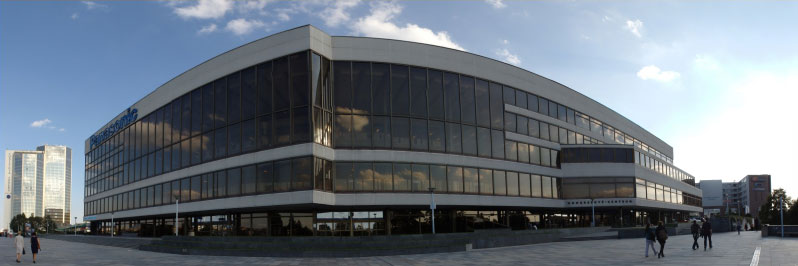
Prague Congress Centre (KCP)
5.května 65140 21 Prague 4
Czech Republic
Phone: +420 261 171 111
Website: www.kcp.cz