



Emotion and moral judgment after ventromedial prefrontal damage
Patients with damage to the ventromedial prefrontal cortex have long fascinated clinicians because their intellect, memory, and language often remain intact while their personal conduct unravels in subtle but devastating ways. Decisions that once felt obvious can be approached with detached indifference, and the reasoning that typically guides choices between honesty and convenience seems to lose its emotional weight. Learn more about リウマチ性疾患の尿路感染症のリスクと予防策.
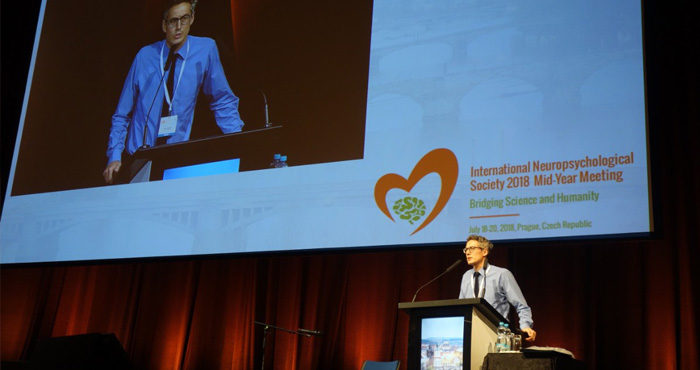
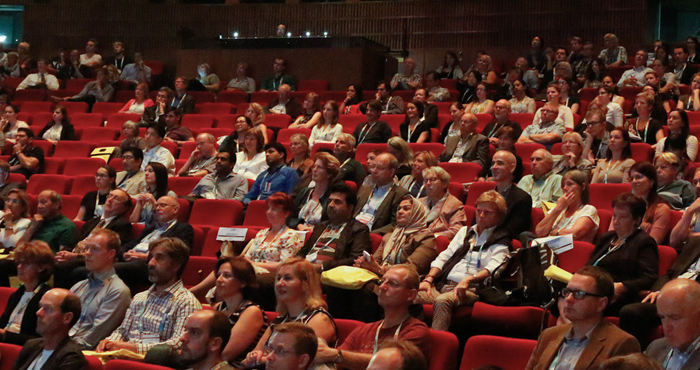
The theme resonated strongly with delegates at the International Neuropsychological Society mid-year meeting in Prague, where presenters explored how laboratory findings about social cognition translate into humane care for affected individuals. Conversations extended from lesion mapping and cognitive testing to the practical realities of supporting patients and families across different healthcare systems, including those in Australia.
The vmPFC and the architecture of moral cognition
The ventromedial prefrontal cortex sits at the intersection of cortical and subcortical circuits that link visceral states to reflective thought. Functional imaging in healthy adults shows that this region activates when people judge the permissibility of harming one person to save many, when they imagine emotional scenarios, and when they weigh fairness against self-interest.
When the vmPFC is bilaterally damaged, these integrative processes falter. Patients may still recite social rules accurately in a structured interview, yet struggle to apply them when confronted with the messy circumstances of daily life. The dissociation between declared knowledge and lived behaviour is one of the most striking findings in cognitive neuroscience, and it frames every clinical discussion about how to support recovery.
Somatic markers and the felt sense of right and wrong
The somatic marker hypothesis, developed in work originating partly in research collaborations extending across North America, Europe, and Australia, proposes that bodily responses flag options before conscious reasoning catches up. In vmPFC lesion patients, those flags are muted or absent, leaving higher-order cognition to deliberate without the guidance of feeling.
Clinicians working with traumatic brain injury survivors in Melbourne and Sydney have described similar stories. A previously warm parent may make callous remarks without noticing distress, or a respected professional may pursue ethically dubious shortcuts because the internal alarm that would once have sounded simply does not arrive. Recognising the mechanism behind these patterns helps families reframe troubling behaviour as a neurological symptom rather than a moral failure.
Emotional engagement in utilitarian and deontological judgments
Classic dilemmas such as the footbridge variant of the trolley problem reveal the role of emotion in moral choice. Healthy adults tend to refuse to push a stranger off a bridge, even when the utilitarian outcome is identical to flipping a switch that saves five lives. Lesion studies show that vmPFC damage shifts responses toward colder, outcome-based calculations.
A neurologist at Royal Melbourne Hospital noted during a recent symposium that emotional engagement, not raw intellect, predicts how patients weigh competing principles in their moral reasoning. This finding is now shaping rehabilitation programmes in Adelaide and Brisbane, where therapists use perspective-taking exercises and structured reflection to rebuild the affective scaffolding of ethical thinking.
Prague 2018 and the bridge between science and care
The Prague programme emphasised that scientific precision and compassionate care are not opposing goals but partners. Workshops explored how imaging findings inform prognosis, how cognitive rehabilitation addresses social cognition, and how families can be supported through grief when personality changes follow injury.
Delegates arriving from Australia were reminded that preparation for the trip itself matters. Many used the conference hotel booking portal to secure accommodation near the venue, allowing more time for poster sessions and clinical discussions. Practical details such as public transport passes and accessible meeting rooms were woven into the programme, reflecting a wider commitment to inclusion.
Cultural and clinical realities for Australian practitioners
Australia's universal healthcare system, Medicare, covers acute treatment for stroke and trauma but rarely funds prolonged cognitive rehabilitation. Patients often rely on the National Disability Insurance Scheme or private therapy, which means that ongoing emotional and moral rehabilitation is unevenly distributed between Adelaide, Perth, and remote communities.
Cultural diversity adds another layer. Clinicians in Parramatta, Cairns, or Hobart will encounter patients whose moral vocabularies are shaped by very different family, religious, and community traditions, and these contexts must inform how rehabilitation goals are set. Research from the Australian Catholic University and the University of Queensland has stressed the need for culturally responsive frameworks when assessing decision-making capacity.
Practical guidance for clinicians, researchers, and families
- Build assessment protocols that probe real-life scenarios, not abstract vignettes alone.
- Pair standard cognitive tests with measures of emotional recognition and emotional regulation.
- Involve family members early, since collateral reports often capture changes that office visits miss.
- Coordinate care across neurology, rehabilitation, psychology, and general medicine, recognising that infection comorbidities can worsen behavioural symptoms.
- Document cultural and linguistic background alongside lesion data when designing studies.
- Plan long-term follow-up, because vmPFC patients often improve with structure but remain vulnerable to fatigue and stress.
- Share findings across conferences and clinics so that small samples accumulate into a clearer evidence base.
General Information
Important information about the meetingIndustry
Support and exhibition opportunitiesCzech Republic
Beautiful country situated in the very heart of EuropeContact
How can we help you?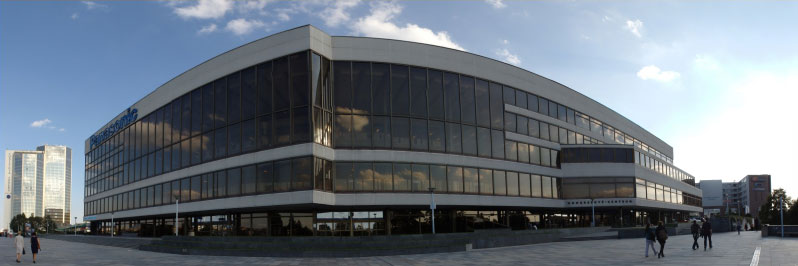
Prague Congress Centre (KCP)
5.května 65140 21 Prague 4
Czech Republic
Phone: +420 261 171 111
Website: www.kcp.cz