



Cognitive Training in Schizophrenia: Effectiveness and Transfer
People with schizophrenia often experience cognitive difficulties that disrupt daily life more than positive symptoms. Problems with working memory, processing speed, and executive function predict long-term outcomes including employment and social participation. Cognitive training has emerged as a structured intervention targeting these deficits directly. Learn more about 筋収縮の分子メカニズム アクチンとミオシンの相互作用.
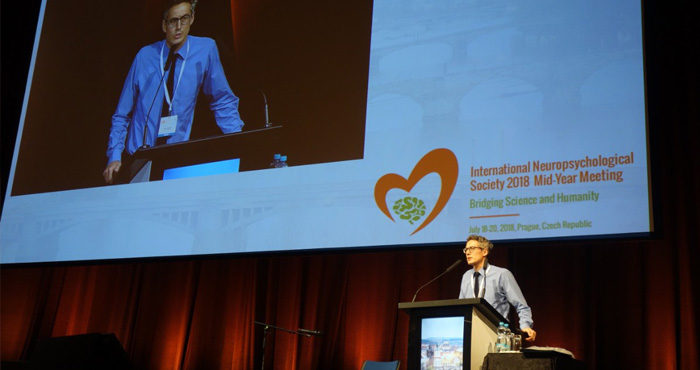
Contemporary cognitive remediation grew from early-2000s rehabilitation work, when researchers found that drill-and-practice tasks produced gains when combined with strategy coaching. International collaborations, including work shared at meetings like the INS mid-year gathering, have helped standardise outcome reporting across clinical settings.
In Australia, public funding shapes who can access these programmes. The Better Access initiative allows general practitioners to refer patients with psychotic disorders for ten rebated psychological sessions annually, while the National Disability Insurance Scheme supports longer-term psychosocial recovery. Research teams in Sydney and Melbourne have contributed to international meta-analyses.
The pivotal question for clinicians is whether gains on trained tasks generalise to daily contexts. A patient who improves on a memory exercise may or may not show better medication adherence, workplace communication, or independent travel. This question of transfer sits at the centre of effectiveness reviews.
Neurobiological Underpinnings of Training Gains
Cognitive training appears to leverage experience-dependent neuroplasticity. Functional imaging suggests that repeated practice modulates activity in frontal and temporal regions implicated in attention and verbal memory, with some studies reporting changes in white matter integrity within frontostriatal tracts. The cellular machinery behind such adaptation shares principles with other physiological processes, and basic-science resources on actin and myosin interaction illustrate that skilled practice reshapes molecular substrates over time.
Australian studies report that stable antipsychotic treatment provides a workable baseline, though training effects remain detectable regardless of medication status. Motivation, sleep, and social engagement act as upstream moderators, echoing broader lifestyle findings about how routine behaviour shapes brain health.
Comparing Training Approaches
Programmes differ in theoretical stance, delivery, and intensity:
| Approach | Delivery | Typical Dose | Primary Target | Evidence Strength |
|---|---|---|---|---|
| Drill-and-practice (computerised) | Individual | 3–5 sessions weekly, 10–20 weeks | Processing speed, working memory | Strong |
| Strategy coaching | Therapist-led | 1–2 sessions weekly, 10–30 weeks | Executive function | Strong |
| Group-based social cognition | Small groups | 12–24 sessions | Facial affect, theory of mind | Moderate |
| Integrated psychosocial | Combined with vocational support | 6–12 months | Functional skills | Moderate |
| Mobile/app-delivered | Self-directed, smartphone | Daily brief bursts | Attention, working memory | Emerging |
Hybrid models merging computerised drills with therapist-led strategy sessions are now considered the standard in many tertiary services. In Melbourne's Alfred Psychiatry service, a hybrid protocol runs alongside the Early Psychosis programme, while Sydney's local health districts often rely on nurse-led groups because of workforce constraints.
Near-Transfer and Far-Transfer Findings
Near-transfer refers to improvements on tasks resembling trained material; far-transfer describes generalisation to qualitatively different skills. Reviews consistently document near-transfer of moderate effect size, with a standardised mean difference typically between 0.3 and 0.5. Far-transfer findings are more variable.
Studies using simulated workplace tasks show small to moderate benefits, while naturalistic measures of community functioning reveal inconsistent results. Australian researchers have called for longer follow-up windows, recognising that community participation outcomes often lag behind laboratory-measured cognitive changes. Meta-analytic evidence suggests that strategy coaching amplifies far-transfer relative to drill-only programmes.
Embedding Training in Recovery-Oriented Services
Recovery-oriented care emphasises personal goals, social connection, and meaningful activity. Cognitive training fits naturally when offered as part of a broader psychosocial package rather than a standalone exercise routine. Clinicians in Brisbane and Adelaide have described weaving training tasks into appointments, using real goals such as catching public transport or managing a medication calendar.
Practical implementation requires training allied health staff to deliver programmes consistently. The Australian Psychology Board offers continued education in cognitive remediation, and several universities include relevant modules in postgraduate training. Qualitative work through Sydney's Brain and Mind Centre highlights that small, structured wins often ripple into broader life domains when families support home practice.
Future Directions and Open Questions
Personalisation is an active frontier. Machine learning is being applied to predict which patients will respond to which protocols, drawing on baseline neurocognitive profiles and biomarker data. Australian-led trials aim to match intervention intensity with patient need rather than relying on a one-size-fits-all schedule.
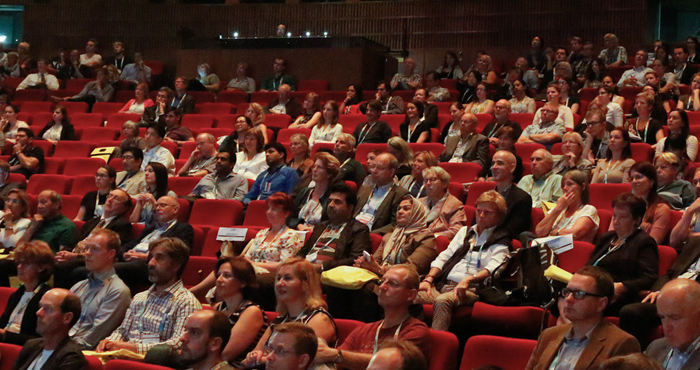
Digital delivery continues to evolve, with smartphones and passive data offering scalable alternatives, though questions remain about privacy and the therapeutic alliance. The Australian Digital Health Agency has signalled interest in integrating cognitive tools with electronic records, though regulatory pathways are still under discussion. For a visual record of recent international conversations, the conference photo gallery from the Prague meeting captures the exchanges that shaped current thinking.
General Information
Important information about the meetingIndustry
Support and exhibition opportunitiesCzech Republic
Beautiful country situated in the very heart of EuropeContact
How can we help you?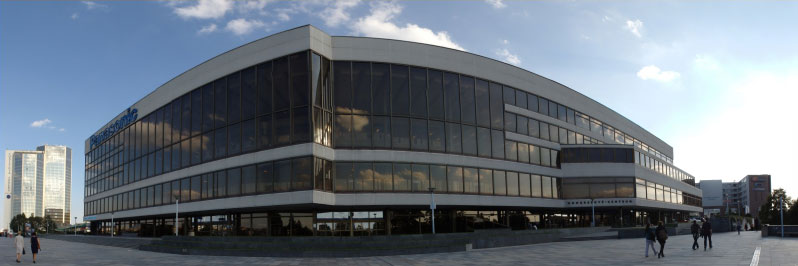
Prague Congress Centre (KCP)
5.května 65140 21 Prague 4
Czech Republic
Phone: +420 261 171 111
Website: www.kcp.cz