



Bilingualism and cognitive resilience in the aging brain
Across neighbourhoods from Parramatta to Footscray, households shift between languages mid-sentence. This everyday multilingualism has long been treated as a social skill, yet growing evidence suggests it may actively reshape the brain's resilience to age-related decline. Learn more about 筋内の血流制限と代謝性受容器.
The question of whether speaking two or more languages can delay dementia has moved from anecdote to rigorous epidemiology. With more than 300 languages spoken in Australian homes according to the census, the country offers a natural laboratory for studying lifelong language use and cognitive aging.
For practising neuropsychologists, the implications are immediate. Assessment batteries are rarely designed with multilingual patients in mind. This article reviews current evidence on bilingualism as a protective factor and what Australian clinicians should consider when interpreting test results.
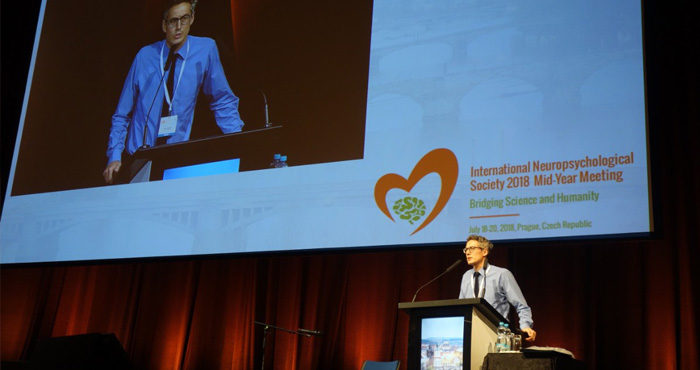
Drawing on findings presented at international meetings, the discussion considers both the promise and the caveats of this field, with the aim of translating cognitive science into guidance for clinics in Brisbane, Perth, and Adelaide. Researchers often first encounter such findings in the relaxed setting of conference welcoming receptions.
The cognitive reserve framework
The dominant explanation rests on cognitive reserve, a concept developed to account for the mismatch between brain pathology and clinical dementia. Reserve refers to the brain's capacity to recruit alternative networks when facing age-related challenge.
Speaking two languages requires continuous management of competing lexical and grammatical systems. Each time a bilingual selects one language over another, monitors for intrusions, and switches modes, executive control networks are exercised. Over decades, this low-grade cognitive activity may build a more flexible neural architecture.
Mechanisms behind the protective effect
Enhanced executive control is the most cited pathway, supported by advantages on tasks requiring inhibition, task-switching, and attention. Functional imaging has identified denser grey matter in anterior cingulate and prefrontal regions among long-term bilinguals.
Neuroplastic adaptations extend beyond the cortex. Some imaging studies suggest stronger white-matter integrity in bilingual older adults, while complementary perspectives emphasise richer social interaction as a buffer against decline. A broader consideration of lifestyle factors and cerebral perfusion can be found in this review of vascular mechanisms.
Evidence from cohort studies
One influential investigation followed 648 elderly patients in Hyderabad and found bilingual individuals developed dementia symptoms four to five years later than monolingual peers, after controlling for education and cardiovascular health.
Australian data are emerging. The Sydney Memory and Ageing Study at NeuRA has begun stratifying cognitive trajectories by language background. Researchers at the University of Melbourne have likewise highlighted the need to adjust normative data for multilingual older adults across suburbs like Clayton, Brunswick, and Cabramatta.
Languages and communities in the Australian context
Languages commonly spoken in multilingual Australian households:
- Mandarin and Cantonese, prominent in Chatswood, Hurstville, and Box Hill
- Italian and Greek, with strong intergenerational use in inner Melbourne
- Vietnamese and Arabic, established in western Sydney and parts of Adelaide
In inner-city electorates of Sydney and Melbourne, more than a third of residents report speaking a language other than English at home. Mandarin, Italian, Arabic, Cantonese, Vietnamese, and Greek remain among the most common. Standardised test norms are predominantly derived from monolingual English samples, which can misclassify bilingual patients. The Australian Psychological Society has advocated for culturally responsive assessment protocols.
Bilingualism across the lifespan
A common misconception is that bilingual benefits require immersion from birth. Studies of late bilinguals, including immigrants who acquired English after arriving in Adelaide or Perth, also display cognitive advantages, though effect sizes are smaller.
Timing and intensity of language use appear more important than age of acquisition. Researchers caution against framing bilingualism as a uniform experience; unbalanced proficiency, language attrition, and the prestige of each language all shape cognitive outcomes.
Limitations and open questions
Several meta-analyses have concluded that bilingual advantages in healthy adults are smaller than originally reported and may reflect publication bias or inadequate control for confounding variables such as immigration and education quality.
Methodological considerations when reviewing the evidence:
- Selection bias in recruiting participants through community organisations
- Confounding from education quality and socioeconomic background
- Heterogeneity in how bilingualism is defined and measured
Australian researchers face specific challenges under the framework overseen by the National Health and Medical Research Council, which requires careful recruitment in culturally diverse communities.
Implications for clinical practice and public health
For clinicians, bilingualism should be a relevant piece of cognitive history rather than a nuisance variable. Even when English proficiency is strong, the pattern of acquisition, daily use, and self-rated fluency should be documented, as these factors can influence executive function test performance.
Public health messaging can reasonably encourage continued language use as one element of a cognitively engaged lifestyle. Some groups are exploring whether gamified digital interventions, including casino-style engagement tools, can complement conventional cognitive training. Partnerships between universities, the Australian Institute of Health and Welfare, and community organisations will be essential.
General Information
Important information about the meetingIndustry
Support and exhibition opportunitiesCzech Republic
Beautiful country situated in the very heart of EuropeContact
How can we help you?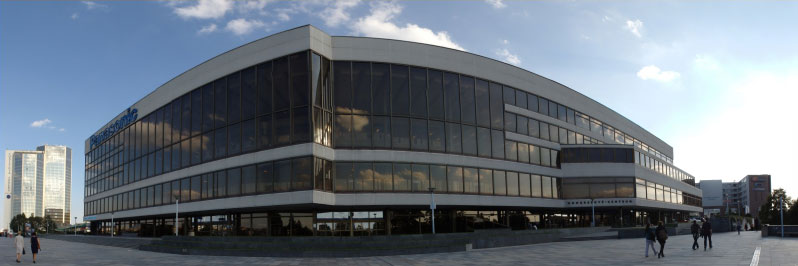
Prague Congress Centre (KCP)
5.května 65140 21 Prague 4
Czech Republic
Phone: +420 261 171 111
Website: www.kcp.cz