



Cognitive Effects of Repetitive Mild Traumatic Brain Injury in Athletes
Repetitive mild traumatic brain injury, often discussed alongside concussion, can affect attention, memory, processing speed, mood and executive function. A single event may resolve within days or weeks, yet repeated impacts can create a more complicated pattern, particularly when an athlete returns to training before symptoms have settled.
For Australian athletes, the issue reaches across AFL and NRL clubs, rugby, cricket, football, combat sports and community competitions. Understanding cumulative exposure requires careful clinical assessment rather than relying on whether an athlete appears fit, remembers the score or wants to stay on the field.
How repeated impacts affect cognition
A mild traumatic brain injury can disturb brain networks without producing a visible abnormality on routine imaging. Repeated blows may place additional stress on attention systems, working memory and the brain’s ability to regulate information efficiently. Athletes can describe this as mental fog, slower decision-making, forgetfulness or difficulty following complex instructions.
Symptoms are often subtle. A midfielder may take longer to read play, while a wicketkeeper may struggle with rapid visual decisions. In the workplace or classroom, the same person may lose track of conversations, need extra time for written tasks or become unusually fatigued after concentrating.
Cumulative exposure and recovery
The number of diagnosed concussions does not provide a complete picture of risk. Force, location and timing of impacts matter, as do sleep, stress, migraine history, mental health, learning difficulties and previous injuries. Repeated sub-concussive impacts are also being studied, although their individual and long-term effects remain difficult to measure.
Recovery is highly individual. Returning to contact training while headaches, dizziness or slowed thinking persist can prolong symptoms and make a fresh injury harder to identify. Australian sporting organisations commonly use graduated return-to-play pathways, but these work best when supervised by a qualified medical practitioner rather than treated as a box-ticking exercise.
Assessing memory, attention and behaviour
Neuropsychological assessment can compare current performance with baseline results and examine verbal learning, visual memory, reaction time, divided attention and planning. A clinician may also consider reports from family, coaches, teachers or work colleagues because athletes can underestimate changes in everyday functioning.
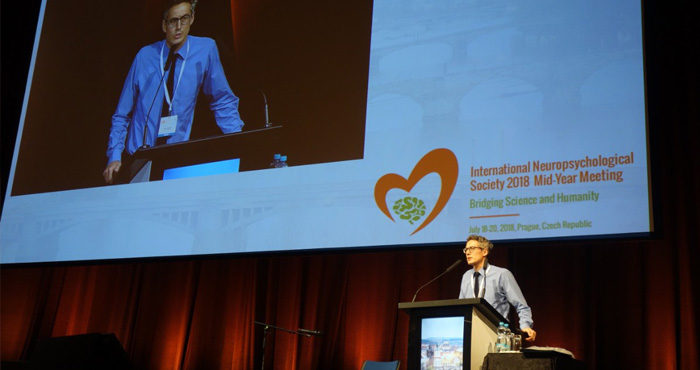
Testing should be interpreted in context. Poor sleep after an interstate match, exam pressure at a Melbourne university or anxiety about losing selection can affect performance without proving permanent brain damage. Clinical interviews, symptom tracking and repeated assessments help distinguish temporary recovery issues from persistent cognitive effects. Broader discussion of cognitive change appears in these INS 2018 findings.
Return to sport and everyday demands
A safe return involves more than being symptom-free at rest. Athletes generally progress from light aerobic work to sport-specific drills, non-contact training, full training and competition, with a step back if symptoms return. School, university and employment demands should be considered at the same time, since cognitive exertion can expose problems that are absent during a short training session.
For a young player in Brisbane or Perth, travel, heat, disrupted sleep and long tournament schedules may complicate recovery. In community AFL or rugby, access to a sports physician may be limited, making clear referral pathways through a general practitioner, local hospital or club medical team especially important.
Cultural and clinical considerations
Good care recognises that athletes communicate symptoms differently. Some fear being labelled unreliable, while others may minimise headaches or confusion because selection, scholarships and sponsorships are at stake. Clinicians should explain risks in plain language and allow time for the athlete and family to discuss work, study and sporting pressures.
Cultural safety also matters in Australia, including respectful engagement with Aboriginal and Torres Strait Islander athletes and attention to language, trust and access to services. A standardised questionnaire cannot replace a relationship-based assessment that considers the person’s community, travel demands, health history and goals.
Building safer sporting systems
Prevention includes coach education, proper tackling technique, enforcement of contact rules, appropriate protective equipment and a culture that rewards reporting symptoms. Helmets may reduce some injuries in specific sports, but they should never be presented as complete protection against concussion or repeated head impacts.
Clubs also need practical plans for transport, supervision and follow-up. When athletes travel to Sydney, Adelaide or regional competitions, arrangements should support rest and medical review rather than rushing a player back for the next fixture. For visiting teams attending conferences or clinical meetings in Prague, the Holiday Inn venue illustrates how accommodation and transport planning can support participation, although clinical decisions must remain separate from event logistics.
Long-term monitoring is valuable when symptoms persist or injuries recur. A record of incidents, recovery times, cognitive complaints and functional changes can help clinicians identify patterns and guide decisions about continued participation, modified duties or retirement from contact sport. Through consistent assessment and humane communication, research findings can be translated into safer care for athletes across Australia.
General Information
Important information about the meetingIndustry
Support and exhibition opportunitiesCzech Republic
Beautiful country situated in the very heart of EuropeContact
How can we help you?
Prague Congress Centre (KCP)
5.května 65140 21 Prague 4
Czech Republic
Phone: +420 261 171 111
Website: www.kcp.cz