




Processing Speed In HIV-Associated Neurocognitive Disorders
Processing speed is often the first cognitive function to change in people living with HIV-associated neurocognitive disorders (HAND). A person may remember information and understand a conversation, yet need extra time to read, organise a response, switch between tasks, or complete familiar work. These subtle changes can affect employment, relationships, medication routines and safe travel.
Modern HIV treatment has greatly improved life expectancy in Australia, while persistent low-level inflammation, vascular risk, depression, sleep problems and treatment history may still influence brain function. Understanding cognitive slowing requires sensitive assessment and practical support rather than assumptions about intelligence, motivation or adherence.
What Processing Speed Measures
Processing speed describes how efficiently the brain receives, interprets and responds to information. Neuropsychologists may examine timed attention, visual scanning, psychomotor speed, working memory and rapid decision-making through standardised tests. Results are interpreted alongside education, language, motor ability, fatigue, mood and the person’s usual level of functioning.
In HAND, a slower score does not automatically indicate dementia. Some people have asymptomatic neurocognitive impairment, while others experience mild or more disabling difficulties. A careful assessment compares patterns across domains and considers everyday examples, such as taking longer to follow a recipe, missing details in a fast workplace briefing or becoming overwhelmed by several instructions at once.
Assessment In Australian Services
Australian assessment may occur through a hospital HIV clinic, community health service, private neuropsychologist or specialist referral in cities such as Sydney, Melbourne, Brisbane and Perth. Access varies considerably outside metropolitan areas, where telehealth can reduce travel but cannot replace every aspect of hands-on testing. Medicare may cover some medical consultations, although comprehensive private neuropsychological assessment can involve substantial out-of-pocket costs.
Clinicians also need to account for language, culture and health literacy. Aboriginal and Torres Strait Islander patients may prefer culturally safe services and involvement of trusted supports. The Australian Privacy Act and its Australian Privacy Principles make confidentiality especially important when cognitive findings could affect employment, insurance or family relationships. Results should be explained in plain language and shared only with appropriate consent.
Everyday Effects And Compensation
A slower mental pace can make ordinary Australian routines more demanding. Long commutes on Sydney trains, Melbourne trams or Brisbane buses may require sustained attention and rapid navigation, while shift work, heat, poor sleep and irregular meals can intensify fatigue. Some people benefit from travelling outside peak periods, using phone reminders, preparing medications in a weekly organiser and completing one task before starting another.
Workplace adjustments may include written instructions, quieter work areas, additional time, scheduled breaks and fewer simultaneous demands. Driving decisions require individual clinical judgement, particularly when processing speed is combined with visual, motor or executive problems. Financial decisions also deserve care: slower responses can increase vulnerability to impulsive choices, and practical responsible gambling habits may be relevant for anyone who notices difficulty stopping or evaluating risk.
Treatment And Cognitive Rehabilitation
The foundation of care remains effective antiretroviral therapy, regular medical review and management of factors that can worsen cognition. Clinicians commonly consider sleep apnoea, cardiovascular disease, diabetes, substance use, mood symptoms, medication effects and hearing or vision problems. HIV treatment is subsidised through Australia’s Pharmaceutical Benefits Scheme, supporting continuity, although access and affordability can still differ between regions and personal circumstances.
Cognitive rehabilitation focuses on functional goals rather than trying to produce a faster test score alone. External aids, repetition, written schedules, digital alerts and structured routines can reduce mental load. Occupational therapists, speech pathologists, psychologists and HIV specialist teams may work together. The National Disability Insurance Scheme may assist eligible people with significant functional impairment, but an HIV diagnosis or mild cognitive change does not automatically qualify someone for NDIS support.
Research, Culture And Continuing Education
Research into HAND increasingly examines processing speed alongside inflammation, ageing, cardiovascular health and social determinants. Cultural context matters because test norms may not represent every Australian population, particularly people from culturally and linguistically diverse communities or remote communities. A score should therefore be interpreted as part of a broader clinical picture, not as an isolated label.
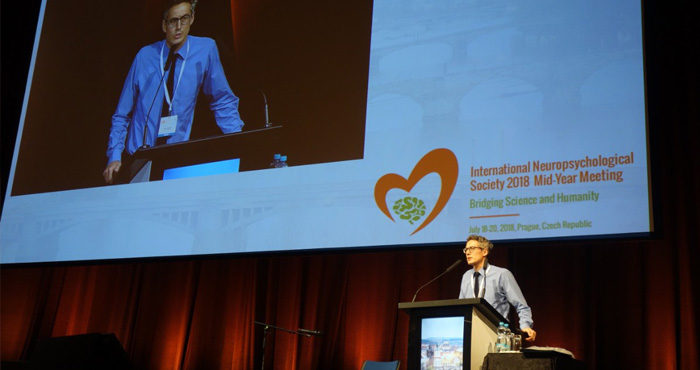
Professional meetings help clinicians connect neuroscience with humane patient care. The Prague meeting’s practical emphasis on neuropsychology, clinical work and cultural considerations remains relevant to Australian services. Readers exploring historical conference resources can review the conference accommodation information and find related professional events for broader context. Continued education can improve referral pathways, reduce stigma and promote support that respects each person’s goals, identity and daily environment.
General Information
Important information about the meetingIndustry
Support and exhibition opportunitiesCzech Republic
Beautiful country situated in the very heart of EuropeContact
How can we help you?
Prague Congress Centre (KCP)
5.května 65140 21 Prague 4
Czech Republic
Phone: +420 261 171 111
Website: www.kcp.cz