



Visual Neglect Rehabilitation After Stroke
Visual neglect is a common consequence of stroke, particularly when the right cerebral hemisphere is affected. A person may fail to notice objects, sounds or people on the left side, even though the eyes and primary visual pathways are working. This is an attention and spatial awareness disorder rather than simple blindness.
For Australian clinicians, recognising the difference matters across acute wards, rehabilitation hospitals and community care. A patient in Melbourne may leave food on one side of a plate, while someone in Brisbane may collide with doorframes or misjudge a busy footpath. Early, personalised rehabilitation can reduce falls, improve independence and support safer participation in daily life.
What Visual Neglect Looks Like
Visual-spatial neglect can affect reading, dressing, grooming, eating and mobility. A patient might shave only the right side of the face, omit words on the left of a page or ignore a family member approaching from that direction. Symptoms can fluctuate with fatigue, pain, noise and unfamiliar surroundings.
Neglect is different from a visual field cut, although both can occur after stroke. In neglect, the brain gives insufficient attention to information from one side; the person may also show reduced awareness of the problem. This distinction guides assessment and prevents staff from relying on eye examinations alone.
Assessment Beyond The Bedside
A neuropsychologist may use cancellation tasks, line bisection, drawing, reading and behavioural observation to identify spatial inattention. Functional assessment is equally important: watching a person transfer, navigate a corridor or find items in a cluttered room often reveals difficulties missed by paper tests.
Assessment should include hearing, language, memory, motor weakness and visual acuity. Acute medical factors can change performance, so findings should be reviewed over time. Interdisciplinary communication is valuable in intensive care too, where neurological signs may be obscured by sedation or respiratory illness; clinicians can consult acute asthma guidance when considering how critical illness and treatment affect participation in assessment.
Early Rehabilitation Principles
Treatment should begin when the person is medically stable and able to engage. Therapists can encourage deliberate scanning towards the neglected side, using verbal, visual or tactile prompts. A bright marker on the left edge of a page, a mirror or a strategically placed object can provide an external cue.
The aim is active reorientation rather than permanently arranging everything on the unaffected side. In early mobility, a physiotherapist may position the therapist or walking target on the neglected side while providing close supervision. Occupational therapy then links these skills to washing, meal preparation and safe movement through the home.
Practical Therapy Strategies
Visual scanning training asks patients to move the eyes and head systematically from the attended side towards the neglected side. Anchors, line guides and left-to-right search routines can support reading and table-top tasks. Prism adaptation, limb activation and optokinetic stimulation may be considered by specialist teams when appropriate.
Technology can supplement, rather than replace, meaningful practice. Tablet exercises, virtual reality and video feedback may increase repetition, but therapy should transfer to real-world tasks. A person preparing breakfast in a Sydney apartment needs practice locating a kettle, managing hot surfaces and checking the whole bench, not just completing computer games.
Daily Practice Priorities
Useful clinic and home activities include:
- Scanning shelves, wardrobes and kitchen benches
- Reading menus, medication labels and bus information
- Turning towards the affected side before standing or walking
- Using tactile and high-contrast cues during grooming
Caregivers can reinforce safe routines by:
- Allowing extra time for independent searching
- Giving concise prompts such as “look to your left”
- Reducing background clutter and competing noise
- Checking hazards without completing every task for the patient
Family Culture And Australian Care
Education should reflect family preferences, language and household routines. A multicultural family in western Sydney may value shared meals, while an older person in regional Australia may prioritise gardening, local shopping or attending a community club. These activities offer realistic goals for occupational therapy and help sustain motivation.
Australian services also operate within practical funding and legal settings. Medicare supports relevant medical care, while the NDIS may fund ongoing disability supports for eligible participants, subject to the person’s circumstances and plan. The Disability Discrimination Act 1992 supports equal access, and clinicians should consider accessible transport, communication and workplace adjustments rather than treating neglect as a personal failing.
Measuring Progress And Safety
Improvement should be measured through both standardised tests and functional outcomes. Useful indicators include fewer collisions, more complete meals, better reading accuracy, safer transfers and greater independence in community navigation. Driving requires particular caution, as Australian licensing rules vary by state and territory and often require medical reporting after stroke.
The gut-brain relationship is also relevant to broader neuropsychological practice, especially when considering cognition, mood and health behaviours during recovery; gut-brain research offers useful interdisciplinary context. However, rehabilitation decisions should remain grounded in the patient’s neurological findings and everyday function.
Comparing Rehabilitation Approaches
No single method suits every stroke survivor. The best programme combines repeated practice, environmental adaptation, caregiver coaching and review by the rehabilitation team. Progress may be slower when neglect is accompanied by aphasia, severe weakness, depression or reduced insight.
| Approach | Main purpose | Example use | Key precaution |
|---|---|---|---|
| Visual scanning | Improve deliberate search | Reading and finding objects | Avoid excessive speed |
| Prism adaptation | Shift spatial attention | Reaching and pointing tasks | Requires specialist supervision |
| Limb activation | Increase awareness of the affected side | Tapping or moving the left arm | Adapt for weakness or pain |
| Environmental cues | Make targets easier to detect | High-contrast labels and anchors | Fade cues as skills improve |
| Functional practice | Transfer gains into daily life | Cooking, dressing and walking | Monitor fatigue and falls |
Regular review helps determine whether a strategy is producing genuine functional change. The central goal is safer, more confident participation in life after stroke, with treatment adapted to the person, their culture and the environments they actually use.
General Information
Important information about the meetingIndustry
Support and exhibition opportunitiesCzech Republic
Beautiful country situated in the very heart of EuropeContact
How can we help you?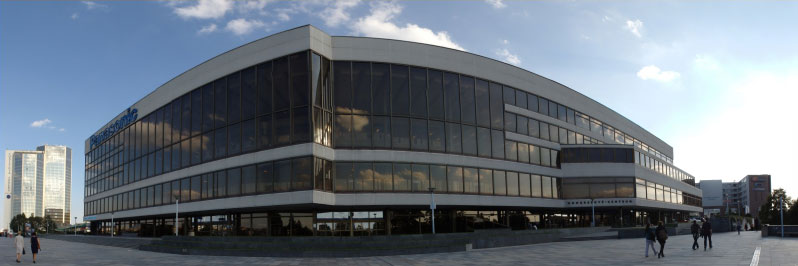
Prague Congress Centre (KCP)
5.května 65140 21 Prague 4
Czech Republic
Phone: +420 261 171 111
Website: www.kcp.cz