



How Social Isolation Shapes Cognitive Aging Across Australia
Australia's wide brown land holds a quiet paradox: communities that celebrate mateship and larrikin spirit while harbouring large numbers of older people who spend their days alone. Cognitive aging, once treated as a strictly medical story of amyloid plaques and vascular risk, is now understood through a richer lens. How often we share a meal, a conversation, or a tram ride shapes the brain as surely as cholesterol readings.
For millions of Australians in suburban Melbourne, coastal Perth, and remote parts of the Northern Territory, the rhythms of retirement often bring shrinking social networks. Spouses pass on, children move interstate for work, and the rituals that once structured the week — the Saturday AFL match, the Tuesday bowls club, the daily chat at the local bakery — quietly fall away. The result is a slow drift toward isolation that reshapes the mind as surely as it reshapes the day.
The Australian Institute of Health and Welfare suggests more than one in four people aged over 65 experience meaningful social disconnection. The Royal Commission into Aged Care Quality and Safety heard repeated evidence that loneliness accelerates cognitive decline, mental ill-health, and premature entry into residential care. These findings have reframed isolation from a soft social concern into a recognised public health priority.
The Scope of Loneliness in Older Australians
Across the country, the picture varies dramatically. In Brisbane and on the Gold Coast, retirees in large master-planned estates often know neighbours only by the colour of their recycling bins. In Adelaide, where the population skews older, suburban libraries and RSL clubs still function as informal hubs that keep people engaged. Hobart's ageing demographic faces a particular challenge: cold winters and limited public transport keep even willing participants housebound for weeks.
Country Victorians, who may drive more than an hour to see a geriatrician, appear especially vulnerable because the same distances that limit clinical contact also limit friendships. Researchers gathering to discuss these patterns often travel long distances themselves, which is why practical hotel accommodation details for conference delegates can make the difference between full attendance and a half-empty panel on rural cognitive health.
Biological and Psychological Pathways
Several mechanisms connect chronic loneliness to measurable cognitive change. Persistent loneliness elevates cortisol, disrupts sleep architecture, and raises systemic inflammation, all of which accelerate neural wear. Lonely people also exercise less, skip medication, and drift away from the balanced plate described in the Australian Dietary Guidelines.
The brain thrives on novelty, conversation, and the small challenges of navigating a busy Coles aisle or remembering a grandchild's school routine. Strip those inputs away and the neural networks tied to memory, language, and executive function lose their daily workout. Studies from the University of Melbourne and the University of Sydney suggest vocabulary and processing speed decline more rapidly in adults whose social calendars become sparse.
Daily Life and Functional Consequences
The effects show up in unglamorous places. An older woman in Parramatta may stop driving herself to the local club, forget how to cook her signature roast, then begin missing appointments because the reminder phone calls from her sister have stopped. Each loss feeds the next, eroding both competence and confidence.
Families often notice the change before the GP does. A daughter visiting from Canberra may find her father repeating himself about the cricket, or a son in Perth might find his mother's kitchen cluttered with unopened mail. Clinicians who want to sharpen their recognition of these patterns can pursue continuing education workshops on neuropsychological assessment and behavioural change in later life, building skills that translate straight into the consulting room.
Community Programs and Policy Directions
Australia has begun to respond. The Commonwealth Home Support Programme funds group outings, exercise classes, and Men's Sheds — community workshops where older men tinker, chat, and share a barbecue. Programs such as FriendLine and the University of the Third Age offer structured ways for older adults to keep learning and connecting. State-funded libraries in regional centres from Cairns to Ballarat run free tech-help sessions that turn digital literacy into a social event.
Aged Care Quality Standards now require providers to address psychological and social wellbeing alongside clinical needs. National initiatives are moving toward social prescribing, where doctors refer patients to community activities much as they once referred them to specialists. Researchers view these shifts as evidence that the country is taking the lifestyle dimensions of brain health seriously.
Clinical Practice and Lifelong Learning
For clinicians working with older adults, recognising the social roots of cognitive decline changes how a consultation unfolds. Asking about loneliness is becoming as routine as checking blood pressure, because the two so often travel together. Teams that include psychologists, social workers, and occupational therapists tend to pick up subtle functional changes earlier than time-pressured GPs working alone.
Cross-disciplinary thinking strengthens this work. Developments in diagnostic imaging may seem far removed from a memory clinic, yet a quick look at recent ultrasound staging research shows how fields outside neuroscience are refining early detection through contrast agents and standardised protocols. The same appetite for rigorous, multimodal assessment is now reshaping cognitive evaluation in older adults, from tablet-based testing to digital speech analysis. That cross-pollination, alongside structured training, gives Australian clinicians the tools to act earlier, communicate more clearly, and keep older patients engaged for longer.
General Information
Important information about the meetingIndustry
Support and exhibition opportunitiesCzech Republic
Beautiful country situated in the very heart of EuropeContact
How can we help you?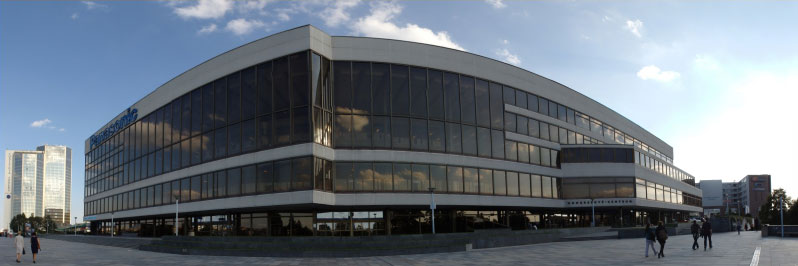
Prague Congress Centre (KCP)
5.května 65140 21 Prague 4
Czech Republic
Phone: +420 261 171 111
Website: www.kcp.cz