



Applying the Boston Naming Test Across Cultural and Language Boundaries
The Boston Naming Test has become a cornerstone instrument in neuropsychological batteries, offering a structured confrontation naming task that complements broader cognitive evaluations. Designed originally to assess word retrieval in aphasia, the test provides a quick snapshot of lexical access and semantic processing. As populations grow more linguistically varied, however, straightforward administration has become increasingly complicated. Learn more about リウマチ患者の骨折リスク評価と周術期管理.
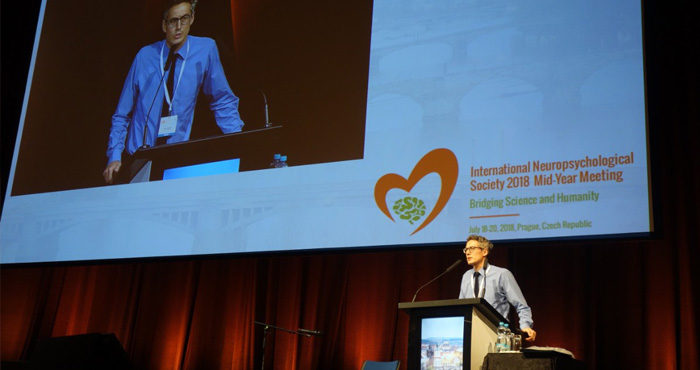
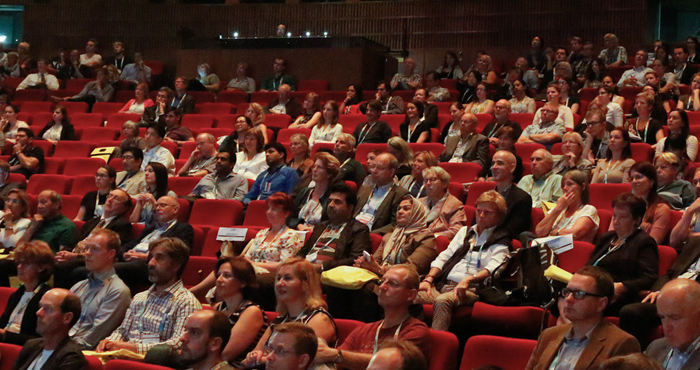
In Australia, where almost 30 percent of the population were born overseas and more than 300 languages are spoken at home, neuropsychologists in Sydney, Melbourne and Brisbane routinely encounter patients whose first language is not English. The practical implications of this diversity form a recurring theme at gatherings such as the conference organised through INS in Prague, where clinicians met to discuss bridging scientific advances with culturally responsive care.
Historical development and core structure
The original 60-item Boston Naming Test emerged from the Boston Veterans Administration Medical Centre in the late 1970s, building on work by Kaplan, Goodglass and Weintraub. Items progress from high-frequency to less common nouns, with semantic and phonemic cueing built into the protocol. Its brief administration time and sensitivity to mild retrieval difficulties have cemented its place in modern batteries.
Shorter 30-item versions are popular where thoroughness must be balanced against clinic schedules. The BNT's role in dementia screening, stroke rehabilitation and presurgical workups gives test performance real diagnostic weight, yet this familiarity can lead practitioners to overlook how culturally embedded the stimulus set really is.
Cultural and linguistic variables that affect naming
Naming depends on more than vocabulary size; it draws on exposure to specific objects, regional dialects and personal experience. Items such as pretzel, abacus or scroll carry uneven familiarity across cultures, even when English proficiency is high. When items depict objects rarely encountered by the examinee, poor performance may reflect cultural distance rather than cognitive impairment.
Translating the BNT introduces further difficulty. Direct lexical equivalents sometimes miss the picture entirely, while idiomatic objects lose semantic richness. Like structured clinical assessment approaches in other medical specialties, cross-cultural adaptation requires iterative piloting rather than word-for-word substitution.
Working with Aboriginal and Torres Strait Islander clients
Aboriginal and Torres Strait Islander peoples represent the world's oldest continuous cultures, with hundreds of distinct language groups. Many older clients have had limited exposure to standard Australian English and to the Western objects depicted in the BNT. Administering the test without acknowledging these realities risks misclassifying intact individuals as impaired, affecting healthcare access and medico-legal decisions.
Clinicians in community-controlled services in the Northern Territory, Western Australia and remote Queensland pair the BNT with culturally grounded approaches. Collaborative work with Aboriginal Health Workers, interpreters and cultural advisors can clarify whether a missed item reflects unfamiliarity or genuine retrieval difficulty.
Adapting for migrant and refugee populations
Australia's migration intake brings large communities of Mandarin, Vietnamese, Cantonese, Arabic, Hindi and Persian speakers into clinical contact. Many arrive with strong educational and occupational histories, only to be assessed with English-language tools. The BNT in English can produce deceptively low scores when item familiarity, rather than word retrieval, is the limiting factor.
Practitioners in western Sydney, inner Melbourne and bayside Brisbane often adapt their batteries by selecting culturally fair items, using bilingual examiners and supplementing with culturally neutral measures. Some teams develop local stimulus addenda drawing on objects common across many cultures, though these must then be normed on the intended population.
Normative data gaps and workarounds
The chief limitation remains the scarcity of robust normative data. Translated editions exist for Spanish, French, German, Dutch, Portuguese and several Asian languages, but each carries its own psychometric profile and is rarely comparable to the original. Australian clinicians often rely on US or British norms when no local standard exists, introducing cohort effects that may distort interpretation.
A common workaround involves comparing performance against bilingual norms where available, or interpreting scores qualitatively against educational and occupational history. Recording error types such as semantic paraphasias, perseverations and visual misperceptions adds interpretive value beyond the raw score.
Practical recommendations for daily practice
Clinicians in metropolitan and regional Australia can adopt several habits to improve fairness. Briefing interpreters about the task, pacing the test to allow cultural reflection time and asking patients whether they recognise each object before requesting its name can reduce inadvertent misclassification. Where the test forms part of medico-legal or fitness-to-drive evaluation, the rationale for any adaptation should be clearly documented.
Telehealth administration adds another layer of complexity for clients in rural communities. Screen resolution, lighting and the inability to handle physical stimulus cards often mean pivoting to selected items or digital variants. Coordination with local health services in Townsville, Cairns and Broome supports follow-up assessment in person where scores raise concerns.
Future directions and Australian training pathways
Cross-cultural neuropsychology is now recognised as a subspecialty within Australian training programmes, with workshops offered through universities in Sydney, Perth and Melbourne. Continued development of culturally validated stimuli and Australian normative data would substantially strengthen the field as the population grows older and more diverse.
Research priorities include partnering with multicultural communities to co-produce assessment materials, improving interpreter training in cognitive testing and evaluating the BNT within telehealth frameworks. The instrument remains valuable, but its responsible use depends entirely on the cultural competence of those administering it.
General Information
Important information about the meetingIndustry
Support and exhibition opportunitiesCzech Republic
Beautiful country situated in the very heart of EuropeContact
How can we help you?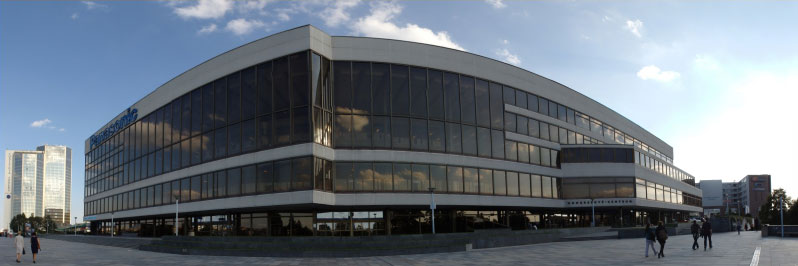
Prague Congress Centre (KCP)
5.května 65140 21 Prague 4
Czech Republic
Phone: +420 261 171 111
Website: www.kcp.cz