



Cognitive recovery after cardiac arrest
When the heart stops, the brain is starved of oxygen within seconds, and the cascade of injury that follows shapes a survivor's life far beyond the intensive care unit. Globally, survival rates for out-of-hospital cardiac arrest have crept upward thanks to rapid defibrillation, dispatcher-assisted bystander CPR, and targeted temperature management. Yet the cognitive footprint of hypoxic-ischemic brain injury often lingers for years, leaving patients, families, and clinicians grappling with questions about memory, personality, and independence.
In Australia, the picture is particularly instructive. Pre-hospital systems in Melbourne, Sydney, and Brisbane have built internationally recognised chains of survival, with Ambulance Victoria's early defibrillation program and the Australian Resuscitation Council guidelines shaping practice from Perth to Townsville. Survival to hospital discharge in some urban centres now exceeds twelve percent, meaning more Australians than ever are living with the neurological consequences of an event that, two decades ago, was almost universally fatal.
Neuropsychology sits at the centre of this recovery story. Detailed cognitive profiling helps distinguish transient post-resuscitation delirium from persistent deficits, guides rehabilitation, and informs decisions about returning to work, driving, and study. What follows explores what is known about the brain after cardiac arrest, how Australian clinicians assess and treat these patients, and where research is heading next.
The hypoxic cascade and selective vulnerability
Within four to six minutes of circulatory arrest, cerebral blood flow ceases and neuronal energy stores collapse. Glutamate excitotoxicity, calcium influx, and free-radical injury unfold over hours and days, producing damage that is rarely uniform. The hippocampus, thalami, watershed cortex, and Purkinje cells of the cerebellum are especially susceptible, which explains why memory, processing speed, and motor coordination are so often affected.
Targeted temperature management has become a cornerstone of post-arrest care in Australian intensive care units, with protocols at the Royal Melbourne Hospital, the Alfred, and Royal Prince Alfred guiding cooling for twenty-four hours. While the intervention improves mortality, it does not eliminate cognitive morbidity, and neurologists increasingly pair it with continuous electroencephalography and biomarkers such as neuron-specific enolase to refine prognostication.
Memory, attention, and executive dysfunction
The cognitive profile of survivors is often described as a dysexecutive syndrome wrapped in episodic memory loss. Patients may struggle to encode new information, lose track of conversations in noisy rooms, and find it difficult to plan a weekly menu or manage a household budget. These deficits can be masked in the first weeks of recovery by physical fatigue, sleep disturbance, and the emotional weight of near-death experience, including intrusive memories and anxiety that may meet criteria for post-traumatic stress.
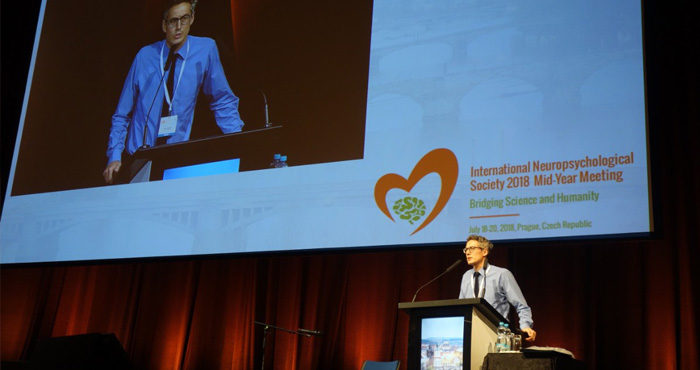
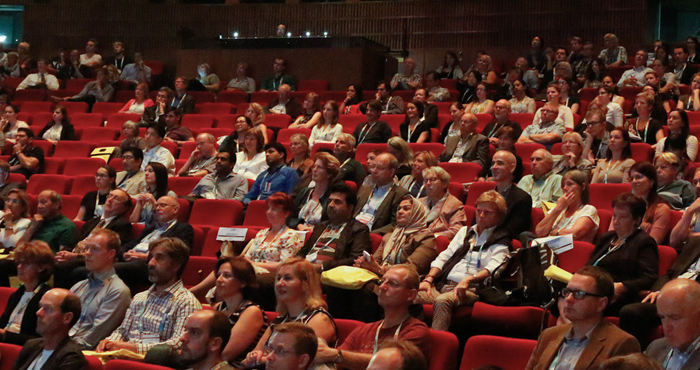
Family members frequently report personality changes as the most distressing feature, describing a loved one who is quicker to anger, less empathetic, or oddly flattened. Australian qualitative work from Monash University and the University of Queensland has shown how these changes ripple through relationships and identity, a recurring theme in survivor support groups along the east coast. International gatherings such as the INS mid-year conference in Prague have provided a forum for clinicians and researchers to share harmonised protocols for documenting these personality changes alongside traditional cognitive metrics.
Assessment in the Australian context
Neuropsychological assessment typically begins once the patient is medically stable, often two to four weeks after return of spontaneous circulation. Bedside screening with the Montreal Cognitive Assessment or the Addenbrooke's Cognitive Examination is common in acute settings, but comprehensive evaluation requires formal testing of attention, memory, language, visuospatial skills, and executive function, supplemented by questionnaires about mood and fatigue.
Distance defines the Australian health landscape, and follow-up clinics have turned to telehealth to reach survivors in regional and remote communities. Patients in Broome, Mount Isa, and the New South Wales far west can now complete video-based cognitive assessments with a local general practitioner present. This model preserves access to specialist neuropsychology without long-distance travel, a particular advantage for those still recovering physically.
Rehabilitation and long-term recovery
Cognitive rehabilitation after cardiac arrest is still an emerging field, with an evidence base thinner than for stroke or traumatic brain injury. Compensatory strategies such as external memory aids, spaced retrieval training, and metacognitive prompting form the backbone of most programs, while restorative approaches including aerobic exercise and goal management therapy are gaining traction. Australian services in Melbourne and Adelaide have begun embedding neuropsychologists within cardiac recovery teams.
Return to driving is a frequent milestone, and the Austroads medical standards require clearance from a treating specialist, often supported by neuropsychological testing. For younger survivors, return to study or work can be even more consequential, and vocational specialists collaborate with neuropsychology to negotiate graded returns. Family education remains a parallel priority, equipping partners to recognise warning signs and avoid the trap of over- or under-supporting the survivor. International meetings, including gatherings hosted at the Vyšehrad conference residence, provide a forum for clinicians to compare family education resources and align on best practice for caregivers across different health systems.
Research directions and international collaboration
Significant knowledge gaps remain, particularly around recovery beyond twelve months and the influence of pre-existing vascular risk on cognitive outcome. International collaboration is essential, and Australian researchers have begun contributing to multi-site registries and harmonised data dictionaries that will make future trials feasible.
Efforts are also underway to standardise outcome reporting, with consumer groups in Australia, Japan, and Europe advocating for core outcome sets that include cognitive function, return to work, and caregiver burden. The Asia Pacific Resuscitation forum provides opportunities to connect with colleagues working on neuroprotective pharmacology, advanced imaging biomarkers, and post-arrest quality-of-life interventions, and similar networks will be essential if harmonised outcome sets are to be adopted worldwide. Travellers to international symposia often find that conversations over a flat white in the conference foyer lead to long-term collaborations that shape future research priorities.
General Information
Important information about the meetingIndustry
Support and exhibition opportunitiesCzech Republic
Beautiful country situated in the very heart of EuropeContact
How can we help you?
Prague Congress Centre (KCP)
5.května 65140 21 Prague 4
Czech Republic
Phone: +420 261 171 111
Website: www.kcp.cz