



Memory, emotion, and the neuropsychology of trauma
Post-traumatic stress disorder sits at the intersection of disturbed autobiographical memory and dysregulated emotional response. Decades of neuroimaging work have shown that trauma exposure reshapes the hippocampal–amygdala circuit, leaving intrusive recollections to surface with the intensity of present experience. For clinicians in memory clinics, rehabilitation units, and veteran services, recognising these memory changes is the first step towards meaningful care. Learn more about 血液循環と筋代謝の相互作用.
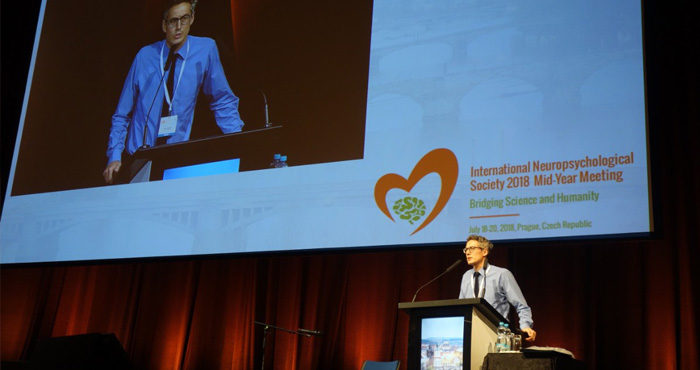
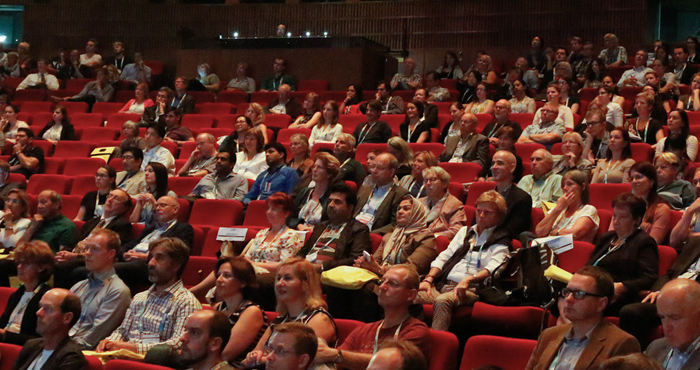
The 2018 mid-year meeting of the International Neuropsychological Society in Prague brought together researchers examining how fear conditioning, extinction learning, and emotional valence contribute to the persistence of distressing recollections. Sessions highlighted how fragmented encoding during trauma can produce a sensory-rich but temporally disorganised memory trace.
For Australian practitioners, this work is amplified by exposure to natural disasters, motor vehicle accidents, and the legacy of combat deployment. Veterans treated through the Department of Veterans' Affairs, survivors of bushfires across New South Wales and Victoria, and patients recovering after workplace injuries all present with overlapping cognitive and affective profiles.
The Prague venue offered more than a programme of talks; delegates were invited to a meeting dinner that allowed informal exchange of clinical ideas across cultures.
Hippocampal dysfunction and intrusive recollection
Neuropsychological models emphasise failure of contextual binding within the hippocampus. When a person cannot place a memory in time and place, encoded content re-emerges as flashback rather than recalled episode. Functional imaging has demonstrated reduced hippocampal volume in chronic PTSD, alongside heightened amygdala reactivity during script-driven imagery tasks.
These findings translate into bedside observations. Patients in Melbourne's trauma programs often report that smells, sounds, or weather conditions trigger overwhelming re-experiencing years after the precipitating event. Therapeutic work aims to help the brain re-tag such cues as safe, an approach that underpins trauma-focused cognitive behavioural therapy.
Emotional regulation and the fear network
The fear circuitry involving amygdala, anterior cingulate, and ventromedial prefrontal cortex supports extinction learning, the process by which a previously threatening cue loses its alarm value. In PTSD, this network shows altered connectivity, producing persistent hyperarousal and difficulty distinguishing genuine threat from benign reminder.
Australian psychologists trained in cognitive-behavioural approaches routinely work with this network through graded exposure. Medicare-funded mental health care plans and the Better Access initiative allow GPs to provide subsidised sessions, ensuring that interventions informed by extinction research reach communities from Sydney to Perth.
Assessment tools in Australian clinical practice
Standardised instruments such as the Clinician-Administered PTSD Scale, the PTSD Checklist, and the Rey Auditory Verbal Learning Test feature across Australian memory and trauma clinics. Neuropsychologists in Brisbane and Adelaide often combine these measures with effort testing and mood inventories to disentangle overlapping presentations such as mild traumatic brain injury and complex PTSD.
Cultural adaptation matters as well. Aboriginal and Torres Strait Islander clients may conceptualise distressing experiences within frameworks of spirit, country, and kinship, and practitioners in the Northern Territory have long advocated for assessment protocols that respect these realities. The Australian Psychological Society has published guidance on culturally responsive trauma care.
Treatment innovation and physical health links
Pharmacotherapy and psychotherapy remain central, but emerging evidence points to exercise, sleep regulation, and cardiovascular conditioning as adjunctive supports. Physical activity appears to modulate cortisol reactivity, promote neurogenesis, and improve sleep architecture. Some researchers have drawn parallels with the broader literature on circulation and muscle metabolism, noting that peripheral physiology and central affect regulation are rarely separable in clinical practice.
In Australia, this is reflected in veteran rehabilitation programmes that combine psychological therapy with supervised exercise physiology, often funded through the Department of Veterans' Affairs or the National Disability Insurance Scheme. Such integrated models mirror the meeting's theme of bridging science with humane care.
Research frontiers presented in Prague
Prague sessions showcased longitudinal work on traumatic memory consolidation, computational models of fear generalisation, and the role of noradrenergic dysregulation in sleep-dependent emotional processing. Several posters explored how inflammatory markers and cardiovascular reactivity shape vulnerability to lasting symptoms.
Delegates from Australian universities contributed to these conversations, with groups from Melbourne, Sydney, and Perth presenting data on disaster-affected cohorts and serving personnel. The cross-fertilisation between local clinical priorities and global research agendas is one of the meeting's enduring strengths.
Preparing the next generation of clinicians
Training pathways in Australia route through registrar programmes supervised by the Royal Australian and New Zealand College of Psychiatrists, clinical psychology doctorates accredited by AHPRA, and neuropsychology specialisation through the Australian Neuropsychological Society. Continuing professional development, including events like the Prague mid-year meeting, allows practitioners to refresh their grasp of memory and emotion models.
For early-career clinicians, the message is straightforward. Memory and emotion are tightly braided contributors to post-traumatic stress symptoms. Assessment, formulation, and treatment each gain precision when this braid is examined in full, and the clinical encounter becomes a place where rigorous neuroscience translates into steadier lives for patients and their families.
General Information
Important information about the meetingIndustry
Support and exhibition opportunitiesCzech Republic
Beautiful country situated in the very heart of EuropeContact
How can we help you?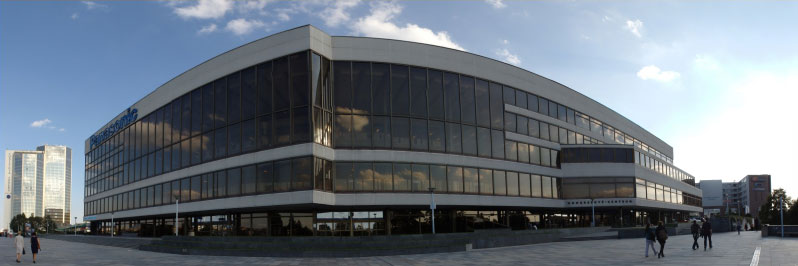
Prague Congress Centre (KCP)
5.května 65140 21 Prague 4
Czech Republic
Phone: +420 261 171 111
Website: www.kcp.cz